

Hengshui Kaishang Medical Equipment Co., Ltd.
How Electric Medical Beds Can Prevent Pressure Sores: An In-Depth Guide
How Electric Medical Beds Can Prevent Pressure Sores: An In-Depth Guide
Table of Contents
Introduction to Pressure Sores and Electric Medical Beds
Understanding Pressure Sores: Causes and Risk Factors
The Role of Electric Medical Beds in Patient Care
Key Features of Electric Medical Beds
Preventive Measures: How Electric Beds Help
Clinical Evidence Supporting Electric Bed Use
Best P
Jun 02,2026


How Electric Medical Beds Can Prevent Pressure Sores: An In-Depth Guide
Table of Contents
- Introduction to Pressure Sores and Electric Medical Beds
- Understanding Pressure Sores: Causes and Risk Factors
- The Role of Electric Medical Beds in Patient Care
- Key Features of Electric Medical Beds
- Preventive Measures: How Electric Beds Help
- Clinical Evidence Supporting Electric Bed Use
- Best Practices for Using Electric Medical Beds
- Conclusion
- Frequently Asked Questions
Introduction to Pressure Sores and Electric Medical Beds
Pressure sores, also known as bedsores or pressure ulcers, are a significant concern in healthcare, particularly for patients with limited mobility. These wounds develop when sustained pressure on the skin restricts blood flow to the area, especially over bony prominences such as the heels, sacrum, and elbows. Electric medical beds have revolutionized the approach to patient care, particularly in the prevention of pressure sores.
In this article, we will delve into how electric medical beds can effectively prevent pressure sores, exploring their features, benefits, and best practices for use in healthcare settings.
Understanding Pressure Sores: Causes and Risk Factors
Pressure sores can develop quickly, often within a few hours of sustained pressure. Several factors contribute to the development of these sores, including:
1. Immobility
Patients who are unable to move independently, such as those recovering from surgery or suffering from chronic illnesses, are at higher risk for pressure sores.
2. Skin Condition
The condition of the skin plays a critical role in the development of pressure sores. Dry, fragile skin is more susceptible to injury.
3. Nutritional Status
Malnutrition can impair skin integrity and healing, increasing the risk of pressure sore formation.
4. Moisture
Excess moisture from sweat or incontinence can weaken the skin and make it more prone to damage.
The Role of Electric Medical Beds in Patient Care
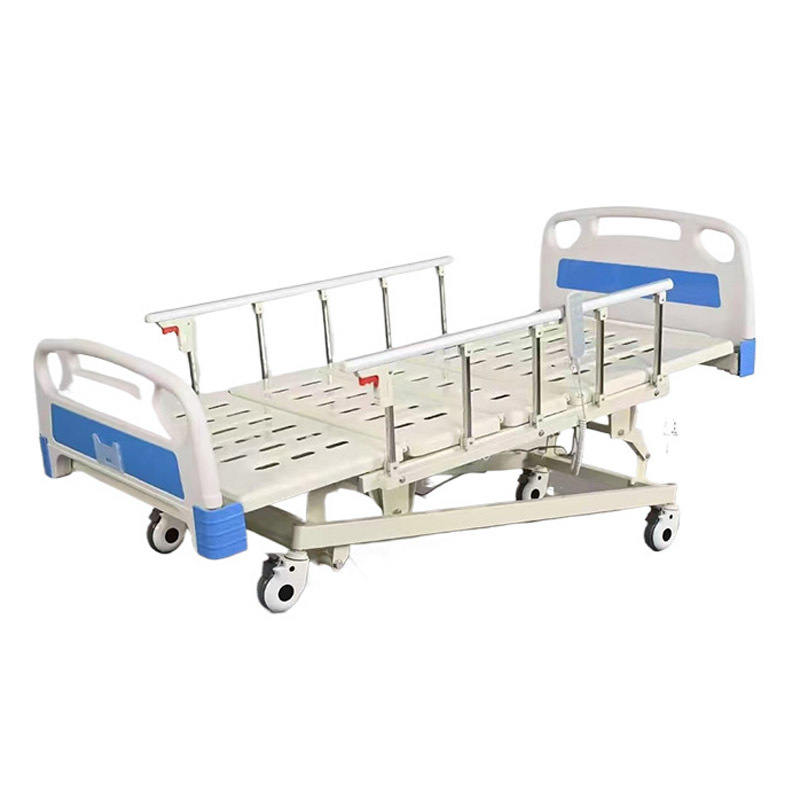
Electric medical beds are designed with advanced technology to enhance patient comfort and support optimal healthcare practices. By adjusting the position of the bed, caregivers can alleviate pressure on vulnerable areas of the patient's body, reducing the risk of pressure sore formation.
Advanced Positioning
Electric medical beds offer various positioning options, including adjustable head and foot sections, which allow caregivers to find the most comfortable and safe positions for patients. This adjustability can significantly reduce pressure on bony areas.
Ease of Use
With user-friendly controls, caregivers can easily adjust the bed’s position without straining themselves or the patient, ensuring comfort and safety.
Key Features of Electric Medical Beds
Understanding the features of electric medical beds is essential for recognizing how they contribute to pressure sore prevention.
1. Pressure Redistribution
Many electric medical beds come equipped with pressure-relieving mattresses that help distribute body weight evenly, minimizing pressure points.
2. Adjustable Heights
The ability to adjust the height of the bed allows caregivers to work at comfortable levels, reducing the risk of injury while ensuring patient safety.
3. Trendelenburg and Reverse Trendelenburg Positions
These positions help improve circulation and relieve pressure on specific body areas, contributing to overall patient comfort.
4. Integrated Safety Features
Electric medical beds often include features such as side rails and locking mechanisms to prevent falls and ensure patient safety.
Preventive Measures: How Electric Beds Help
Electric medical beds are more than just a convenience; they serve crucial functions in pressure sore prevention.
Regular Position Changes
The adjustable nature of electric medical beds allows for frequent position changes, which are vital in relieving pressure from high-risk areas.
Monitoring and Assessment
Many electric beds come with built-in monitoring systems that alert caregivers when patients need to be repositioned, ensuring consistent care.
Comfort and Mobility
By providing a comfortable surface and the option for mobility, electric beds encourage patients to shift their positions, thereby reducing the risk of pressure sores.
Clinical Evidence Supporting Electric Bed Use
Numerous studies have demonstrated the effectiveness of electric medical beds in preventing pressure sores. Research indicates that patients using electric beds with pressure-relieving features experience a lower incidence of pressure ulcers compared to those on standard beds.
Study Findings
One study published in a prominent nursing journal found that the implementation of electric beds reduced the prevalence of pressure ulcers by up to 30% in long-term care facilities. This significant reduction highlights the importance of investing in advanced bed technology for vulnerable populations.
Best Practices for Using Electric Medical Beds
To maximize the benefits of electric medical beds in preventing pressure sores, caregivers should follow best practices:
1. Regular Training for Caregivers
Ensure that all staff members are well-trained in the use of electric medical beds, including how to adjust settings for individual patient needs.
2. Develop a Turn Schedule
Create a schedule for repositioning patients, ideally every two hours, to reduce the risk of pressure sores.
3. Assess Patient Needs
Every patient is unique. Conduct regular assessments to tailor bed settings and repositioning schedules to their specific needs.
4. Maintain Skin Integrity
Regularly inspect patients' skin for signs of pressure sores and address any issues promptly.
Conclusion
Electric medical beds play a vital role in modern patient care, particularly in the prevention of pressure sores. With their advanced features and flexibility, these beds significantly reduce the risk of skin breakdown and enhance patient comfort. By incorporating best practices and utilizing the technology available, healthcare providers can greatly improve patient outcomes and ensure a higher quality of care.
Frequently Asked Questions
What are the main causes of pressure sores?
Pressure sores are primarily caused by prolonged pressure on the skin, often exacerbated by reduced mobility, poor nutrition, and moisture.
How do electric medical beds prevent pressure sores?
Electric medical beds prevent pressure sores by allowing caregivers to adjust the bed's position, redistribute pressure, and enable frequent repositioning.
Are electric medical beds suitable for home use?
Yes, electric medical beds can be beneficial in home care settings, especially for individuals with limited mobility or chronic health conditions.
What features should I look for in an electric medical bed?
Look for features such as pressure-relieving mattresses, adjustable height, ease of use, and safety features like side rails.
How often should patients be repositioned while in bed?
Patients should ideally be repositioned every two hours to minimize the risk of developing pressure sores.
By understanding the critical role electric medical beds play in preventing pressure sores, healthcare providers can enhance patient comfort and care quality, ultimately leading to better health outcomes.
TAG:


Tel/WhatsApp
E-mail: ceo@kaishangmedical.com
Phone: +86-15031821611
Add: Jizhou District, Hengshui City,Hebei Province, China
Request Quote
Get a free quote