

Hengshui Kaishang Medical Equipment Co., Ltd.
Understanding Manual Medical Beds: Essential Insights for Care Facilities
Manual medical beds are a fundamental component of healthcare settings, offering essential support for both patients and caregivers. These beds play a pivotal role in ensuring comfort, safety, and ease of use, particularly in hospitals, nursing homes, and home care environments. Understanding the features, benefits, and best practices associated with manual medical beds can greatly enhance the qua
Jun 03,2026


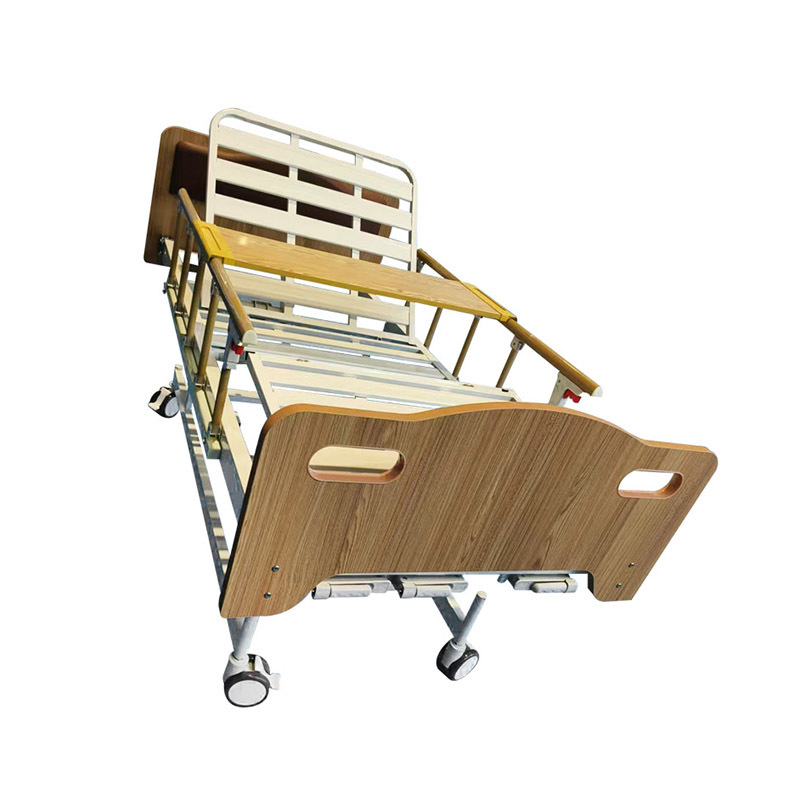
Manual medical beds are a fundamental component of healthcare settings, offering essential support for both patients and caregivers. These beds play a pivotal role in ensuring comfort, safety, and ease of use, particularly in hospitals, nursing homes, and home care environments. Understanding the features, benefits, and best practices associated with manual medical beds can greatly enhance the quality of care provided to patients.
One of the primary features of manual medical beds is their adjustable positioning. Caregivers can manually adjust the height, head, and foot sections of the bed to suit the patient's needs. This flexibility is particularly beneficial for patients with limited mobility, allowing for easier transfers in and out of bed and more comfortable resting positions. In addition, manual adjustments enable healthcare providers to create the ideal angle for various medical procedures or treatments.
The construction of manual medical beds typically includes sturdy frames and high-quality materials, ensuring durability and stability. These beds are designed to withstand the demands of daily use in busy medical environments. Many manual beds also come with lockable wheels, allowing for easy mobility while ensuring a stable position during use.
Another significant benefit of manual medical beds is their cost-effectiveness. They are generally more affordable than electric beds and have lower maintenance costs, making them a popular choice for facilities with budget constraints. Additionally, manual beds do not require electricity, which can be advantageous in areas with unreliable power sources.
When selecting a manual medical bed, it's essential to consider the specific needs of the patient population. Factors such as weight capacity, bed size, and additional features like side rails or storage options should be evaluated. Moreover, caregivers should be adequately trained in the proper techniques for adjusting and using manual beds to maximize safety and comfort for all patients.
In conclusion, manual medical beds are critical tools in the healthcare industry, providing essential support for patient care. Their adjustable features, sturdy construction, and cost-effectiveness make them a viable option for various medical environments. By understanding the importance of these beds and selecting the right model, healthcare facilities can enhance the quality of care and improve patient outcomes.
One of the primary features of manual medical beds is their adjustable positioning. Caregivers can manually adjust the height, head, and foot sections of the bed to suit the patient's needs. This flexibility is particularly beneficial for patients with limited mobility, allowing for easier transfers in and out of bed and more comfortable resting positions. In addition, manual adjustments enable healthcare providers to create the ideal angle for various medical procedures or treatments.
The construction of manual medical beds typically includes sturdy frames and high-quality materials, ensuring durability and stability. These beds are designed to withstand the demands of daily use in busy medical environments. Many manual beds also come with lockable wheels, allowing for easy mobility while ensuring a stable position during use.
Another significant benefit of manual medical beds is their cost-effectiveness. They are generally more affordable than electric beds and have lower maintenance costs, making them a popular choice for facilities with budget constraints. Additionally, manual beds do not require electricity, which can be advantageous in areas with unreliable power sources.
When selecting a manual medical bed, it's essential to consider the specific needs of the patient population. Factors such as weight capacity, bed size, and additional features like side rails or storage options should be evaluated. Moreover, caregivers should be adequately trained in the proper techniques for adjusting and using manual beds to maximize safety and comfort for all patients.
In conclusion, manual medical beds are critical tools in the healthcare industry, providing essential support for patient care. Their adjustable features, sturdy construction, and cost-effectiveness make them a viable option for various medical environments. By understanding the importance of these beds and selecting the right model, healthcare facilities can enhance the quality of care and improve patient outcomes.
TAG:
PREVIOUS:


Tel/WhatsApp
E-mail: ceo@kaishangmedical.com
Phone: +86-15031821611
Add: Jizhou District, Hengshui City,Hebei Province, China
Request Quote
Get a free quote