

Hengshui Kaishang Medical Equipment Co., Ltd.
The Essential Guide to Manual Wheelchairs: Empowering Mobility and Independence
Manual wheelchairs are an essential mobility aid for individuals with varying degrees of mobility impairment. Unlike power wheelchairs, which rely on an electric motor, manual wheelchairs are propelled by the user or an attendant. This design not only fosters independence but also offers numerous benefits that cater to different user needs.
One of the main advantages of manual wheelchairs is their
Jun 01,2026


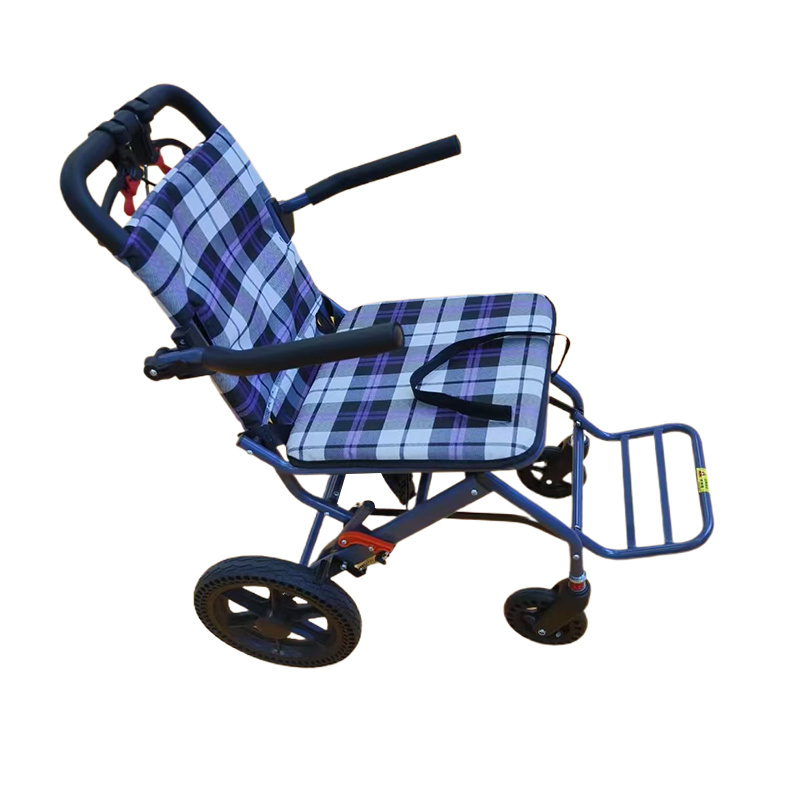
Manual wheelchairs are an essential mobility aid for individuals with varying degrees of mobility impairment. Unlike power wheelchairs, which rely on an electric motor, manual wheelchairs are propelled by the user or an attendant. This design not only fosters independence but also offers numerous benefits that cater to different user needs.
One of the main advantages of manual wheelchairs is their lightweight nature. Most models are constructed from durable materials such as aluminum or carbon fiber, making them easier to maneuver and transport. This aspect is particularly vital for caregivers who may need to lift or store the wheelchair frequently. Additionally, the simplicity of a manual wheelchair means that it requires less maintenance compared to powered alternatives. Users can save on battery costs and reduce the likelihood of technical malfunctions, leading to a more dependable mobility solution.
Moreover, manual wheelchairs encourage physical activity. Users engage their upper body strength to propel themselves, which can help maintain muscle tone and improve cardiovascular health. Regular use of a manual wheelchair can promote an active lifestyle, which is crucial for overall well-being. Physical activity is not only beneficial for physical health but also enhances mental health by providing a sense of accomplishment and independence.
When selecting a manual wheelchair, several factors must be considered. Firstly, fit and comfort are paramount. Ensuring that the wheelchair is tailored to the user's body dimensions can greatly enhance comfort and functionality. Features such as adjustable footrests, armrests, and seat depth should be taken into account to accommodate individual needs. Additionally, users should consider the type of wheels and tires, as these can significantly affect the wheelchair's maneuverability on different terrains.
Another critical feature is the folding mechanism. Many manual wheelchairs are designed to fold easily, making them convenient for transport in vehicles or storage in small spaces. It's essential to assess the folding mechanism for ease of use, particularly for caregivers who may assist with transport.
Lastly, the availability of accessories, such as storage bags, cup holders, and back support, can further enhance the functionality of a manual wheelchair. Users should evaluate how these additions can meet their specific lifestyle needs, ensuring that the wheelchair not only serves as a mobility aid but also supports daily activities.
In conclusion, manual wheelchairs are a vital resource that fosters independence and mobility for many individuals with physical challenges. By understanding the features, benefits, and selection criteria, users can make informed decisions that align with their lifestyle and mobility requirements. Embracing the right manual wheelchair can significantly enhance quality of life, providing the freedom to navigate the world confidently.
One of the main advantages of manual wheelchairs is their lightweight nature. Most models are constructed from durable materials such as aluminum or carbon fiber, making them easier to maneuver and transport. This aspect is particularly vital for caregivers who may need to lift or store the wheelchair frequently. Additionally, the simplicity of a manual wheelchair means that it requires less maintenance compared to powered alternatives. Users can save on battery costs and reduce the likelihood of technical malfunctions, leading to a more dependable mobility solution.
Moreover, manual wheelchairs encourage physical activity. Users engage their upper body strength to propel themselves, which can help maintain muscle tone and improve cardiovascular health. Regular use of a manual wheelchair can promote an active lifestyle, which is crucial for overall well-being. Physical activity is not only beneficial for physical health but also enhances mental health by providing a sense of accomplishment and independence.
When selecting a manual wheelchair, several factors must be considered. Firstly, fit and comfort are paramount. Ensuring that the wheelchair is tailored to the user's body dimensions can greatly enhance comfort and functionality. Features such as adjustable footrests, armrests, and seat depth should be taken into account to accommodate individual needs. Additionally, users should consider the type of wheels and tires, as these can significantly affect the wheelchair's maneuverability on different terrains.
Another critical feature is the folding mechanism. Many manual wheelchairs are designed to fold easily, making them convenient for transport in vehicles or storage in small spaces. It's essential to assess the folding mechanism for ease of use, particularly for caregivers who may assist with transport.
Lastly, the availability of accessories, such as storage bags, cup holders, and back support, can further enhance the functionality of a manual wheelchair. Users should evaluate how these additions can meet their specific lifestyle needs, ensuring that the wheelchair not only serves as a mobility aid but also supports daily activities.
In conclusion, manual wheelchairs are a vital resource that fosters independence and mobility for many individuals with physical challenges. By understanding the features, benefits, and selection criteria, users can make informed decisions that align with their lifestyle and mobility requirements. Embracing the right manual wheelchair can significantly enhance quality of life, providing the freedom to navigate the world confidently.
TAG:


Tel/WhatsApp
E-mail: ceo@kaishangmedical.com
Phone: +86-15031821611
Add: Jizhou District, Hengshui City,Hebei Province, China
Request Quote
Get a free quote