

Hengshui Kaishang Medical Equipment Co., Ltd.
How Electric Medical Beds Enhance Nursing Efficiency in Hospital Wards
How Electric Medical Beds Enhance Nursing Efficiency in Hospital Wards
Table of Contents
1. Introduction to Electric Medical Beds
2. Understanding Electric Medical Beds
3. Key Benefits of Electric Medical Beds in Nursing
3.1 Improved Patient Care and Comfort
3.2 Reduced Nurse Fatigue and Strain
3.3 Efficiency in Care Processes
Mar 31,2026


How Electric Medical Beds Enhance Nursing Efficiency in Hospital Wards
Table of Contents
- 1. Introduction to Electric Medical Beds
- 2. Understanding Electric Medical Beds
- 3. Key Benefits of Electric Medical Beds in Nursing
- 3.1 Improved Patient Care and Comfort
- 3.2 Reduced Nurse Fatigue and Strain
- 3.3 Efficiency in Care Processes
- 4. Notable Features of Electric Medical Beds
- 5. Case Studies: Real-World Impact
- 6. Future Innovations in Electric Medical Beds
- 7. Challenges of Implementing Electric Medical Beds
- 8. Conclusion
- 9. Frequently Asked Questions (FAQs)
1. Introduction to Electric Medical Beds
Electric medical beds have become an essential component of modern healthcare, particularly within hospital wards. These beds are designed to enhance the experience of both patients and healthcare providers. By integrating advanced technology into patient care, electric medical beds not only improve comfort but also significantly increase the efficiency of nursing staff. This article explores the multifaceted advantages that electric medical beds provide in enhancing nursing efficiency in hospital wards.
2. Understanding Electric Medical Beds
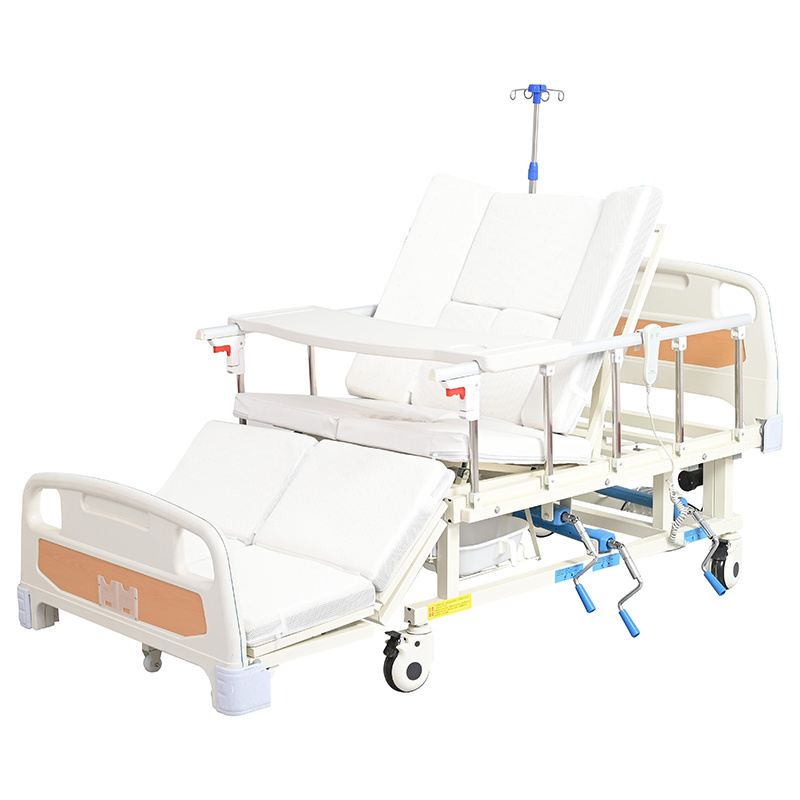
Electric medical beds are specialized hospital beds equipped with electric motors that allow for easy adjustments in height, head, and foot positions. Unlike traditional manual beds, these electric options offer a greater range of motion and control.
Nurses and caregivers can adjust the bed settings with the push of a button, which facilitates a smoother and more agile patient care process. The design of these beds also takes into consideration ergonomic principles, addressing the physical demands placed upon nursing staff during care activities.
3. Key Benefits of Electric Medical Beds in Nursing
Electric medical beds provide numerous benefits that contribute to improved nursing efficiency. The following sections delve into specific advantages that facilitate a better working environment for healthcare professionals.
3.1 Improved Patient Care and Comfort
One of the primary benefits of electric medical beds is their ability to enhance patient comfort. Beds that can be easily adjusted allow patients to find their preferred position without putting additional strain on nursing staff. This improvement in comfort leads to reduced anxiety and pain for patients, which is crucial for their healing process.
Moreover, the ability to make quick adjustments helps in accommodating various medical procedures and examinations. For instance, repositioning a patient for an X-ray becomes simpler and quicker, allowing for more efficient use of time in busy wards.
3.2 Reduced Nurse Fatigue and Strain
Nursing is physically demanding, often requiring staff to lift and reposition patients multiple times per shift. Electric medical beds significantly reduce the physical strain on nurses by enabling them to adjust bed heights and angles with minimal effort.
This reduction in manual handling not only decreases the risk of injury for healthcare providers but also improves job satisfaction and retention rates. Healthcare facilities that prioritize nurse well-being through ergonomic equipment often see a marked increase in efficiency and employee morale.
3.3 Efficiency in Care Processes
The automation of bed adjustments streamlines various care processes. Nurses can quickly set up beds for procedures, adjust the height for easier access, and modify positions for comfort without needing assistance. This efficiency translates to more time spent on direct patient care rather than on logistical adjustments.
Additionally, electric beds often integrate features like built-in scales or monitoring systems, which further enhance the ability to provide timely and accurate care. By eliminating unnecessary steps, nurses can focus on what matters most: patient health and recovery.
4. Notable Features of Electric Medical Beds
Modern electric medical beds come with a range of features designed to optimize nursing efficiency:
- **Adjustable Heights:** Allowing for easy access and improved ergonomics.
- **Side Rails:** Enhancing patient safety and reducing fall risks.
- **Integrated Technologies:** Monitoring systems for tracking patient vitals directly from the bed.
- **Mattress Options:** Specialized mattresses that cater to pressure relief and comfort.
These features contribute to a holistic approach to patient care, ensuring that both comfort and safety are prioritized.
5. Case Studies: Real-World Impact
Several healthcare facilities have reported significant improvements in nursing efficiency following the introduction of electric medical beds. For instance, a study conducted in a large metropolitan hospital revealed:
- A **30% reduction** in time spent repositioning patients.
- Decreased incident reports related to nurse injuries.
- Improved patient satisfaction scores, linked directly to comfort levels.
Such data underscores the profound impact electric medical beds can have on both staff and patient experiences.
6. Future Innovations in Electric Medical Beds
As technology continues to evolve, so do the capabilities of electric medical beds. Future innovations may include:
- **Smart Bed Technology:** Incorporating artificial intelligence to monitor patient conditions and alert nurses to changes.
- **Telehealth Features:** Allowing remote monitoring and consultations directly from the hospital bed.
- **Automated Adjustment Systems:** Utilizing sensors to automatically adjust bed positions based on patient needs.
These advancements will undoubtedly enhance nursing efficiency and patient care, paving the way for a more integrated healthcare system.
7. Challenges of Implementing Electric Medical Beds
While the benefits are substantial, the implementation of electric medical beds does come with challenges. These include:
- **Initial Costs:** The upfront investment can be significant for healthcare facilities.
- **Training Needs:** Staff may require training to utilize advanced features effectively.
- **Maintenance:** Regular upkeep is necessary to ensure reliability and safety.
Addressing these challenges is crucial to maximizing the effectiveness of electric medical beds and ensuring a smooth transition for staff and patients alike.
8. Conclusion
Electric medical beds are revolutionizing the landscape of nursing within hospital wards. By improving patient care, reducing nurse fatigue, and increasing overall efficiency, these beds are not just a luxury but a necessity in modern healthcare. As technology advances, we expect to see even greater enhancements that will further optimize nursing practices and patient outcomes. Embracing electric medical beds may well be the key to a more efficient, compassionate, and effective healthcare system.
9. Frequently Asked Questions (FAQs)
1. What are electric medical beds?
Electric medical beds are specialized hospital beds that can be adjusted electronically, allowing for enhanced patient comfort and easier access for nursing staff.
2. How do electric medical beds improve nursing efficiency?
By enabling quick adjustments to bed positions, electric medical beds reduce the physical strain on nurses, streamline care processes, and enhance patient comfort, leading to better overall efficiency.
3. Are electric medical beds safe for patients?
Yes, electric medical beds are designed with safety features such as side rails and locking mechanisms, minimizing risks of falls and injuries for patients.
4. What are some common features of electric medical beds?
Common features include adjustable heights, built-in scales, side rails, and compatibility with various mattress types for optimal comfort and pressure relief.
5. How can healthcare facilities manage the costs of electric medical beds?
Facilities can explore financing options, prioritize purchasing for high-need areas, and consider the long-term savings associated with increased nursing efficiency and patient satisfaction.
TAG:


Tel/WhatsApp
E-mail: ceo@kaishangmedical.com
Phone: +86-15031821611
Add: Jizhou District, Hengshui City,Hebei Province, China
Request Quote
Get a free quote