

Hengshui Kaishang Medical Equipment Co., Ltd.
The Essential Guide to Manual Medical Beds for Enhanced Patient Care
In the realm of healthcare, the choice of equipment significantly impacts patient care. One crucial piece of equipment is the manual medical bed, specifically designed for patient comfort and ease of use for caregivers. These beds play an integral role in various healthcare settings, including hospitals, nursing homes, and home care environments, where they contribute to enhancing the quality of p
Apr 01,2026


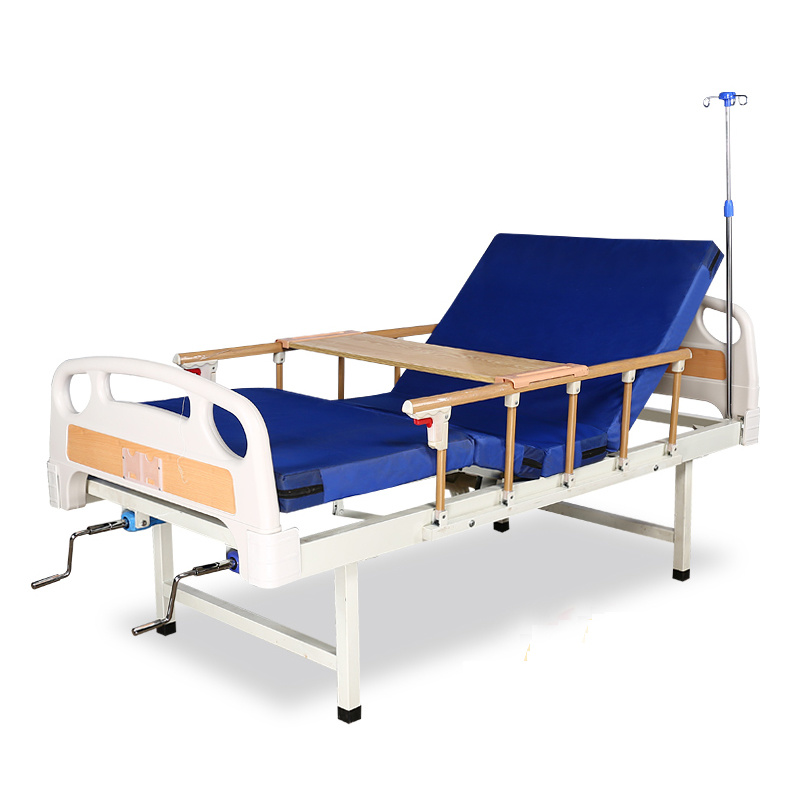
In the realm of healthcare, the choice of equipment significantly impacts patient care. One crucial piece of equipment is the manual medical bed, specifically designed for patient comfort and ease of use for caregivers. These beds play an integral role in various healthcare settings, including hospitals, nursing homes, and home care environments, where they contribute to enhancing the quality of patient care.
Manual medical beds are equipped with adjustable features that allow caregivers to modify the bed's height and positioning without the need for electricity. This characteristic is particularly beneficial in areas where power supply may be inconsistent, ensuring that patient care remains uninterrupted. Caregivers can easily elevate the head or foot of the bed, providing patients with the comfort they need, whether they are eating, reading, or resting.
From a caregiver’s perspective, manual medical beds offer a practical solution. The simplicity of operation reduces the risk of mechanical failure and minimizes maintenance issues, which are critical in a fast-paced healthcare environment. These beds can be adjusted with minimal effort, enabling caregivers to focus on providing quality care without being hindered by complex machinery.
Moreover, manual medical beds are designed with patient safety in mind. Many models come with side rails to prevent falls, which is particularly important for patients with limited mobility. The sturdy construction of these beds ensures durability, accommodating various patient weights and sizes, thus catering to a diverse patient population.
Another advantage of manual medical beds is their cost-effectiveness. Compared to their electric counterparts, manual beds typically have lower upfront costs and require less ongoing maintenance. This makes them an ideal option for healthcare facilities working within budget constraints while still prioritizing patient comfort and care.
It is also worth noting that manual medical beds can be easily transported and relocated within healthcare facilities. Their lightweight design allows for flexibility in room arrangements, which is essential during patient transfers or when adapting spaces for different care needs.
When selecting a manual medical bed, it is crucial to consider factors such as adjustability options, safety features, and the overall design tailored to meet the specific needs of patients and caregivers. Engaging with healthcare professionals and conducting thorough research can lead to informed decisions that optimize patient care and enhance the working environment for caregivers.
In conclusion, manual medical beds are an invaluable asset in patient care. Their ease of use, safety features, and cost-effectiveness make them a preferred choice for many healthcare providers. By investing in high-quality manual medical beds, healthcare facilities can significantly improve patient comfort and caregiving efficiency, ultimately leading to better health outcomes.
Manual medical beds are equipped with adjustable features that allow caregivers to modify the bed's height and positioning without the need for electricity. This characteristic is particularly beneficial in areas where power supply may be inconsistent, ensuring that patient care remains uninterrupted. Caregivers can easily elevate the head or foot of the bed, providing patients with the comfort they need, whether they are eating, reading, or resting.
From a caregiver’s perspective, manual medical beds offer a practical solution. The simplicity of operation reduces the risk of mechanical failure and minimizes maintenance issues, which are critical in a fast-paced healthcare environment. These beds can be adjusted with minimal effort, enabling caregivers to focus on providing quality care without being hindered by complex machinery.
Moreover, manual medical beds are designed with patient safety in mind. Many models come with side rails to prevent falls, which is particularly important for patients with limited mobility. The sturdy construction of these beds ensures durability, accommodating various patient weights and sizes, thus catering to a diverse patient population.
Another advantage of manual medical beds is their cost-effectiveness. Compared to their electric counterparts, manual beds typically have lower upfront costs and require less ongoing maintenance. This makes them an ideal option for healthcare facilities working within budget constraints while still prioritizing patient comfort and care.
It is also worth noting that manual medical beds can be easily transported and relocated within healthcare facilities. Their lightweight design allows for flexibility in room arrangements, which is essential during patient transfers or when adapting spaces for different care needs.
When selecting a manual medical bed, it is crucial to consider factors such as adjustability options, safety features, and the overall design tailored to meet the specific needs of patients and caregivers. Engaging with healthcare professionals and conducting thorough research can lead to informed decisions that optimize patient care and enhance the working environment for caregivers.
In conclusion, manual medical beds are an invaluable asset in patient care. Their ease of use, safety features, and cost-effectiveness make them a preferred choice for many healthcare providers. By investing in high-quality manual medical beds, healthcare facilities can significantly improve patient comfort and caregiving efficiency, ultimately leading to better health outcomes.
TAG:


Tel/WhatsApp
E-mail: ceo@kaishangmedical.com
Phone: +86-15031821611
Add: Jizhou District, Hengshui City,Hebei Province, China
Request Quote
Get a free quote