

Hengshui Kaishang Medical Equipment Co., Ltd.
Enhancing Patient Mobility: The Essential Role of Manual Wheelchairs
Manual wheelchairs are pivotal tools for enhancing patient mobility, providing a practical solution for individuals with limited physical capabilities. These wheelchairs are designed to be propelled by the user or an attendant, allowing for greater independence and movement. Understanding the various aspects of manual wheelchairs can aid healthcare professionals in recommending the most suitable o
Mar 30,2026


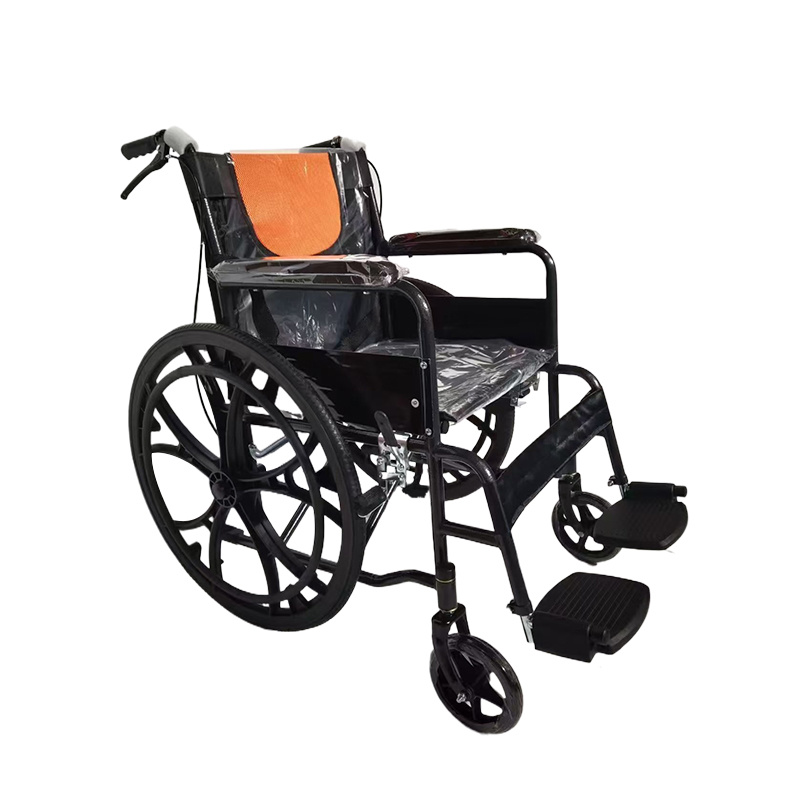
Manual wheelchairs are pivotal tools for enhancing patient mobility, providing a practical solution for individuals with limited physical capabilities. These wheelchairs are designed to be propelled by the user or an attendant, allowing for greater independence and movement. Understanding the various aspects of manual wheelchairs can aid healthcare professionals in recommending the most suitable options for their patients.
One of the primary advantages of manual wheelchairs is their lightweight design. Most models are constructed from aluminum or steel, making them easy to maneuver. This lightweight feature is especially beneficial for patients who may not have the strength to operate a heavier chair or for caregivers who need to assist in mobility. Additionally, many manual wheelchairs are foldable, which facilitates transport and storage, making them ideal for both home use and outings.
Another critical component to consider is the wheelchair's seat width and depth, which should be tailored to the patient's body dimensions for optimal comfort and support. Proper fit is essential, as it can prevent complications such as pressure sores and improve overall user satisfaction. Healthcare professionals should assess the patient's needs and preferences, ensuring the selected wheelchair accommodates any specific medical conditions.
Manual wheelchairs also offer customization options, such as adjustable armrests and footrests. This flexibility allows for a more personalized experience, catering to various user requirements. Furthermore, the addition of accessories, such as cushions and back supports, can significantly enhance comfort, making prolonged use more manageable.
In terms of mobility, manual wheelchairs empower patients to navigate different environments. Whether indoors or outdoors, these wheelchairs are designed for various terrains, ensuring users can maintain their independence. The wheels' design—typically a larger rear wheel paired with smaller front wheels—facilitates easier handling, allowing for smoother transitions from indoor flooring to outdoor surfaces.
It's crucial for healthcare professionals to educate patients and caregivers about the proper use and maintenance of manual wheelchairs. Regular checks on tire pressure, brake functionality, and overall wheelchair condition can prolong the device's lifespan and ensure safety. Educating users on techniques for navigating inclines, curbs, and tight spaces can also enhance their mobility experience.
In summary, manual wheelchairs serve as essential mobility aids that can significantly enhance the quality of life for individuals with mobility challenges. By understanding the various features, customization options, and maintenance needs of manual wheelchairs, healthcare professionals can provide valuable recommendations to their patients, fostering independence and improving overall well-being.
One of the primary advantages of manual wheelchairs is their lightweight design. Most models are constructed from aluminum or steel, making them easy to maneuver. This lightweight feature is especially beneficial for patients who may not have the strength to operate a heavier chair or for caregivers who need to assist in mobility. Additionally, many manual wheelchairs are foldable, which facilitates transport and storage, making them ideal for both home use and outings.
Another critical component to consider is the wheelchair's seat width and depth, which should be tailored to the patient's body dimensions for optimal comfort and support. Proper fit is essential, as it can prevent complications such as pressure sores and improve overall user satisfaction. Healthcare professionals should assess the patient's needs and preferences, ensuring the selected wheelchair accommodates any specific medical conditions.
Manual wheelchairs also offer customization options, such as adjustable armrests and footrests. This flexibility allows for a more personalized experience, catering to various user requirements. Furthermore, the addition of accessories, such as cushions and back supports, can significantly enhance comfort, making prolonged use more manageable.
In terms of mobility, manual wheelchairs empower patients to navigate different environments. Whether indoors or outdoors, these wheelchairs are designed for various terrains, ensuring users can maintain their independence. The wheels' design—typically a larger rear wheel paired with smaller front wheels—facilitates easier handling, allowing for smoother transitions from indoor flooring to outdoor surfaces.
It's crucial for healthcare professionals to educate patients and caregivers about the proper use and maintenance of manual wheelchairs. Regular checks on tire pressure, brake functionality, and overall wheelchair condition can prolong the device's lifespan and ensure safety. Educating users on techniques for navigating inclines, curbs, and tight spaces can also enhance their mobility experience.
In summary, manual wheelchairs serve as essential mobility aids that can significantly enhance the quality of life for individuals with mobility challenges. By understanding the various features, customization options, and maintenance needs of manual wheelchairs, healthcare professionals can provide valuable recommendations to their patients, fostering independence and improving overall well-being.
TAG:


Tel/WhatsApp
E-mail: ceo@kaishangmedical.com
Phone: +86-15031821611
Add: Jizhou District, Hengshui City,Hebei Province, China
Request Quote
Get a free quote