

Hengshui Kaishang Medical Equipment Co., Ltd.
From Hospital to Home: The Essential Role of Electric Wheelchairs in the Rehabilitation Journey
From Hospital to Home: The Essential Role of Electric Wheelchairs in the Rehabilitation Journey
Table of Contents
Introduction: Understanding the Rehabilitation Process
The Benefits of Electric Wheelchairs in Rehabilitation
Advanced Features of Modern Electric Wheelchairs
Choosing the Right Electric Wheelchair for Rehabilitation
Transitioning from Hospital to Home: Important C
Mar 29,2026


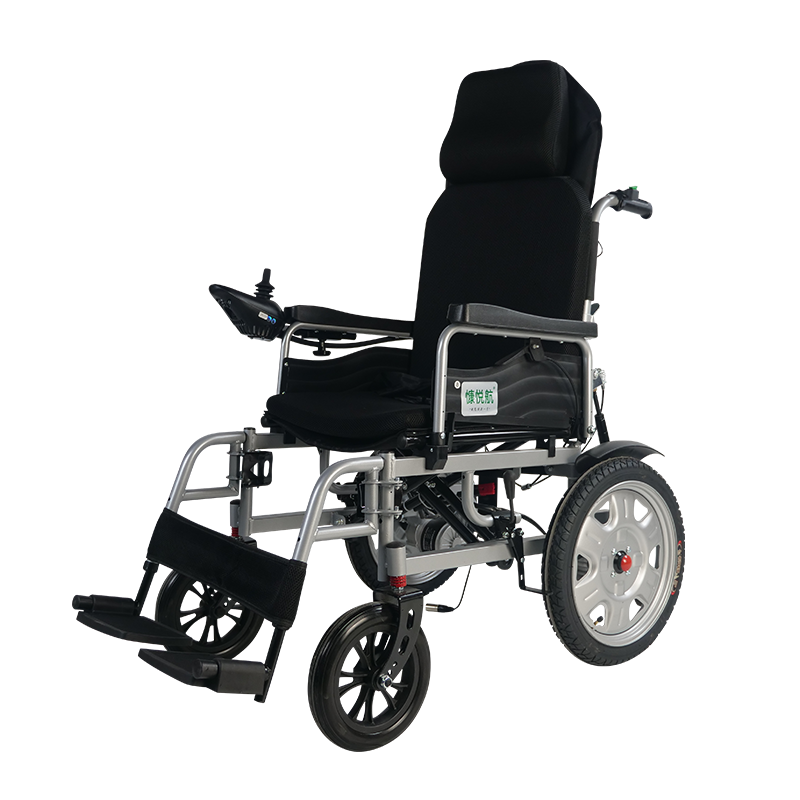
From Hospital to Home: The Essential Role of Electric Wheelchairs in the Rehabilitation Journey
Table of Contents
- Introduction: Understanding the Rehabilitation Process
- The Benefits of Electric Wheelchairs in Rehabilitation
- Advanced Features of Modern Electric Wheelchairs
- Choosing the Right Electric Wheelchair for Rehabilitation
- Transitioning from Hospital to Home: Important Considerations
- Creating a Supportive Home Environment for Wheelchair Users
- Frequently Asked Questions (FAQs)
- Conclusion: Embracing Independence with Electric Wheelchairs
Introduction: Understanding the Rehabilitation Process
The journey from hospital to home can be a pivotal moment in a patient’s recovery process. Rehabilitation focuses on restoring function and independence, often necessitating the use of specialized equipment. Among these, electric wheelchairs stand out as essential tools that facilitate mobility and enhance quality of life. As we delve into the specifics of electric wheelchairs, we will explore their vital role in the rehabilitation journey, their advanced features, and how they empower users to transition back to their everyday lives.
The Benefits of Electric Wheelchairs in Rehabilitation
Electric wheelchairs offer numerous advantages that significantly impact the rehabilitation process. These benefits include:
Enhanced Mobility and Independence
Electric wheelchairs are designed to provide users with greater mobility compared to manual options. They empower individuals to navigate various environments easily, fostering independence in both hospital settings and at home.
Reduced Physical Strain
For individuals recovering from surgery or injury, using a manual wheelchair can be physically demanding. Electric wheelchairs minimize the physical effort required to maneuver, allowing users to conserve energy for other aspects of their recovery.
Improved Comfort and Ergonomics
Most electric wheelchairs are engineered with user comfort in mind. Features such as adjustable seating, reclining backrests, and customizable armrests contribute to a more comfortable experience, reducing the risk of pressure sores and other complications.
Customization and Adaptability
Electric wheelchairs can be tailored to fit individual needs. From adjustable speed settings to specialized seating options, these devices can be modified to accommodate various medical conditions and personal preferences.
Advanced Features of Modern Electric Wheelchairs
The evolution of electric wheelchairs has introduced a range of advanced features that enhance user experience and safety. Understanding these features is crucial when selecting a wheelchair for rehabilitation.
Power and Performance
Modern electric wheelchairs come equipped with powerful motors and batteries that allow for extended ranges and better performance on various terrains. This is particularly beneficial for users who may need to navigate outdoor spaces.
Smart Technology Integration
Many electric wheelchairs now incorporate smart technology, enabling features such as smartphone compatibility and GPS navigation. These innovations enhance user convenience and safety, ensuring that individuals remain connected and informed.
Safety Features
Safety is paramount in rehabilitation. Electric wheelchairs often include anti-tip designs, automatic braking systems, and seatbelt harnesses to ensure user safety during operation. These features contribute to a secure and confident rehabilitation journey.
Lightweight and Portable Designs
With advancements in materials and engineering, many electric wheelchairs are now lightweight and foldable. This portability allows users to transport their wheelchairs with ease, facilitating outings and reducing barriers to social engagement.
Choosing the Right Electric Wheelchair for Rehabilitation
Selecting the appropriate electric wheelchair is a critical step in the rehabilitation journey. Consider the following factors to make an informed decision:
Assessing Individual Needs
Each user has unique needs based on their medical condition, physical capabilities, and lifestyle. Assessing these factors is essential to ensure that the chosen wheelchair provides the necessary support and functionality.
Consulting Healthcare Professionals
Consultation with healthcare providers, including physical therapists and occupational therapists, can provide valuable insights into the best wheelchair options for a specific rehabilitation plan. These professionals can recommend models that align with recovery goals.
Trial and Evaluation
Whenever possible, conducting trials with different electric wheelchair models can help users determine which options feel most comfortable and functional. This hands-on experience is vital to ensuring satisfaction with the selected device.
Transitioning from Hospital to Home: Important Considerations
The transition from a hospital setting to home presents its own set of challenges. Electric wheelchairs can ease this transition, but it is essential to prepare adequately.
Home Modifications for Accessibility
Before bringing an electric wheelchair home, it’s crucial to evaluate the living environment for accessibility. This may involve creating ramps, widening doorways, and ensuring that hallways are clear of obstacles.
Establishing a Support Network
Having a solid support system is vital during rehabilitation. Family members, friends, and caregivers play essential roles in assisting users as they adapt to their new mobility device.
Setting Goals and Tracking Progress
Setting achievable rehabilitation goals can provide motivation and direction. Regularly tracking progress can help users and caregivers stay focused on recovery objectives and celebrate milestones along the way.
Creating a Supportive Home Environment for Wheelchair Users
An accommodating home environment is essential for wheelchair users to thrive during their rehabilitation. Here are some strategies to create a supportive space:
Organizing Living Spaces
Rearranging furniture to create clear pathways can enhance mobility and accessibility. Consider removing unnecessary items and ensuring that frequently used areas are easy to navigate.
Engaging with Community Resources
Many communities offer resources and programs for individuals with mobility challenges. Engaging with local organizations can provide additional support, socialization opportunities, and access to recreational activities.
Encouraging Independence
While support is crucial, encouraging independence is equally important. Allowing users to perform tasks on their own, within their capacity, fosters confidence and promotes recovery.
Frequently Asked Questions (FAQs)
1. What are the key features to look for in an electric wheelchair?
Key features to consider include comfort, battery life, weight capacity, portability, and safety features like anti-tip designs and seatbelts.
2. How do electric wheelchairs benefit rehabilitation?
Electric wheelchairs enhance mobility, reduce physical strain, and improve user comfort, fostering independence and facilitating a smoother recovery process.
3. Can electric wheelchairs be used outdoors?
Yes, many modern electric wheelchairs are designed for outdoor use, featuring robust wheels and powerful motors that can handle various terrains.
4. How do I ensure my home is wheelchair accessible?
Evaluating your home for accessibility involves creating ramps, widening doorways, and ensuring clear pathways throughout living spaces.
5. What should I do if I experience problems with my electric wheelchair?
If you encounter any issues, consult the manufacturer’s customer support or your healthcare provider for guidance on troubleshooting or arranging repairs.
Conclusion: Embracing Independence with Electric Wheelchairs
Electric wheelchairs play an indispensable role in the rehabilitation process, significantly impacting the transition from hospital to home. By offering enhanced mobility, safety, and comfort, these devices empower individuals to regain independence and improve their quality of life. As we continue to advance in technology and understanding of rehabilitation needs, electric wheelchairs will remain crucial tools in fostering resilience and promoting recovery for individuals navigating their rehabilitation journey. Embrace the journey toward independence with the right support and resources, and let electric wheelchairs pave the way to a more fulfilling life.
TAG:


Tel/WhatsApp
E-mail: ceo@kaishangmedical.com
Phone: +86-15031821611
Add: Jizhou District, Hengshui City,Hebei Province, China
Request Quote
Get a free quote