

Hengshui Kaishang Medical Equipment Co., Ltd.
Essential Insights on Manual Medical Beds for Healthcare Professionals
Manual medical beds are pivotal in the healthcare sector, particularly in hospitals, nursing homes, and home care environments. These beds offer an essential combination of functionality and support, ensuring patients receive the best care possible. Understanding the features and advantages of manual medical beds can help healthcare professionals make informed decisions that enhance patient comfor
Mar 28,2026


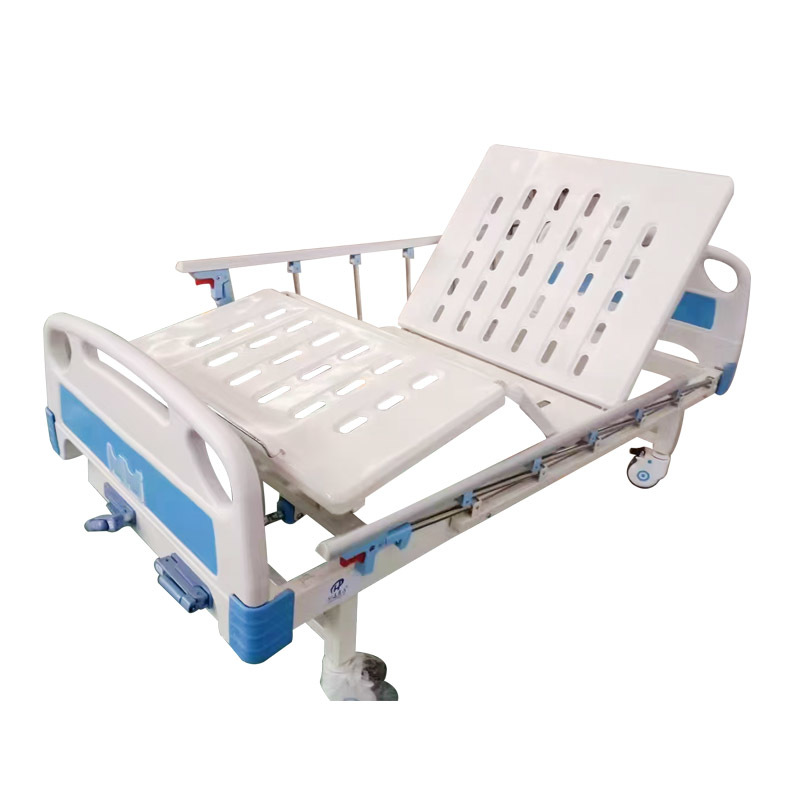
Manual medical beds are pivotal in the healthcare sector, particularly in hospitals, nursing homes, and home care environments. These beds offer an essential combination of functionality and support, ensuring patients receive the best care possible. Understanding the features and advantages of manual medical beds can help healthcare professionals make informed decisions that enhance patient comfort and safety.
One of the primary characteristics of a manual medical bed is its adjustable positioning, which allows caregivers to elevate or lower sections of the bed manually. This feature is vital for accommodating patients' needs, whether they require a specific angle for comfort, easier access for treatment, or assistance with mobility. By enabling adjustments in the head, foot, or height sections of the bed, healthcare providers can significantly alleviate patient discomfort and reduce the risk of pressure ulcers.
Manual medical beds are often equipped with side rails to ensure patient safety. These rails can be raised or lowered depending on the patient's condition and mobility level. For patients at risk of falling, these side rails act as a protective barrier, enhancing overall safety during rest or recovery. The design of these beds typically includes a sturdy frame made from durable materials to withstand regular use while maintaining a clean and hygienic environment for patients.
Moreover, manual medical beds are typically designed with a focus on ease of use. Caregivers can quickly adjust the bed's position without requiring electrical components, making these beds a reliable option in situations where power sources are limited or unavailable. This feature is particularly beneficial in emergency situations or during power outages when ensuring patient comfort and care continuity remains a priority.
In addition to their practical advantages, manual medical beds also offer economic benefits. These beds usually come at a lower price point compared to their electric counterparts, making them an attractive option for healthcare facilities with budget constraints. The simplicity of manual beds also means that they tend to have lower maintenance costs, further enhancing their appeal.
When considering the integration of manual medical beds into a healthcare setting, it is essential to assess the specific needs of the patient population being served. Factors such as patient mobility, treatment requirements, and comfort preferences should all influence the decision-making process.
In summary, manual medical beds play a vital role in enhancing patient care in various healthcare environments. Their adjustable features, safety mechanisms, user-friendly design, and economic advantages make them an excellent choice for professionals in the medical field. By understanding these critical aspects, healthcare providers can ensure that they are offering the best possible support for their patients' needs.
One of the primary characteristics of a manual medical bed is its adjustable positioning, which allows caregivers to elevate or lower sections of the bed manually. This feature is vital for accommodating patients' needs, whether they require a specific angle for comfort, easier access for treatment, or assistance with mobility. By enabling adjustments in the head, foot, or height sections of the bed, healthcare providers can significantly alleviate patient discomfort and reduce the risk of pressure ulcers.
Manual medical beds are often equipped with side rails to ensure patient safety. These rails can be raised or lowered depending on the patient's condition and mobility level. For patients at risk of falling, these side rails act as a protective barrier, enhancing overall safety during rest or recovery. The design of these beds typically includes a sturdy frame made from durable materials to withstand regular use while maintaining a clean and hygienic environment for patients.
Moreover, manual medical beds are typically designed with a focus on ease of use. Caregivers can quickly adjust the bed's position without requiring electrical components, making these beds a reliable option in situations where power sources are limited or unavailable. This feature is particularly beneficial in emergency situations or during power outages when ensuring patient comfort and care continuity remains a priority.
In addition to their practical advantages, manual medical beds also offer economic benefits. These beds usually come at a lower price point compared to their electric counterparts, making them an attractive option for healthcare facilities with budget constraints. The simplicity of manual beds also means that they tend to have lower maintenance costs, further enhancing their appeal.
When considering the integration of manual medical beds into a healthcare setting, it is essential to assess the specific needs of the patient population being served. Factors such as patient mobility, treatment requirements, and comfort preferences should all influence the decision-making process.
In summary, manual medical beds play a vital role in enhancing patient care in various healthcare environments. Their adjustable features, safety mechanisms, user-friendly design, and economic advantages make them an excellent choice for professionals in the medical field. By understanding these critical aspects, healthcare providers can ensure that they are offering the best possible support for their patients' needs.
TAG:
PREVIOUS:


Tel/WhatsApp
E-mail: ceo@kaishangmedical.com
Phone: +86-15031821611
Add: Jizhou District, Hengshui City,Hebei Province, China
Request Quote
Get a free quote