

Hengshui Kaishang Medical Equipment Co., Ltd.
Exploring the Safety Features of Modern Electric Medical Beds
Exploring the Safety Features of Modern Electric Medical Beds
Table of Contents
1. Introduction to Electric Medical Beds
2. Importance of Safety in Medical Bed Design
3. Key Safety Features of Modern Electric Medical Beds
3.1 Adjustable Height for Patient Comfort
3.2 Side Rails: Essential Safety Support
3.3 Anti-Trendelenburg and Trendelenburg Functions
3.4 Emergency Power Back-Up Systems
3.5 Pati
Mar 27,2026


Exploring the Safety Features of Modern Electric Medical Beds
Table of Contents
1. Introduction to Electric Medical Beds
2. Importance of Safety in Medical Bed Design
3. Key Safety Features of Modern Electric Medical Beds
3.1 Adjustable Height for Patient Comfort
3.2 Side Rails: Essential Safety Support
3.3 Anti-Trendelenburg and Trendelenburg Functions
3.4 Emergency Power Back-Up Systems
3.5 Patient Control Panels for Enhanced Autonomy
4. Innovations in Electric Medical Bed Technology
5. Best Practices for Using Electric Medical Beds Safely
6. Frequently Asked Questions (FAQs)
7. Conclusion
1. Introduction to Electric Medical Beds
Electric medical beds have become a cornerstone of patient care in hospitals, nursing homes, and home healthcare environments. These beds are specifically designed to provide maximum comfort and safety to patients while facilitating ease of use for healthcare professionals. The evolution of electric medical beds has been driven by technological advancements and a growing understanding of patient needs.
Modern electric medical beds offer a myriad of features that not only enhance patient comfort but also prioritize safety. As we delve deeper into the safety features of these beds, it’s essential to recognize their critical role in improving healthcare outcomes.
2. Importance of Safety in Medical Bed Design
Safety is paramount in healthcare settings, particularly when it comes to the equipment used in caring for patients. Electric medical beds must be designed to minimize risks associated with patient mobility, positioning, and emergency situations. Poorly designed beds can lead to accidents, including falls and entrapments, which can have dire consequences for patients, especially those with limited mobility or specific medical conditions.
Incorporating safety features in electric medical beds not only enhances patient well-being but also provides peace of mind for caregivers and family members. A focus on safety can help reduce the incidence of hospital-acquired injuries and promote a better care environment.
3. Key Safety Features of Modern Electric Medical Beds
As technology evolves, so do the safety features found in electric medical beds. Below are some of the most crucial safety features that modern electric medical beds offer.
3.1 Adjustable Height for Patient Comfort
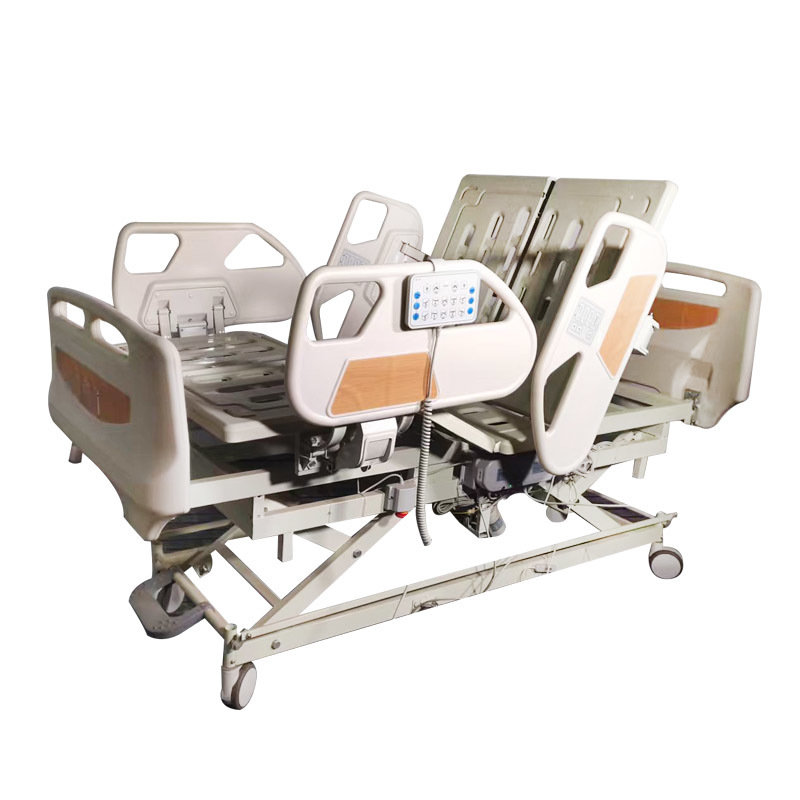
One of the most significant advantages of electric medical beds is their ability to adjust height. This feature allows caregivers to position the bed at a suitable height for transferring patients safely, reducing the risk of injury for both patients and staff. By adjusting the bed's height, caregivers can also assist patients in transitioning from sitting to standing or lying down with greater ease.
3.2 Side Rails: Essential Safety Support
Side rails are a fundamental safety feature in electric medical beds. They provide essential support for patients who may be at risk of falling out of bed, especially during sleep or when changing positions. Modern beds often feature adjustable side rails that can be easily raised or lowered, allowing caregivers to customize the level of safety based on the patient’s condition and mobility.
3.3 Anti-Trendelenburg and Trendelenburg Functions
The Trendelenburg and reverse Trendelenburg positions can be critical in certain medical situations. The Trendelenburg position involves tilting the bed to elevate the patient's legs, which can enhance circulation and improve blood flow during emergencies. Conversely, the reverse Trendelenburg position, which elevates the head, can be beneficial for patients experiencing respiratory distress. Electric medical beds today often come equipped with these functionalities, allowing for quick adjustments in critical situations.
3.4 Emergency Power Back-Up Systems
In the event of a power outage, having a reliable back-up system is essential for electric medical beds. Many modern beds come with built-in emergency power systems that allow them to function even when the electrical supply is interrupted. This ensures that patients can be repositioned safely, and caregivers can continue to provide necessary care without delay.
3.5 Patient Control Panels for Enhanced Autonomy
Modern electric medical beds often feature intuitive control panels that patients can operate independently. These panels allow patients to adjust their position, including raising or lowering the head and feet of the bed. By empowering patients to control their comfort, these features not only enhance autonomy but also significantly reduce the likelihood of caregiver-related injuries.
4. Innovations in Electric Medical Bed Technology
The ongoing development of electric medical beds is characterized by innovative technologies aimed at improving patient safety and comfort. Some notable advancements include integrated monitoring systems, which can track vital signs and alert caregivers of any abnormalities. Additionally, beds are now designed with materials that are easier to clean and maintain, reducing the risk of infections.
Another exciting innovation is the inclusion of smart technology, allowing beds to connect with other medical devices for seamless data sharing. These advancements not only streamline patient care but also enhance overall safety and efficiency in healthcare settings.
5. Best Practices for Using Electric Medical Beds Safely
While modern electric medical beds are equipped with numerous safety features, it is crucial for caregivers to adhere to best practices to ensure optimal safety and care. Here are some recommended practices:
1. **Regular Training:** Caregivers should receive ongoing education and training on how to operate electric medical beds properly and efficiently, ensuring they are familiar with all safety features.
2. **Routine Maintenance Checks:** Regular inspections of electric medical beds should be conducted to ensure all components are functioning correctly. This includes checking the electrical system, mechanisms, and safety features.
3. **Patient Assessment:** Always assess the patient's mobility and risk factors before using the bed’s features. Customizing the bed's settings based on the unique needs of each patient can enhance safety.
4. **Clear Communication:** Encourage open communication between patients and caregivers regarding the use of the bed. Patients should feel comfortable asking for assistance when needed.
5. **Emergency Protocols:** Establish clear protocols for emergency situations, including power failures or patient distress. Caregivers should be trained to respond swiftly and effectively.
6. Frequently Asked Questions (FAQs)
What is an electric medical bed?
An electric medical bed is a specialized bed designed for patient care that allows adjustments in height and position through an electric control system.
What are the primary safety features of electric medical beds?
Key safety features include adjustable height, side rails, Trendelenburg functions, emergency power back-up, and patient control panels.
How do electric medical beds enhance patient comfort?
Electric medical beds allow for customizable positioning, which can alleviate pressure points, facilitate easier movement, and promote overall comfort for patients.
Are electric medical beds safe for all patients?
While electric medical beds are designed with safety in mind, individual patient assessments are necessary to ensure the bed’s features are appropriate and safe for specific conditions and mobility levels.
How can caregivers ensure the safe use of electric medical beds?
Caregivers can ensure safety by receiving regular training, conducting routine maintenance checks, assessing patient needs, fostering communication, and following established emergency protocols.
7. Conclusion
Modern electric medical beds represent a significant advancement in patient care, offering a multitude of safety features designed to enhance both the comfort and security of patients. By understanding and utilizing these features effectively, healthcare providers can significantly improve patient safety and outcomes. As technology continues to evolve, we can expect even greater innovations in electric medical beds, further solidifying their role as essential tools in healthcare settings. Prioritizing safety through education, best practices, and advancements in technology is vital to delivering the highest quality of care. Investing in electric medical beds with robust safety features is not just a choice; it is a commitment to the well-being of patients and the healthcare professionals dedicated to their care.
TAG:


Tel/WhatsApp
E-mail: ceo@kaishangmedical.com
Phone: +86-15031821611
Add: Jizhou District, Hengshui City,Hebei Province, China
Request Quote
Get a free quote