

Hengshui Kaishang Medical Equipment Co., Ltd.
Enhancing Patient Mobility with Manual Wheelchairs: A Comprehensive Guide
Manual wheelchairs are invaluable tools for enhancing patient mobility, enabling individuals with limited mobility to regain independence and improve their quality of life. Unlike powered wheelchairs, manual wheelchairs rely on the user's physical strength and effort to propel themselves forward. This feature not only fosters a sense of autonomy but also serves as a form of exercise, promoting phy
Jun 21,2026


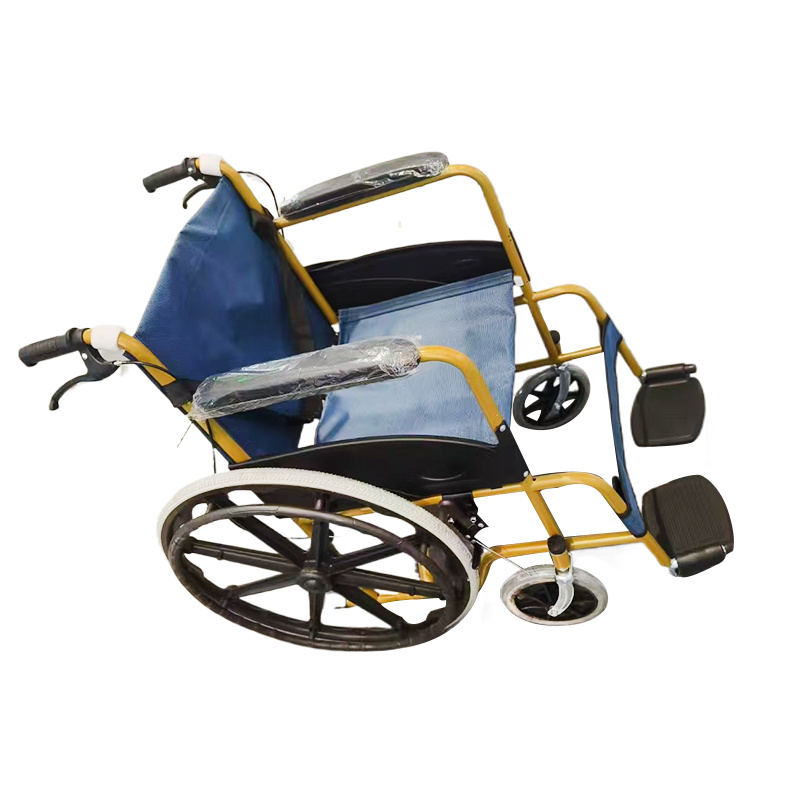
Manual wheelchairs are invaluable tools for enhancing patient mobility, enabling individuals with limited mobility to regain independence and improve their quality of life. Unlike powered wheelchairs, manual wheelchairs rely on the user's physical strength and effort to propel themselves forward. This feature not only fosters a sense of autonomy but also serves as a form of exercise, promoting physical health and muscle strength.
When considering a manual wheelchair, it's essential to understand the different types available. Standard manual wheelchairs are designed for general use, while lightweight models offer enhanced maneuverability, making them suitable for those who need to transport their chair frequently. Additionally, there are specialized models designed for specific needs, such as sports wheelchairs that cater to individuals engaged in athletic activities.
One of the primary benefits of manual wheelchairs is their cost-effectiveness. Manual options are typically more affordable than their powered counterparts, making them accessible to a broader range of individuals. They also require less maintenance, as there are no batteries or electrical components to manage. This aspect can significantly reduce the overall cost of ownership, making manual wheelchairs an attractive choice for many patients and caregivers.
Another significant advantage is the customization potential. Many manual wheelchairs can be tailored to meet the specific needs of the user, including adjustments to seat height, width, and back support. This ensures comfort and proper posture, which are crucial for long-term use. Additionally, various accessories, such as cushions, armrests, and footrests, can enhance the user experience.
However, it's important to consider the physical demands of using a manual wheelchair. Users must possess sufficient upper body strength and endurance to operate the chair effectively. For some individuals, assistance from caregivers may be necessary, particularly for longer distances or challenging terrains. Therefore, evaluating the user's physical capabilities is critical when selecting a manual wheelchair.
In conclusion, manual wheelchairs play a crucial role in promoting patient mobility and independence. They offer a versatile and economical solution for individuals with mobility challenges, enabling them to participate more fully in daily activities. When choosing a manual wheelchair, it is essential to assess the user's specific needs, physical abilities, and the intended environment for use. With the right manual wheelchair, patients can experience enhanced mobility and a significant improvement in their overall well-being.
When considering a manual wheelchair, it's essential to understand the different types available. Standard manual wheelchairs are designed for general use, while lightweight models offer enhanced maneuverability, making them suitable for those who need to transport their chair frequently. Additionally, there are specialized models designed for specific needs, such as sports wheelchairs that cater to individuals engaged in athletic activities.
One of the primary benefits of manual wheelchairs is their cost-effectiveness. Manual options are typically more affordable than their powered counterparts, making them accessible to a broader range of individuals. They also require less maintenance, as there are no batteries or electrical components to manage. This aspect can significantly reduce the overall cost of ownership, making manual wheelchairs an attractive choice for many patients and caregivers.
Another significant advantage is the customization potential. Many manual wheelchairs can be tailored to meet the specific needs of the user, including adjustments to seat height, width, and back support. This ensures comfort and proper posture, which are crucial for long-term use. Additionally, various accessories, such as cushions, armrests, and footrests, can enhance the user experience.
However, it's important to consider the physical demands of using a manual wheelchair. Users must possess sufficient upper body strength and endurance to operate the chair effectively. For some individuals, assistance from caregivers may be necessary, particularly for longer distances or challenging terrains. Therefore, evaluating the user's physical capabilities is critical when selecting a manual wheelchair.
In conclusion, manual wheelchairs play a crucial role in promoting patient mobility and independence. They offer a versatile and economical solution for individuals with mobility challenges, enabling them to participate more fully in daily activities. When choosing a manual wheelchair, it is essential to assess the user's specific needs, physical abilities, and the intended environment for use. With the right manual wheelchair, patients can experience enhanced mobility and a significant improvement in their overall well-being.
TAG:
PREVIOUS:


Tel/WhatsApp
E-mail: ceo@kaishangmedical.com
Phone: +86-15031821611
Add: Jizhou District, Hengshui City,Hebei Province, China
Request Quote
Get a free quote