

Hengshui Kaishang Medical Equipment Co., Ltd.
Improving Mobility: The Essential Role of Electric Wheelchairs in Rehabilitation Therapy
Improving Mobility: The Essential Role of Electric Wheelchairs in Rehabilitation Therapy
Table of Contents
1. Introduction to Electric Wheelchairs and Their Importance
2. What is an Electric Wheelchair?
3. Benefits of Electric Wheelchairs in Rehabilitation Therapy
3.1 Enhanced Mobility and Independence
3.2 Improved Quality of Life
3.3 Psych
Jun 20,2026


Improving Mobility: The Essential Role of Electric Wheelchairs in Rehabilitation Therapy
Table of Contents
- 1. Introduction to Electric Wheelchairs and Their Importance
- 2. What is an Electric Wheelchair?
- 3. Benefits of Electric Wheelchairs in Rehabilitation Therapy
- 4. How Electric Wheelchairs Aid in Therapy
- 5. Types of Electric Wheelchairs
- 6. Choosing the Right Electric Wheelchair for Therapy
- 7. Common Misconceptions About Electric Wheelchairs
- 8. Frequently Asked Questions (FAQs)
- 9. Conclusion
1. Introduction to Electric Wheelchairs and Their Importance
In today's healthcare landscape, **electric wheelchairs** have emerged as a vital tool in rehabilitation therapy. These advanced mobility devices are designed not only for maneuverability but also for enhancing the overall quality of life for individuals with mobility impairments. Whether due to injury, illness, or age-related conditions, many people rely on electric wheelchairs to regain independence and participate more fully in their daily lives.
The growing emphasis on patient-centered care has made it essential for healthcare providers to incorporate technologies like electric wheelchairs into their therapeutic plans. Understanding the significance of these devices is crucial for promoting mobility and improving outcomes in therapeutic settings.
2. What is an Electric Wheelchair?
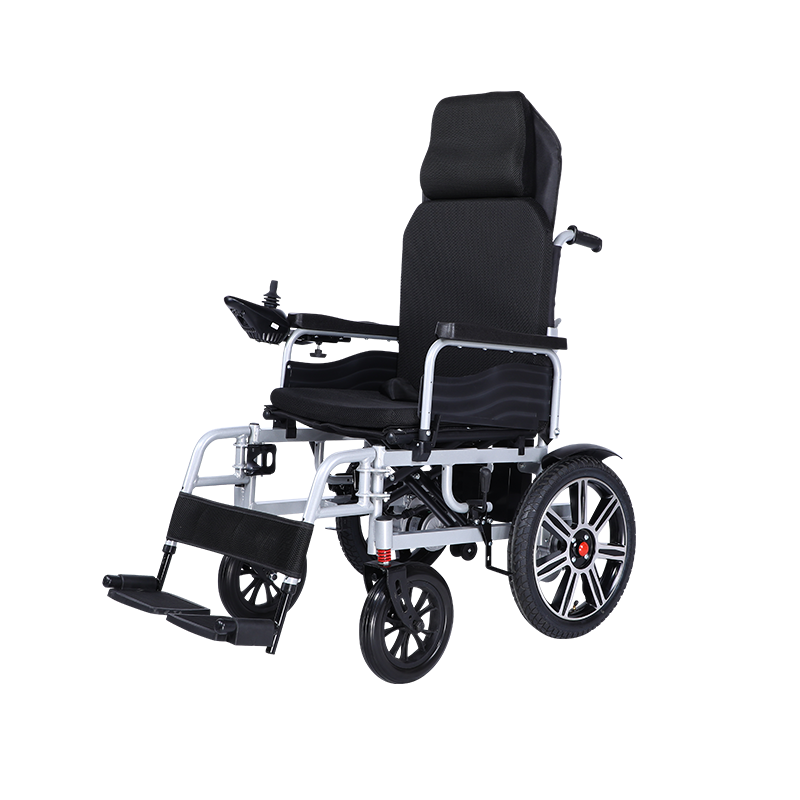
An **electric wheelchair**, also known as a power wheelchair, is a mobility device that utilizes electric motors to facilitate movement. Unlike manual wheelchairs, which require physical effort from the user to propel themselves, electric wheelchairs are equipped with batteries and can be controlled using a joystick or other intuitive controls. This design allows individuals with varying levels of physical ability to navigate their environment with ease.
Electric wheelchairs come in various styles and configurations, catering to the diverse needs of users. Some models feature all-terrain capabilities, while others are designed for indoor use, emphasizing compactness and maneuverability.
3. Benefits of Electric Wheelchairs in Rehabilitation Therapy
Electric wheelchairs offer numerous advantages that significantly enhance the rehabilitation experience for users.
3.1 Enhanced Mobility and Independence
One of the most prominent benefits of electric wheelchairs is the **enhanced mobility** they provide. Users can quickly navigate their surroundings without relying on caregivers, fostering a sense of autonomy. This independence is particularly important for individuals recovering from surgeries or injuries, as it allows them to engage in daily activities and routines that promote healing.
3.2 Improved Quality of Life
The impact of electric wheelchairs on the **quality of life** cannot be overstated. By improving mobility, individuals can participate in social activities, pursue hobbies, and maintain relationships. This access to various aspects of life contributes to overall well-being and a sense of belonging, which is vital for mental and emotional health.
3.3 Psychological Benefits
The psychological benefits of using electric wheelchairs extend beyond mere mobility. Independence fosters self-esteem and confidence, essential components in the rehabilitation process. Users often report feeling more empowered and less anxious when they can control their mobility, which can significantly enhance their overall outlook on recovery.
4. How Electric Wheelchairs Aid in Therapy
Electric wheelchairs serve as more than just mobility aids; they play a crucial role in therapy, contributing to physical, emotional, and social rehabilitation.
4.1 Promoting Physical Activity
Electric wheelchairs encourage **physical activity** by enabling users to move about their environment with ease. This mobility is crucial for rehabilitation, as it helps maintain muscle tone and reduces the risk of secondary health issues associated with prolonged inactivity. Additionally, movement can stimulate circulation and improve overall physical health.
4.2 Facilitating Social Interaction
Social interaction is a key element of rehabilitation. Electric wheelchairs enable users to engage with peers and family members, facilitating conversations and social activities that might otherwise be challenging. This interaction fosters emotional connections, which are essential for a positive rehabilitation experience.
5. Types of Electric Wheelchairs
Understanding the different types of electric wheelchairs available can help individuals choose the best option for their needs. The primary categories include:
- **Standard Electric Wheelchairs:** These are designed for everyday use, offering basic features suitable for most users.
- **Heavy-Duty Electric Wheelchairs:** Built for individuals with higher weight capacities, these models provide robust support and durability.
- **Lightweight Electric Wheelchairs:** Ideal for those who need a portable solution, these wheelchairs are easy to transport and maneuver.
- **All-Terrain Electric Wheelchairs:** Designed for outdoor use, these models feature specialized wheels and suspension to navigate rough surfaces.
6. Choosing the Right Electric Wheelchair for Therapy
Selecting the right electric wheelchair is crucial in maximizing its benefits in therapy. Here are some factors to consider:
- **User Needs and Preferences:** Assess the user’s specific mobility requirements, lifestyle, and preferences.
- **Weight Capacity:** Ensure the chosen wheelchair can safely accommodate the user’s weight.
- **Terrain Compatibility:** Consider where the wheelchair will be primarily used—indoors, outdoors, or both.
- **Battery Life:** Evaluate the battery life to ensure it meets the user’s daily needs.
Consulting with healthcare professionals and rehabilitation specialists can provide valuable insights during the selection process.
7. Common Misconceptions About Electric Wheelchairs
Several misconceptions surround electric wheelchairs that can deter potential users from embracing this beneficial technology.
- **Misconception 1: Electric Wheelchairs Are Only for the Elderly:** While many elderly individuals benefit from electric wheelchairs, they are also suitable for younger individuals with mobility challenges.
- **Misconception 2: They Are Difficult to Operate:** Modern electric wheelchairs are designed to be user-friendly, with intuitive controls that almost anyone can learn to use quickly.
- **Misconception 3: They Are Too Expensive:** Various models are available at different price points, and many insurance plans provide coverage for electric wheelchairs based on medical necessity.
By dispelling these myths, more individuals can benefit from the advantages that electric wheelchairs offer.
8. Frequently Asked Questions (FAQs)
1. Are electric wheelchairs suitable for outdoor use?
Yes, many electric wheelchairs are designed specifically for outdoor use, with features like all-terrain wheels and enhanced suspension systems.
2. How long does the battery of an electric wheelchair last?
Battery life varies by model and usage, but most electric wheelchairs can operate for several hours on a single charge, often between 10 to 20 miles.
3. Can I modify my electric wheelchair for better performance?
Yes, many users choose to customize their electric wheelchairs with accessories or modifications to enhance functionality, comfort, or usability.
4. Is a prescription required for an electric wheelchair?
In most cases, a prescription from a healthcare provider is required for insurance coverage, as electric wheelchairs are considered medical devices.
5. What maintenance do electric wheelchairs require?
Regular maintenance includes checking the battery, keeping the wheels clean, and ensuring that all mechanical parts are functioning properly. Routine inspections can help prolong the life of the wheelchair.
9. Conclusion
Electric wheelchairs are invaluable tools in rehabilitation therapy, playing a key role in enhancing mobility, independence, and overall quality of life for individuals with mobility impairments. By understanding their benefits and how to choose the right model, users can significantly improve their rehabilitation experience.
As healthcare continues to evolve, integrating technologies like electric wheelchairs into therapeutic practices will be essential in promoting mobility and independence. Embracing this advancement not only empowers individuals but also enhances their recovery journey, ultimately leading to a better quality of life.
TAG:
PREVIOUS:


Tel/WhatsApp
E-mail: ceo@kaishangmedical.com
Phone: +86-15031821611
Add: Jizhou District, Hengshui City,Hebei Province, China
Request Quote
Get a free quote