

Hengshui Kaishang Medical Equipment Co., Ltd.
The Essential Guide to Manual Medical Beds: Enhancing Patient Care and Comfort
Manual Medical Beds are integral components in various healthcare environments, including hospitals, nursing homes, and home care settings. These beds are designed to offer both comfort and functionality, allowing healthcare professionals to provide optimal care for patients.
One of the key features of Manual Medical Beds is their adjustable height and positioning capabilities. This adjustment is
Jun 19,2026


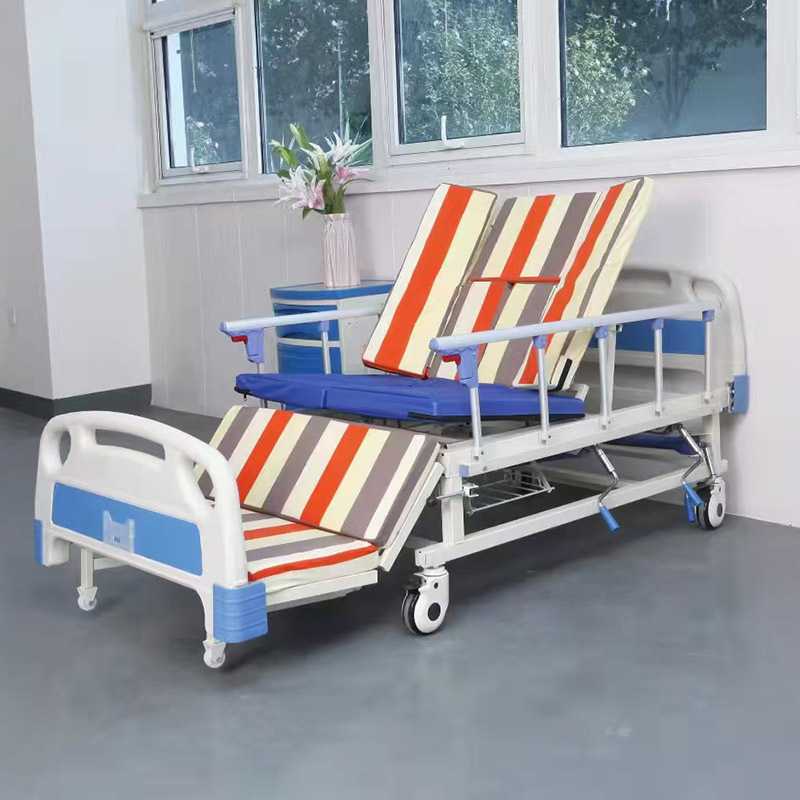
Manual Medical Beds are integral components in various healthcare environments, including hospitals, nursing homes, and home care settings. These beds are designed to offer both comfort and functionality, allowing healthcare professionals to provide optimal care for patients.
One of the key features of Manual Medical Beds is their adjustable height and positioning capabilities. This adjustment is crucial for both patient comfort and ease of access for caregivers. By allowing the head and foot sections of the bed to be raised or lowered, these beds facilitate various therapeutic positions that can enhance patient outcomes. For instance, elevating the head of the bed may help patients with respiratory issues by improving airflow, while a reclined position can assist in reducing pressure ulcers.
In addition to their adjustability, Manual Medical Beds are often designed with patient safety in mind. Many models come equipped with side rails that can be easily raised or lowered, providing support and preventing falls, especially for patients who may be disoriented or have limited mobility. The presence of locking wheels allows for stable positioning, preventing unexpected movement during patient transfers or care activities.
Maintenance and cleaning of Manual Medical Beds are also critical aspects that contribute to their effectiveness in healthcare settings. These beds are typically constructed from materials that are easy to clean and disinfect, which is essential for maintaining a hygienic environment, especially in hospitals where infection control is paramount. Regular maintenance ensures that the beds remain in optimal working condition, providing safe and reliable support for patients.
Moreover, Manual Medical Beds are often more cost-effective compared to their electric counterparts. They require no power source, making them a suitable option for various facilities, particularly in areas with limited access to electricity. This affordability does not compromise their quality or functionality, making them a preferred choice for many healthcare providers.
It is also noteworthy that Manual Medical Beds can accommodate a variety of patient needs. Whether it’s for post-operative care, long-term rehabilitation, or palliative care, these beds provide the versatility that caregivers require to cater to different health conditions.
In conclusion, Manual Medical Beds play an essential role in enhancing patient care and comfort. Their adjustable features, safety mechanisms, ease of maintenance, and cost-effectiveness make them invaluable tools in the healthcare industry. As healthcare continues to evolve, the demand for such versatile and reliable equipment will remain critical in ensuring the well-being of patients across various care environments.
One of the key features of Manual Medical Beds is their adjustable height and positioning capabilities. This adjustment is crucial for both patient comfort and ease of access for caregivers. By allowing the head and foot sections of the bed to be raised or lowered, these beds facilitate various therapeutic positions that can enhance patient outcomes. For instance, elevating the head of the bed may help patients with respiratory issues by improving airflow, while a reclined position can assist in reducing pressure ulcers.
In addition to their adjustability, Manual Medical Beds are often designed with patient safety in mind. Many models come equipped with side rails that can be easily raised or lowered, providing support and preventing falls, especially for patients who may be disoriented or have limited mobility. The presence of locking wheels allows for stable positioning, preventing unexpected movement during patient transfers or care activities.
Maintenance and cleaning of Manual Medical Beds are also critical aspects that contribute to their effectiveness in healthcare settings. These beds are typically constructed from materials that are easy to clean and disinfect, which is essential for maintaining a hygienic environment, especially in hospitals where infection control is paramount. Regular maintenance ensures that the beds remain in optimal working condition, providing safe and reliable support for patients.
Moreover, Manual Medical Beds are often more cost-effective compared to their electric counterparts. They require no power source, making them a suitable option for various facilities, particularly in areas with limited access to electricity. This affordability does not compromise their quality or functionality, making them a preferred choice for many healthcare providers.
It is also noteworthy that Manual Medical Beds can accommodate a variety of patient needs. Whether it’s for post-operative care, long-term rehabilitation, or palliative care, these beds provide the versatility that caregivers require to cater to different health conditions.
In conclusion, Manual Medical Beds play an essential role in enhancing patient care and comfort. Their adjustable features, safety mechanisms, ease of maintenance, and cost-effectiveness make them invaluable tools in the healthcare industry. As healthcare continues to evolve, the demand for such versatile and reliable equipment will remain critical in ensuring the well-being of patients across various care environments.
TAG:
PREVIOUS:


Tel/WhatsApp
E-mail: ceo@kaishangmedical.com
Phone: +86-15031821611
Add: Jizhou District, Hengshui City,Hebei Province, China
Request Quote
Get a free quote