

Hengshui Kaishang Medical Equipment Co., Ltd.
Adapting to Patient Needs: The Versatility of Electric Medical Beds
Adapting to Patient Needs: The Versatility of Electric Medical Beds
Introduction to Electric Medical Beds
Electric medical beds have transformed patient care, providing comfort and adaptability that is crucial to nurturing health and well-being. They are not just pieces of furniture; they are essential components of modern healthcare, ensuring that each patient's specific needs are met. This art
Jun 18,2026


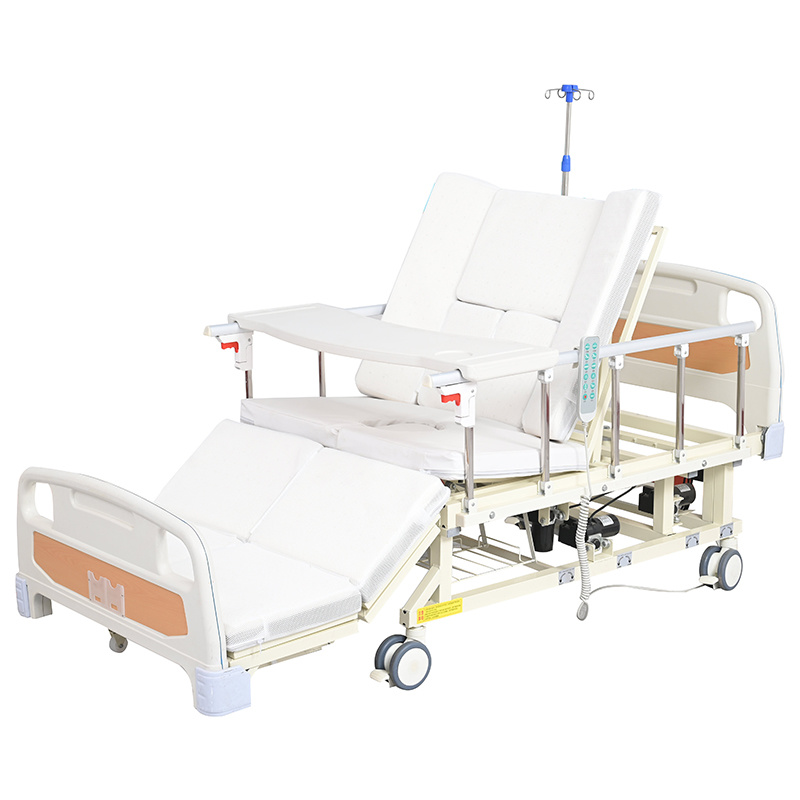
Adapting to Patient Needs: The Versatility of Electric Medical Beds
Introduction to Electric Medical Beds
Electric medical beds have transformed patient care, providing comfort and adaptability that is crucial to nurturing health and well-being. They are not just pieces of furniture; they are essential components of modern healthcare, ensuring that each patient's specific needs are met. This article explores the versatility of electric medical beds and how they adapt to various patient requirements, improving overall care quality.
The Importance of Comfort in Patient Care
Comfort is a fundamental aspect of patient care, especially in a hospital or home healthcare setting. Electric medical beds are designed to enhance comfort through adjustable features. Patients can easily change positions to relieve pressure, improve circulation, and reduce discomfort. In this section, we discuss the specific features of electric medical beds that contribute to patient comfort.
Adjustable Height Features
Electric medical beds allow for easy height adjustments, making it convenient for caregivers to provide assistance without straining their backs. This feature also helps patients transition in and out of bed more effortlessly. Height adjustment can reduce the risk of falls, making it a vital component for patient safety.
Positioning Capabilities
One of the standout features of electric medical beds is their ability to adjust positions. Patients can elevate their heads or legs, which can alleviate discomfort from specific medical conditions. Whether a patient requires a Fowler's position for respiratory issues or a Trendelenburg position for circulation improvements, electric beds offer versatility that manual beds simply cannot match.
Enhancing Accessibility for Diverse Patient Needs
Electric medical beds are built to accommodate a wide range of patient needs. From the elderly to those with disabilities, the right bed can significantly enhance accessibility and independence.
Features for the Elderly
For elderly patients, independence is key. Electric medical beds with features like remote controls or side rails allow seniors to adjust their positions without needing assistance. This independence can improve their mental well-being and quality of life.
Customization for Patients with Disabilities
Patients with disabilities have unique requirements that often necessitate specific bed features. Electric medical beds can be customized with various accessories like trapeze bars, specialized mattresses, and height adjustments to ensure that all patients, regardless of their mobility level, can benefit from these beds.
Technological Advancements in Electric Medical Beds
As technology advances, so do electric medical beds. Innovations in this field have led to enhanced features that improve patient care significantly.
Smart Bed Technology
Recent developments in smart bed technology allow for remote monitoring of patient vitals and movement. These beds can alert caregivers if a patient falls or requires assistance, ensuring timely intervention. The integration of technology is a game-changer in enhancing patient safety and care.
Pressure Relief Systems
Electric medical beds often come equipped with advanced pressure relief systems that help prevent bedsores. These systems work by redistributing pressure throughout the body, promoting better blood flow and skin health, which is vital for long-term patients.
Cost-Effectiveness of Electric Medical Beds
Investing in electric medical beds may seem costly upfront, but they prove to be cost-effective in the long run. By reducing the risk of complications and improving recovery times, healthcare facilities can save on additional medical costs.
Reducing Hospital Readmissions
The versatility of electric medical beds can lead to improved patient outcomes. Patients who experience greater comfort and care in their beds are less likely to have complications that could lead to readmissions, ultimately saving costs associated with extended hospital stays.
Long-Term Home Care Benefits
For patients receiving long-term care at home, electric medical beds facilitate easier management of health conditions. Caregivers can provide better care with less physical strain, which can lead to fewer injuries and better quality care for patients.
Choosing the Right Electric Medical Bed
With various options available, selecting the right electric medical bed can be overwhelming. However, understanding the key features that meet specific patient needs can simplify the decision-making process.
Deciding on Bed Dimensions
Bed dimensions are critical for ensuring a comfortable fit in the patient's space. Assessing room size and the patient’s physical needs can guide decisions on choosing the right bed size—standard, queen, or specialty sizes.
Evaluating Features and Accessories
When selecting an electric medical bed, it's essential to consider which features and accessories are necessary for the patient. Options such as adjustable side rails, integrated scales, and specialized mattresses should be evaluated based on the patient's health conditions and mobility levels.
Training Caregivers on Electric Medical Beds
Training caregivers on the functionalities of electric medical beds is crucial for effective patient care. Understanding how to operate these beds safely ensures that both caregivers and patients can benefit fully.
Hands-On Training Sessions
Conducting hands-on training sessions with caregivers can help them become familiar with operating electric medical beds. This training can cover essential functions such as height adjustments, positioning controls, and safety features.
Providing User Manuals and Resources
In addition to hands-on training, providing user manuals and readily available resources helps reinforce learning. Caregivers can refer to these materials when needed, ensuring they can operate the beds efficiently and safely.
Future Trends in Electric Medical Beds
The future of electric medical beds looks promising, with ongoing innovations aimed at improving patient care.
Integration with Telehealth Services
As telehealth continues to grow, the integration of electric medical beds with telehealth services will allow healthcare providers to monitor patient conditions remotely. This capability can lead to enhanced care while patients remain in the comfort of their homes.
Increased Focus on Sustainability
The healthcare industry is increasingly leaning towards sustainable practices. Future electric medical beds are likely to incorporate eco-friendly materials and energy-efficient designs, aligning with global efforts to reduce environmental impact.
FAQs
What are electric medical beds used for?
Electric medical beds are primarily used in hospitals and home healthcare settings to provide adjustable positions for patient comfort and care. They help in managing various medical conditions and improving mobility.
How do electric medical beds improve patient safety?
Electric medical beds enhance patient safety by allowing caregivers to adjust bed height and position without manual lifting, reducing the risk of falls and injuries.
Are electric medical beds covered by insurance?
Many insurance plans provide coverage for electric medical beds, particularly if they are deemed medically necessary. It's essential to check with your specific insurance provider for details.
How often should electric medical beds be maintained?
Regular maintenance of electric medical beds is essential for safe operation. It's recommended to conduct inspections and maintenance checks every six months.
Can I use an electric medical bed at home?
Yes, electric medical beds are designed for both hospital and home use. They offer convenience and comfort for patients receiving long-term care at home.
Conclusion
Electric medical beds are indispensable tools that adapt to the unique needs of patients, enhancing comfort, safety, and overall care quality. With their ability to adjust positions, provide essential features for accessibility, and incorporate advanced technology, these beds stand out as vital components of modern healthcare. By investing in electric medical beds, healthcare providers can significantly improve patient outcomes, reduce complications, and foster independence in patients. As technology continues to evolve, the future of electric medical beds promises even greater advancements, ensuring that patient care remains at the forefront of healthcare innovation.
TAG:
PREVIOUS:


Tel/WhatsApp
E-mail: ceo@kaishangmedical.com
Phone: +86-15031821611
Add: Jizhou District, Hengshui City,Hebei Province, China
Request Quote
Get a free quote