

Hengshui Kaishang Medical Equipment Co., Ltd.
The Essential Guide to Manual Wheelchairs: Empowering Mobility and Independence
Manual wheelchairs are vital tools designed to enhance mobility and independence for individuals with limited physical abilities. Unlike powered wheelchairs, manual wheelchairs rely on the user or an assistant to propel them forward, making them a cost-effective and versatile option for many. Understanding the key features, benefits, and selection criteria for manual wheelchairs can significantly
Jun 17,2026


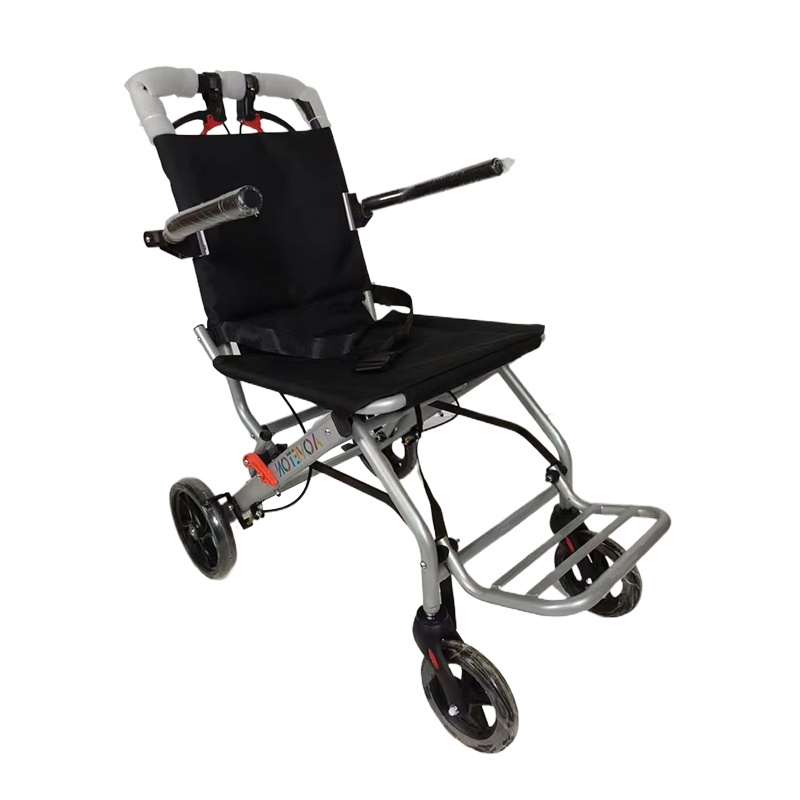
Manual wheelchairs are vital tools designed to enhance mobility and independence for individuals with limited physical abilities. Unlike powered wheelchairs, manual wheelchairs rely on the user or an assistant to propel them forward, making them a cost-effective and versatile option for many. Understanding the key features, benefits, and selection criteria for manual wheelchairs can significantly aid healthcare professionals and caregivers in making informed decisions for their clients.
One of the primary benefits of manual wheelchairs is their lightweight design, which enhances maneuverability. This characteristic allows users to navigate through tight spaces, such as narrow doorways and crowded areas, with relative ease. Additionally, many manual wheelchairs are foldable, facilitating convenient transport and storage. This feature is especially beneficial for individuals who frequently travel or require a wheelchair for short-term use.
Comfort is another important aspect to consider when selecting a manual wheelchair. Models vary in seat width, depth, and cushion materials. Ergonomic designs can help reduce the risk of pressure sores and improve overall user comfort. Healthcare professionals should assess the user's specific needs, including posture and physical condition, to recommend the most suitable wheelchair.
Another critical factor to consider is the chair’s maneuverability. Features such as adjustable footrests and armrests can enhance user comfort and accessibility. Moreover, wheel size and configuration (e.g., quick-release wheels) play a significant role in how well the wheelchair performs on different terrains. Larger wheels may provide better performance outdoors, while smaller wheels may be more suitable for indoor use.
Durability and maintenance are also paramount when discussing manual wheelchairs. Users should choose models made from high-quality materials to ensure longevity. Regular maintenance, including tire inflation and brake checks, is essential to ensure the wheelchair operates safely and efficiently. Healthcare professionals should educate clients and caregivers on these maintenance practices to prolong the life of the wheelchair.
Finally, it is vital to consider the individual's lifestyle and preferences. Some may prefer a lightweight, sporty manual wheelchair for active lifestyles, while others may benefit from a more robust, all-terrain model. The right choice ultimately depends on the user’s daily activities, environment, and personal comfort.
In conclusion, manual wheelchairs serve as invaluable resources for enhancing mobility and independence. By understanding their features, benefits, and the various options available, healthcare professionals can better assist clients in selecting the most appropriate manual wheelchair, ultimately improving their quality of life.
One of the primary benefits of manual wheelchairs is their lightweight design, which enhances maneuverability. This characteristic allows users to navigate through tight spaces, such as narrow doorways and crowded areas, with relative ease. Additionally, many manual wheelchairs are foldable, facilitating convenient transport and storage. This feature is especially beneficial for individuals who frequently travel or require a wheelchair for short-term use.
Comfort is another important aspect to consider when selecting a manual wheelchair. Models vary in seat width, depth, and cushion materials. Ergonomic designs can help reduce the risk of pressure sores and improve overall user comfort. Healthcare professionals should assess the user's specific needs, including posture and physical condition, to recommend the most suitable wheelchair.
Another critical factor to consider is the chair’s maneuverability. Features such as adjustable footrests and armrests can enhance user comfort and accessibility. Moreover, wheel size and configuration (e.g., quick-release wheels) play a significant role in how well the wheelchair performs on different terrains. Larger wheels may provide better performance outdoors, while smaller wheels may be more suitable for indoor use.
Durability and maintenance are also paramount when discussing manual wheelchairs. Users should choose models made from high-quality materials to ensure longevity. Regular maintenance, including tire inflation and brake checks, is essential to ensure the wheelchair operates safely and efficiently. Healthcare professionals should educate clients and caregivers on these maintenance practices to prolong the life of the wheelchair.
Finally, it is vital to consider the individual's lifestyle and preferences. Some may prefer a lightweight, sporty manual wheelchair for active lifestyles, while others may benefit from a more robust, all-terrain model. The right choice ultimately depends on the user’s daily activities, environment, and personal comfort.
In conclusion, manual wheelchairs serve as invaluable resources for enhancing mobility and independence. By understanding their features, benefits, and the various options available, healthcare professionals can better assist clients in selecting the most appropriate manual wheelchair, ultimately improving their quality of life.
TAG:


Tel/WhatsApp
E-mail: ceo@kaishangmedical.com
Phone: +86-15031821611
Add: Jizhou District, Hengshui City,Hebei Province, China
Request Quote
Get a free quote