

Hengshui Kaishang Medical Equipment Co., Ltd.
The Essential Guide to Manual Medical Beds for Patient Care
Manual medical beds play a pivotal role in patient care environments, offering comfort, safety, and ease of use for both patients and healthcare providers. These beds are designed to facilitate various medical needs while ensuring that patients receive adequate support and care. Unlike their electric counterparts, manual beds are operated using mechanical levers and hand cranks, which can be benef
May 30,2026


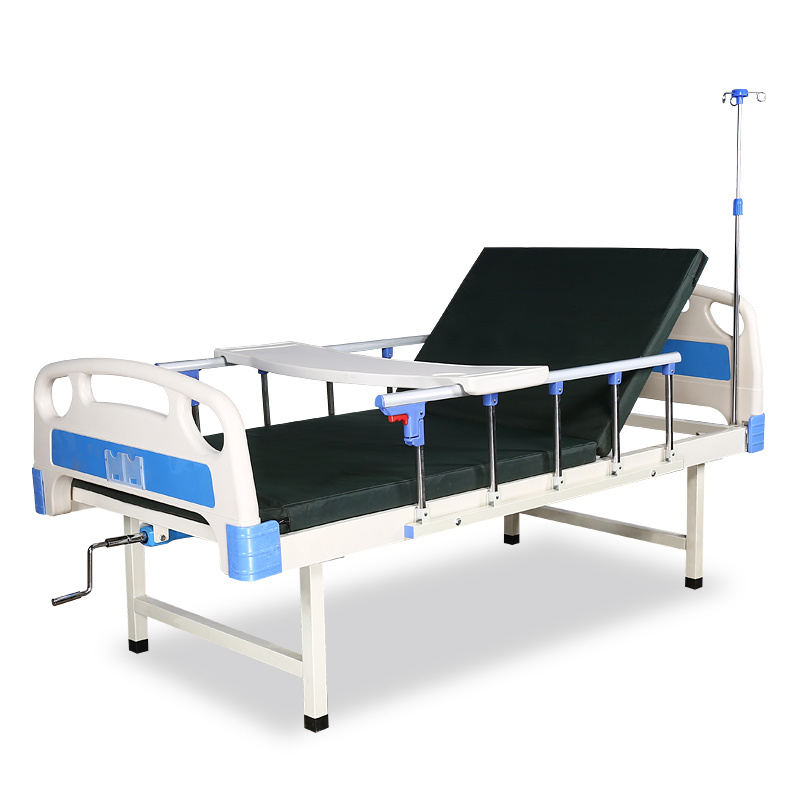
Manual medical beds play a pivotal role in patient care environments, offering comfort, safety, and ease of use for both patients and healthcare providers. These beds are designed to facilitate various medical needs while ensuring that patients receive adequate support and care. Unlike their electric counterparts, manual beds are operated using mechanical levers and hand cranks, which can be beneficial in situations where electricity is unavailable or during power outages.
One of the primary advantages of manual medical beds is their cost-effectiveness. They typically require less maintenance compared to electric beds and can be a more budget-friendly option for healthcare facilities, particularly those operating with limited financial resources. Additionally, manual medical beds provide greater control in terms of positioning, as caregivers can easily adjust the height and angle of the bed to meet specific patient needs.
Ergonomics is another critical aspect to consider when selecting a manual medical bed. The design should prioritize ease of access for both patients and caregivers. For instance, adjustable height features can assist users in transferring patients safely, reducing the risk of injury. Furthermore, beds that include side rails enhance patient security, preventing falls and contributing to a safer environment.
When choosing a manual medical bed, healthcare professionals should also consider the weight capacity and durability of the materials used in construction. A robust bed frame is essential for supporting patients of varying sizes and ensuring long-term use in a hospital or care facility. Materials should be easy to clean and resistant to wear, maintaining hygiene and safety standards.
Another key feature to assess is the mattress compatibility. A high-quality mattress specifically designed for medical beds can improve patient comfort and promote better health outcomes. Pressure-relieving mattresses can prevent bedsores and enhance recovery, making it imperative to pair the right mattress with the chosen manual medical bed.
In summary, manual medical beds are an essential component of patient care, offering reliable support and flexibility for healthcare providers. Understanding their features, benefits, and practical applications can significantly enhance the quality of care delivered in clinical settings. Professionals in the medical and healthcare fields should remain informed about the latest advancements and best practices related to manual medical beds to ensure optimal patient outcomes. By prioritizing ergonomics, durability, and comfort, healthcare facilities can create a more effective and compassionate care environment.
One of the primary advantages of manual medical beds is their cost-effectiveness. They typically require less maintenance compared to electric beds and can be a more budget-friendly option for healthcare facilities, particularly those operating with limited financial resources. Additionally, manual medical beds provide greater control in terms of positioning, as caregivers can easily adjust the height and angle of the bed to meet specific patient needs.
Ergonomics is another critical aspect to consider when selecting a manual medical bed. The design should prioritize ease of access for both patients and caregivers. For instance, adjustable height features can assist users in transferring patients safely, reducing the risk of injury. Furthermore, beds that include side rails enhance patient security, preventing falls and contributing to a safer environment.
When choosing a manual medical bed, healthcare professionals should also consider the weight capacity and durability of the materials used in construction. A robust bed frame is essential for supporting patients of varying sizes and ensuring long-term use in a hospital or care facility. Materials should be easy to clean and resistant to wear, maintaining hygiene and safety standards.
Another key feature to assess is the mattress compatibility. A high-quality mattress specifically designed for medical beds can improve patient comfort and promote better health outcomes. Pressure-relieving mattresses can prevent bedsores and enhance recovery, making it imperative to pair the right mattress with the chosen manual medical bed.
In summary, manual medical beds are an essential component of patient care, offering reliable support and flexibility for healthcare providers. Understanding their features, benefits, and practical applications can significantly enhance the quality of care delivered in clinical settings. Professionals in the medical and healthcare fields should remain informed about the latest advancements and best practices related to manual medical beds to ensure optimal patient outcomes. By prioritizing ergonomics, durability, and comfort, healthcare facilities can create a more effective and compassionate care environment.
TAG:


Tel/WhatsApp
E-mail: ceo@kaishangmedical.com
Phone: +86-15031821611
Add: Jizhou District, Hengshui City,Hebei Province, China
Request Quote
Get a free quote