

Hengshui Kaishang Medical Equipment Co., Ltd.
The Future of Hospital Wards: Electric Medical Bed Technologies
The Future of Hospital Wards: Electric Medical Bed Technologies
Table of Contents
Introduction to Electric Medical Bed Technologies
The Importance of Electric Medical Beds in Modern Healthcare
Technological Advances Shaping Electric Medical Beds
Key Benefits of Electric Medical Beds
Challenges in Implementing Electric Medical Bed Technologies
Future Trends in Electric Medi
May 29,2026


The Future of Hospital Wards: Electric Medical Bed Technologies
Table of Contents
- Introduction to Electric Medical Bed Technologies
- The Importance of Electric Medical Beds in Modern Healthcare
- Technological Advances Shaping Electric Medical Beds
- Key Benefits of Electric Medical Beds
- Challenges in Implementing Electric Medical Bed Technologies
- Future Trends in Electric Medical Bed Technologies
- Understanding the Costs of Electric Medical Beds
- Best Practices for Integrating Electric Medical Beds in Hospital Wards
- Conclusion: Embracing the Future of Hospital Wards
- Frequently Asked Questions
Introduction to Electric Medical Bed Technologies
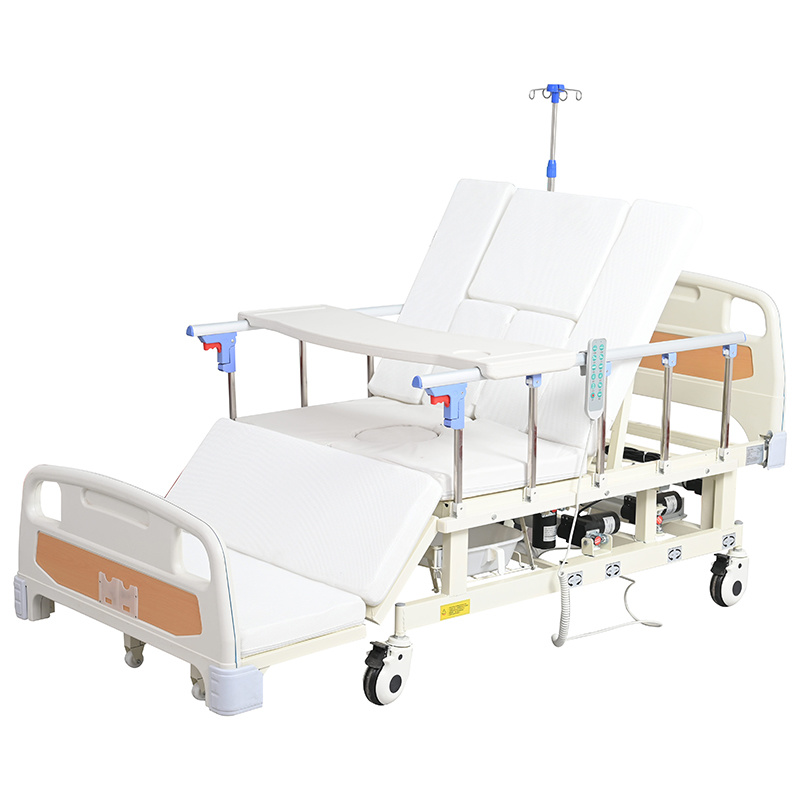
Electric medical beds have become cornerstones in modern hospital wards, designed to elevate both patient comfort and healthcare delivery. Unlike traditional hospital beds, these advanced beds incorporate electric mechanisms that allow for a variety of adjustments, catering to the diverse needs of patients and healthcare providers alike. As we delve deeper into the realm of **electric medical bed technologies**, we will explore how they are reshaping patient care and contributing to efficient hospital operations.
The Importance of Electric Medical Beds in Modern Healthcare
Electric medical beds are essential in enhancing the quality of patient care. Their importance stems from several factors:
1. **Enhanced Patient Comfort**: Adjustability features allow patients to find comfortable positions, which is crucial for recovery.
2. **Improved Clinical Outcomes**: Beds that can be positioned to assist with mobility contribute to better recovery rates by reducing complications related to immobility.
3. **Increased Staff Efficiency**: Automated features enable healthcare professionals to perform tasks more efficiently, minimizing physical strain and maximizing time spent on direct patient care.
4. **Adaptability**: These beds can be tailored to meet the needs of various patients, including those with specific medical conditions, thus enhancing overall care quality.
Technological Advances Shaping Electric Medical Beds
The evolution of electric medical beds has been driven by technological advancements. Key features include:
Smart Technology Integration
The integration of smart technology into electric medical beds allows for real-time monitoring of patient vitals and conditions. This capability enables healthcare providers to respond swiftly to changes in a patient’s health.
Remote Control and Automation
Modern electric beds come equipped with remote controls, allowing patients and staff to adjust positions with ease. Automated settings can also be programmed for specific patient needs, further enhancing comfort and care.
Advanced Safety Features
Safety is paramount in healthcare. Electric medical beds now include features such as side rails, automatic brakes, and fall detection systems that help prevent patient accidents.
Key Benefits of Electric Medical Beds
Exploring the benefits of electric medical beds offers insights into why they are becoming increasingly prevalent in healthcare facilities.
Enhanced Patient Mobility
Patients can easily change positions without needing assistance, promoting independence and dignity.
Facilitated Caregiving
Healthcare professionals can adjust beds to ergonomic heights, reducing the risk of injury while providing care.
Reduced Risk of Bedsores
The ability to reposition patients frequently helps minimize the risk of pressure ulcers, a common concern for immobilized patients.
Efficient Space Management
Electric beds often come with features that minimize their footprint, allowing for better use of space in crowded hospital wards.
Challenges in Implementing Electric Medical Bed Technologies
While electric medical beds offer numerous advantages, hospitals face challenges in their implementation.
Initial Costs
The upfront investment for electric beds can be significant, posing a barrier for some healthcare facilities, especially smaller ones.
Maintenance and Repairs
Regular maintenance is essential to ensure functionality. A lack of trained staff for repairs can lead to downtime and associated costs.
Staff Training
Healthcare staff must be adequately trained to use advanced bed functionalities, which can require time and resources.
Future Trends in Electric Medical Bed Technologies
The future of electric medical beds looks promising, with trends that focus on further enhancing patient care and operational efficiency.
Integration with Telehealth Services
As telehealth continues to grow, the integration of electric medical beds with telehealth systems will allow for remote monitoring and consultations, providing timely interventions.
Personalized Patient Care
The use of data analytics to personalize bed settings according to individual patient needs will become more prevalent, offering tailored support and improving outcomes.
Sustainability Initiatives
With a growing emphasis on sustainability, manufacturers are focusing on eco-friendly materials and energy-efficient models.
Understanding the Costs of Electric Medical Beds
The costs associated with electric medical beds can vary significantly based on features, brand, and technology level.
Price Ranges
Entry-level electric beds may start around $1,500, while high-end models with advanced features can exceed $10,000.
Long-term Investment
Considering the benefits, electric medical beds are often viewed as a long-term investment that can lead to significant savings in operational costs through improved patient outcomes and reduced labor.
Best Practices for Integrating Electric Medical Beds in Hospital Wards
To maximize the benefits of electric medical beds, hospitals should consider the following best practices:
Comprehensive Training Programs
Implementing thorough training for all staff members ensures that they are familiar with the equipment’s functionalities, enhancing patient care and safety.
Regular Maintenance Schedules
Establishing regular maintenance protocols prevents equipment failure, ensuring beds remain in optimal working condition.
Patient-Centric Design
Choosing beds that cater to the specific demographics of the patient population will enhance their effectiveness and overall satisfaction.
Conclusion: Embracing the Future of Hospital Wards
The future of hospital wards is undoubtedly influenced by the integration of electric medical bed technologies. As we advance, these innovative solutions will continue to enhance patient comfort, improve caregiving efficiency, and foster better health outcomes. By staying abreast of technological developments and implementing best practices, healthcare facilities can harness the full potential of electric medical beds, ensuring a brighter future for hospital care.
Frequently Asked Questions
1. What are the key features of electric medical beds?
Electric medical beds typically include adjustable height, backrest, and leg positions, smart technology integration, and safety features like side rails and automatic braking systems.
2. Are electric medical beds worth the investment?
Yes, while the initial cost may be higher, the long-term benefits in terms of patient comfort, improved recovery rates, and staff efficiency typically outweigh the investment.
3. How often should electric medical beds be maintained?
Regular maintenance should be performed at least once a year, along with checks every few months to ensure all functions are operating correctly.
4. Can electric medical beds reduce the risk of bedsores?
Yes, the ability to adjust the bed position frequently helps in reducing pressure points, thus lowering the risk of developing bedsores.
5. What is the future of electric medical bed technologies?
Future trends include increased integration with telehealth services, personalized care through data analytics, and a focus on sustainability in manufacturing practices.
This comprehensive exploration aims to equip healthcare professionals with the knowledge necessary to understand and adopt electric medical bed technologies, ensuring that hospital wards evolve to meet the needs of patients today and in the future.
TAG:


Tel/WhatsApp
E-mail: ceo@kaishangmedical.com
Phone: +86-15031821611
Add: Jizhou District, Hengshui City,Hebei Province, China
Request Quote
Get a free quote