

Hengshui Kaishang Medical Equipment Co., Ltd.
Understanding Manual Medical Beds: Features, Benefits, and Best Practices
Manual medical beds are versatile, adjustable beds primarily used in hospitals and long-term care facilities. Unlike their electric counterparts, manual medical beds rely on a mechanical system to adjust the height and positioning of the bed, making them a practical choice in various healthcare environments. Here we delve into their significance and functionality.
### Key Features
1. **Adjustabili
May 10,2026


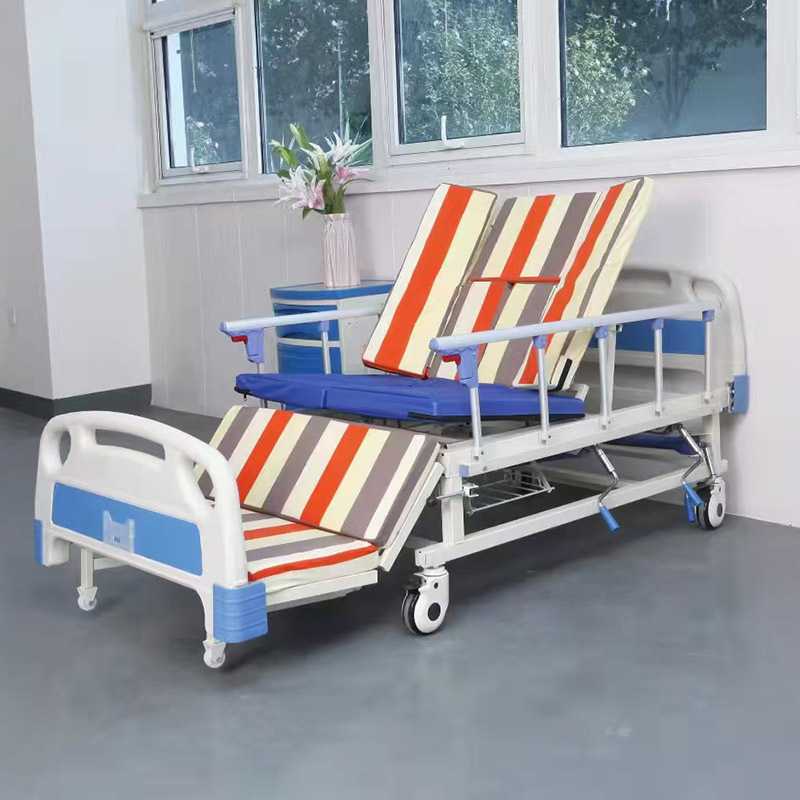
Manual medical beds are versatile, adjustable beds primarily used in hospitals and long-term care facilities. Unlike their electric counterparts, manual medical beds rely on a mechanical system to adjust the height and positioning of the bed, making them a practical choice in various healthcare environments. Here we delve into their significance and functionality.
### Key Features
1. **Adjustability**: Manual medical beds typically come with multiple adjustment points, allowing caregivers to elevate or lower the head and foot sections of the bed. This feature is crucial for patient comfort, making it easier for individuals to sit up, rest in a reclined position, or even elevate their legs to improve circulation.
2. **Sturdiness**: These beds are designed with robust materials that offer durability and stability. This is essential, particularly in critical care settings where patient safety is paramount.
3. **Ease of Use**: Manual medical beds often have simple hand cranks or levers that caregivers can operate without requiring electrical power. This characteristic is especially beneficial in areas prone to power outages or in situations where electricity is limited.
4. **Compatibility with Accessories**: Many manual beds are compatible with various medical accessories, such as bed rails, IV poles, and mattresses designed for specific medical conditions, enhancing their utility in patient care.
### Benefits
- **Cost-Effectiveness**: Since manual medical beds do not require electrical components, they are often more affordable and may incur lower maintenance costs over time.
- **Reliability**: Without reliance on electrical systems, these beds reduce the risk of malfunctions, ensuring that they can be used reliably in a variety of settings.
- **Patient-Centric Care**: The ability to adjust the positioning of the bed allows caregivers to provide personalized care tailored to each patient’s needs. This is particularly beneficial for individuals with mobility issues or those recovering from surgery.
### Best Practices for Use
1. **Regular Maintenance**: While manual beds are known for their durability, regular inspections and maintenance are crucial to ensure that all mechanical components operate smoothly.
2. **Staff Training**: Proper training for staff on how to operate manual medical beds effectively can enhance their benefits, minimizing risk and ensuring patient safety.
3. **Patient Assessment**: Regularly assess patients to determine their comfort needs and adjust the bed accordingly, ensuring optimal positioning for recovery.
In conclusion, manual medical beds play a vital role in enhancing patient care in healthcare settings. Their adjustable features, cost-effectiveness, and reliability make them a preferred choice for many facilities. By understanding their functionalities and best practices, healthcare professionals can maximize the benefits these beds offer, ultimately improving patient outcomes and satisfaction.
### Key Features
1. **Adjustability**: Manual medical beds typically come with multiple adjustment points, allowing caregivers to elevate or lower the head and foot sections of the bed. This feature is crucial for patient comfort, making it easier for individuals to sit up, rest in a reclined position, or even elevate their legs to improve circulation.
2. **Sturdiness**: These beds are designed with robust materials that offer durability and stability. This is essential, particularly in critical care settings where patient safety is paramount.
3. **Ease of Use**: Manual medical beds often have simple hand cranks or levers that caregivers can operate without requiring electrical power. This characteristic is especially beneficial in areas prone to power outages or in situations where electricity is limited.
4. **Compatibility with Accessories**: Many manual beds are compatible with various medical accessories, such as bed rails, IV poles, and mattresses designed for specific medical conditions, enhancing their utility in patient care.
### Benefits
- **Cost-Effectiveness**: Since manual medical beds do not require electrical components, they are often more affordable and may incur lower maintenance costs over time.
- **Reliability**: Without reliance on electrical systems, these beds reduce the risk of malfunctions, ensuring that they can be used reliably in a variety of settings.
- **Patient-Centric Care**: The ability to adjust the positioning of the bed allows caregivers to provide personalized care tailored to each patient’s needs. This is particularly beneficial for individuals with mobility issues or those recovering from surgery.
### Best Practices for Use
1. **Regular Maintenance**: While manual beds are known for their durability, regular inspections and maintenance are crucial to ensure that all mechanical components operate smoothly.
2. **Staff Training**: Proper training for staff on how to operate manual medical beds effectively can enhance their benefits, minimizing risk and ensuring patient safety.
3. **Patient Assessment**: Regularly assess patients to determine their comfort needs and adjust the bed accordingly, ensuring optimal positioning for recovery.
In conclusion, manual medical beds play a vital role in enhancing patient care in healthcare settings. Their adjustable features, cost-effectiveness, and reliability make them a preferred choice for many facilities. By understanding their functionalities and best practices, healthcare professionals can maximize the benefits these beds offer, ultimately improving patient outcomes and satisfaction.
TAG:
PREVIOUS:


Tel/WhatsApp
E-mail: ceo@kaishangmedical.com
Phone: +86-15031821611
Add: Jizhou District, Hengshui City,Hebei Province, China
Request Quote
Get a free quote