

Hengshui Kaishang Medical Equipment Co., Ltd.
Essential Insights into Manual Wheelchairs: A Guide for Professionals in Rehabilitation Equipment
Manual wheelchairs are essential tools in the realm of rehabilitation, offering individuals with mobility impairments the ability to navigate their environment more independently. As a professional in the healthcare or rehabilitation equipment field, understanding the intricacies of manual wheelchairs is crucial for making informed recommendations to clients and patients.
First and foremost, manua
May 08,2026


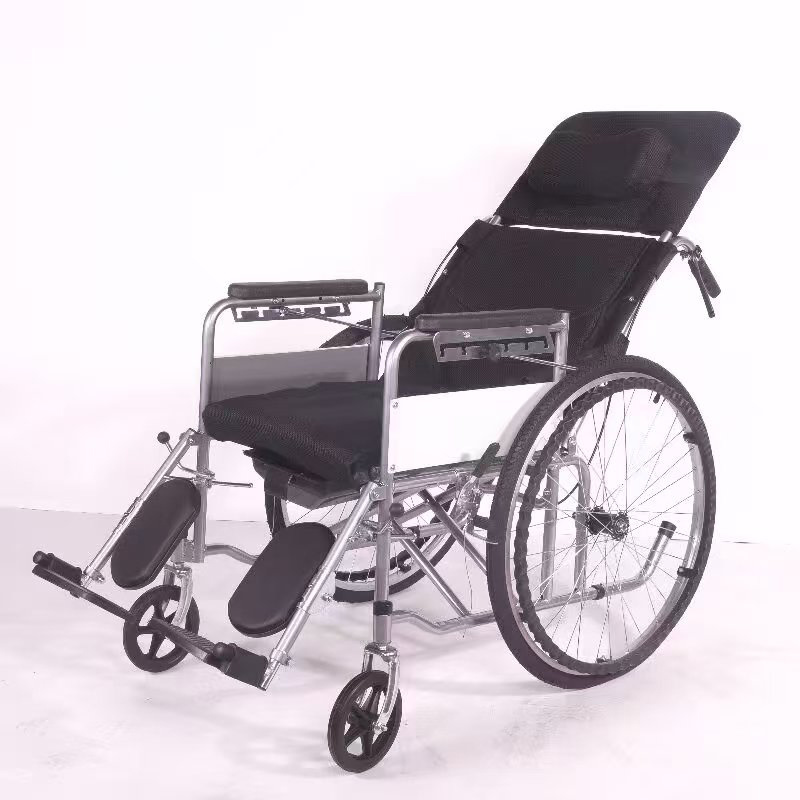
Manual wheelchairs are essential tools in the realm of rehabilitation, offering individuals with mobility impairments the ability to navigate their environment more independently. As a professional in the healthcare or rehabilitation equipment field, understanding the intricacies of manual wheelchairs is crucial for making informed recommendations to clients and patients.
First and foremost, manual wheelchairs come in various designs, each tailored to meet different user needs. Standard models are equipped with basic features for general use, while lightweight options are designed for enhanced maneuverability. Specialized manual wheelchairs cater to specific conditions, such as sports wheelchairs for athletes or pediatric models for children. Familiarizing yourself with these options will enable you to better assist clients in choosing the right wheelchair based on their unique requirements.
One of the primary advantages of manual wheelchairs is their affordability compared to powered alternatives. They also offer better durability and lower maintenance costs, making them a sensible choice for many users. Furthermore, manual wheelchairs promote physical activity; users engage their upper body strength, which can contribute positively to their overall health and fitness.
When recommending a manual wheelchair, it is essential to consider the user's lifestyle and environment. For instance, individuals who often navigate tight spaces or uneven terrain may benefit from a compact design or features such as adjustable seating and removable armrests. Additionally, weight is a significant factor; a lightweight wheelchair can greatly enhance mobility and ease of transport.
Adjustability in manual wheelchairs is another crucial aspect. Many models allow modifications to seat height, backrest angle, and footrest position, ensuring a customized fit that provides comfort and support. Proper fit is essential not only for user comfort but also for preventing secondary health issues, such as pressure sores or musculoskeletal pain.
Training on how to use manual wheelchairs effectively is equally important. Users should be educated on techniques for safe maneuvering, including how to navigate slopes, curbs, and doorways. Proper training can significantly improve their confidence and independence in using the wheelchair.
In conclusion, manual wheelchairs represent an integral component of mobility solutions within the healthcare and rehabilitation sectors. By understanding their various features, benefits, and considerations, professionals can provide better guidance and support to their clients. This knowledge ultimately enhances mobility, independence, and quality of life for users, making it a vital area of expertise for any rehabilitation equipment provider.
First and foremost, manual wheelchairs come in various designs, each tailored to meet different user needs. Standard models are equipped with basic features for general use, while lightweight options are designed for enhanced maneuverability. Specialized manual wheelchairs cater to specific conditions, such as sports wheelchairs for athletes or pediatric models for children. Familiarizing yourself with these options will enable you to better assist clients in choosing the right wheelchair based on their unique requirements.
One of the primary advantages of manual wheelchairs is their affordability compared to powered alternatives. They also offer better durability and lower maintenance costs, making them a sensible choice for many users. Furthermore, manual wheelchairs promote physical activity; users engage their upper body strength, which can contribute positively to their overall health and fitness.
When recommending a manual wheelchair, it is essential to consider the user's lifestyle and environment. For instance, individuals who often navigate tight spaces or uneven terrain may benefit from a compact design or features such as adjustable seating and removable armrests. Additionally, weight is a significant factor; a lightweight wheelchair can greatly enhance mobility and ease of transport.
Adjustability in manual wheelchairs is another crucial aspect. Many models allow modifications to seat height, backrest angle, and footrest position, ensuring a customized fit that provides comfort and support. Proper fit is essential not only for user comfort but also for preventing secondary health issues, such as pressure sores or musculoskeletal pain.
Training on how to use manual wheelchairs effectively is equally important. Users should be educated on techniques for safe maneuvering, including how to navigate slopes, curbs, and doorways. Proper training can significantly improve their confidence and independence in using the wheelchair.
In conclusion, manual wheelchairs represent an integral component of mobility solutions within the healthcare and rehabilitation sectors. By understanding their various features, benefits, and considerations, professionals can provide better guidance and support to their clients. This knowledge ultimately enhances mobility, independence, and quality of life for users, making it a vital area of expertise for any rehabilitation equipment provider.
TAG:
PREVIOUS:


Tel/WhatsApp
E-mail: ceo@kaishangmedical.com
Phone: +86-15031821611
Add: Jizhou District, Hengshui City,Hebei Province, China
Request Quote
Get a free quote