

Hengshui Kaishang Medical Equipment Co., Ltd.
Essential Insights on Manual Wheelchairs for Enhanced Patient Mobility
Manual wheelchairs play a crucial role in improving patient mobility, enabling individuals with limited movement to regain independence and participate in daily activities. Understanding the various aspects of manual wheelchairs is essential for caregivers and healthcare providers to make informed decisions that cater to the specific needs of patients.
One of the primary advantages of manual wheel
Apr 23,2026


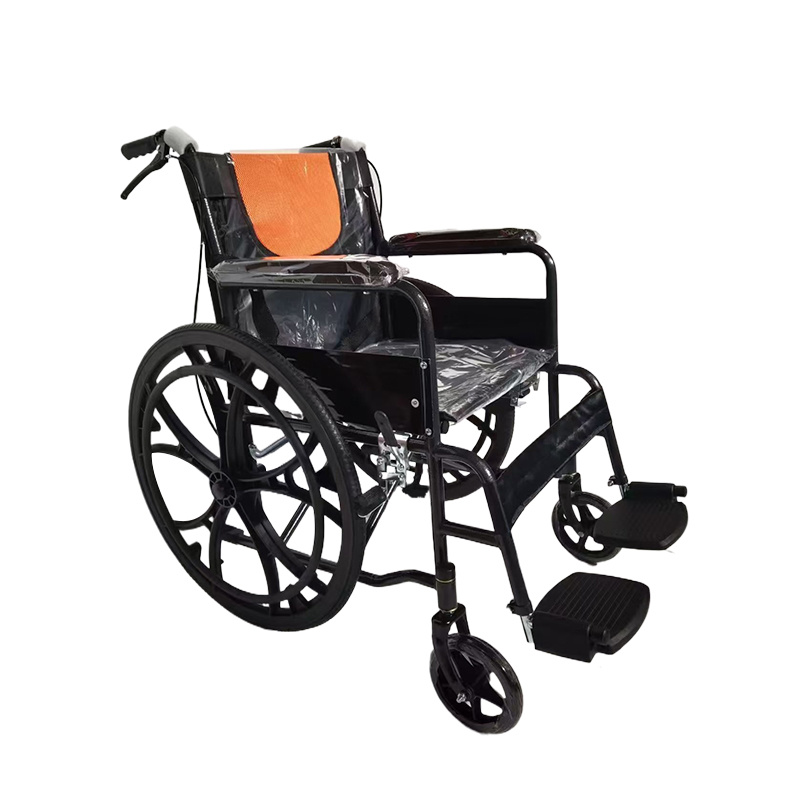
Manual wheelchairs play a crucial role in improving patient mobility, enabling individuals with limited movement to regain independence and participate in daily activities. Understanding the various aspects of manual wheelchairs is essential for caregivers and healthcare providers to make informed decisions that cater to the specific needs of patients.
One of the primary advantages of manual wheelchairs is their lightweight design, which allows for easier maneuverability. Patients can either self-propel the wheelchair using their upper body strength or rely on a caregiver for assistance. This flexibility makes manual wheelchairs an excellent choice for individuals who require mobility support but still possess some upper body strength.
When selecting a manual wheelchair, it’s important to consider various features that can enhance usability. For instance, adjustable armrests and footrests can improve comfort, while quick-release wheels make transporting the wheelchair simpler. Additionally, some models come with foldable frames, making them more convenient for storage and travel.
The seat width and depth also play a significant role in patient comfort. A properly fitted wheelchair can prevent pressure sores and other complications associated with prolonged sitting. As such, it's recommended that caregivers work with healthcare professionals to assess the patient’s measurements accurately before making a purchase.
In terms of functionality, manual wheelchairs can be equipped with various accessories such as cup holders, storage bags, or even specialized cushions to enhance comfort and convenience. For individuals who may spend extended periods in their wheelchairs, investing in cushions that provide better support and pressure relief is essential for overall well-being.
Moreover, manual wheelchairs can be customized to meet specific medical needs. Some models are designed with additional features like tilt-in-space capabilities or reclining backs for patients who require a more supportive posture or those who have difficulty with sitting upright for long periods.
Maintenance and care are also significant considerations when using manual wheelchairs. Regular checks on tire pressure, brakes, and overall condition are essential to ensure safety and functionality. Proper cleaning and storage practices can prolong the lifespan of the wheelchair and ensure that it remains in optimal working condition.
In conclusion, manual wheelchairs are invaluable tools for enhancing patient mobility. By understanding the features, benefits, and maintenance needs of these mobility aids, caregivers and healthcare professionals can better support individuals in their journey toward greater independence and quality of life. Investing time in selecting the right manual wheelchair can make a significant difference in the patient experience, facilitating a smoother transition to mobility and empowering them to engage actively in their daily lives.
One of the primary advantages of manual wheelchairs is their lightweight design, which allows for easier maneuverability. Patients can either self-propel the wheelchair using their upper body strength or rely on a caregiver for assistance. This flexibility makes manual wheelchairs an excellent choice for individuals who require mobility support but still possess some upper body strength.
When selecting a manual wheelchair, it’s important to consider various features that can enhance usability. For instance, adjustable armrests and footrests can improve comfort, while quick-release wheels make transporting the wheelchair simpler. Additionally, some models come with foldable frames, making them more convenient for storage and travel.
The seat width and depth also play a significant role in patient comfort. A properly fitted wheelchair can prevent pressure sores and other complications associated with prolonged sitting. As such, it's recommended that caregivers work with healthcare professionals to assess the patient’s measurements accurately before making a purchase.
In terms of functionality, manual wheelchairs can be equipped with various accessories such as cup holders, storage bags, or even specialized cushions to enhance comfort and convenience. For individuals who may spend extended periods in their wheelchairs, investing in cushions that provide better support and pressure relief is essential for overall well-being.
Moreover, manual wheelchairs can be customized to meet specific medical needs. Some models are designed with additional features like tilt-in-space capabilities or reclining backs for patients who require a more supportive posture or those who have difficulty with sitting upright for long periods.
Maintenance and care are also significant considerations when using manual wheelchairs. Regular checks on tire pressure, brakes, and overall condition are essential to ensure safety and functionality. Proper cleaning and storage practices can prolong the lifespan of the wheelchair and ensure that it remains in optimal working condition.
In conclusion, manual wheelchairs are invaluable tools for enhancing patient mobility. By understanding the features, benefits, and maintenance needs of these mobility aids, caregivers and healthcare professionals can better support individuals in their journey toward greater independence and quality of life. Investing time in selecting the right manual wheelchair can make a significant difference in the patient experience, facilitating a smoother transition to mobility and empowering them to engage actively in their daily lives.
TAG:
PREVIOUS:


Tel/WhatsApp
E-mail: ceo@kaishangmedical.com
Phone: +86-15031821611
Add: Jizhou District, Hengshui City,Hebei Province, China
Request Quote
Get a free quote