

Hengshui Kaishang Medical Equipment Co., Ltd.
Finding Freedom: How Electric Wheelchairs Enhance Clinical Rehabilitation
Finding Freedom: How Electric Wheelchairs Enhance Clinical Rehabilitation
Table of Contents
Introduction to Electric Wheelchairs in Rehabilitation
The Benefits of Electric Wheelchairs for Patients
How Electric Wheelchairs Work
Clinical Applications of Electric Wheelchairs
Electric Wheelchairs and Rehabilitation: A Deep Dive
Challenges in Electric Wheelchair Usage
The F
Apr 22,2026


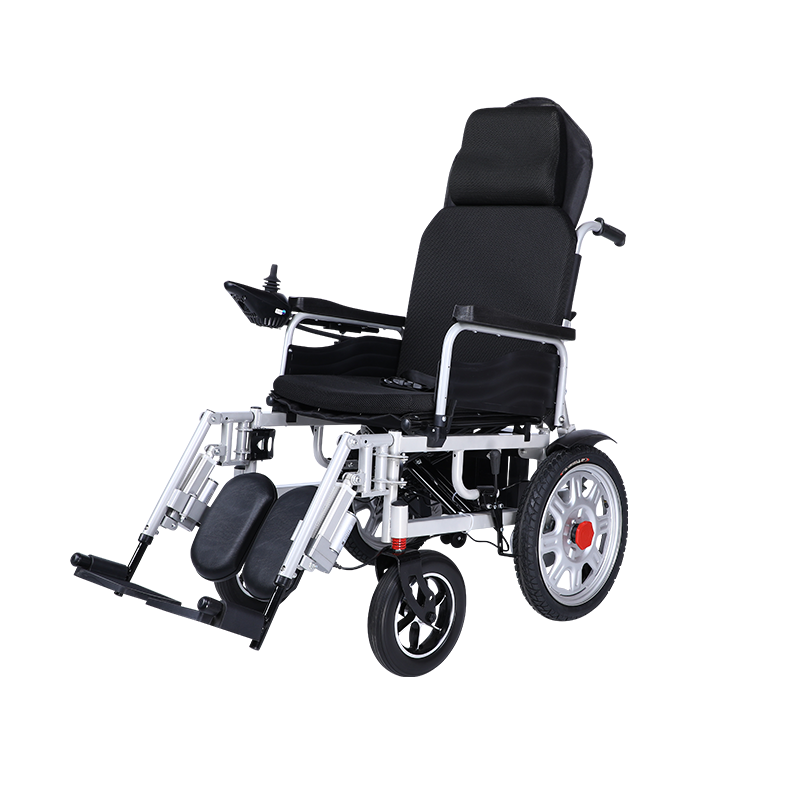
Finding Freedom: How Electric Wheelchairs Enhance Clinical Rehabilitation
Table of Contents
- Introduction to Electric Wheelchairs in Rehabilitation
- The Benefits of Electric Wheelchairs for Patients
- How Electric Wheelchairs Work
- Clinical Applications of Electric Wheelchairs
- Electric Wheelchairs and Rehabilitation: A Deep Dive
- Challenges in Electric Wheelchair Usage
- The Future of Electric Wheelchairs in Clinical Settings
- Frequently Asked Questions
- Conclusion
Introduction to Electric Wheelchairs in Rehabilitation
Electric wheelchairs have revolutionized the landscape of mobility solutions, particularly within clinical rehabilitation. These advanced devices provide patients with enhanced independence, allowing them to navigate their environments with greater ease. As healthcare professionals increasingly recognize the importance of mobility in recovery, electric wheelchairs have emerged as a crucial tool in rehabilitation settings.
The Benefits of Electric Wheelchairs for Patients
Electric wheelchairs offer numerous benefits, significantly enhancing the rehabilitation experience for patients. These advantages include:
Improved Mobility
For individuals with limited mobility due to injury or illness, electric wheelchairs provide unprecedented freedom. Patients can navigate both indoor and outdoor environments, which fosters a sense of autonomy and control over their lives.
Enhanced Comfort
Modern electric wheelchairs are designed with comfort in mind. Features such as adjustable seating, lumbar support, and customizable controls ensure that users can travel long distances without discomfort.
Increased Social Interaction
With improved mobility, patients can engage in social activities more easily. This interaction is vital for emotional well-being, particularly in rehabilitation, where patients often face isolation.
Personalized Rehabilitation
Electric wheelchairs can be tailored to meet individual needs. Clinicians can adjust settings and features to accommodate varying levels of mobility and strength, allowing for a more personalized rehabilitation approach.
Safety Features
Many electric wheelchairs come equipped with safety features such as anti-tip mechanisms, powered brakes, and obstacle detection systems. These enhancements minimize the risk of accidents, providing peace of mind to both patients and caregivers.
How Electric Wheelchairs Work
Understanding how electric wheelchairs function is essential for appreciating their role in rehabilitation.
Power Source
Electric wheelchairs are powered by rechargeable batteries that supply energy to the motors. These batteries can vary in capacity, allowing for extended use depending on the model.
Control Mechanisms
Users control electric wheelchairs through joysticks or other input devices. Advances in technology have introduced adaptive controls, enabling individuals with limited hand function to operate the chair effectively.
Mobility Systems
Electric wheelchairs employ sophisticated mobility systems that enhance maneuverability. Features such as tight turning radiuses and suspension systems allow users to navigate complex environments with ease.
Customization Options
Many electric wheelchairs offer extensive customization options, including adjustable seating positions, footrests, and armrests. This adaptability is crucial for addressing the diverse needs of patients during rehabilitation.
Clinical Applications of Electric Wheelchairs
Electric wheelchairs are utilized across various clinical settings, each with unique applications that enhance patient care and recovery.
Post-Surgical Rehabilitation
After surgery, patients often experience limited mobility. Electric wheelchairs facilitate mobility during this critical recovery phase, enabling patients to participate in physical therapy sessions more effectively.
Neurological Rehabilitation
Patients recovering from strokes or spinal cord injuries benefit significantly from electric wheelchairs. These devices provide a safe and efficient means of mobility, allowing therapists to focus on improving strength and coordination.
Geriatric Care
In geriatric rehabilitation, electric wheelchairs offer seniors increased independence. These devices help seniors maintain an active lifestyle, contributing positively to their overall health and mental well-being.
Pediatric Rehabilitation
Children with mobility challenges can also benefit from electric wheelchairs. Pediatric models are designed with safety and comfort in mind, promoting independence and socialization among young users.
Electric Wheelchairs and Rehabilitation: A Deep Dive
The integration of electric wheelchairs into rehabilitation programs enhances both physical and psychological recovery for patients.
Promoting Physical Health
Using electric wheelchairs promotes physical activity, even for those with limited mobility. Patients can engage in exercises that improve strength, coordination, and cardiovascular health, all while using their electric wheelchairs.
Psychological Benefits
Independence plays a significant role in psychological recovery. Electric wheelchairs empower patients to take control of their mobility, leading to improved self-esteem and reduced feelings of helplessness.
Facilitating Therapeutic Activities
Electric wheelchairs can be integrated into therapeutic activities, making physical therapy sessions more dynamic. Therapists can design mobility challenges that encourage patients to practice their skills in a supportive environment.
Challenges in Electric Wheelchair Usage
Despite their numerous advantages, electric wheelchairs also present certain challenges that practitioners must consider.
Cost Considerations
Electric wheelchairs can be expensive, and not all patients may have access to the necessary funding or insurance coverage. This financial barrier can prevent some individuals from obtaining the mobility aids they need.
Maintenance and Repair
Regular maintenance is essential to ensure the safe and efficient operation of electric wheelchairs. Patients or caregivers must be prepared to handle repairs and upkeep, which can be a burden for some families.
Training Requirements
Proper training on how to operate electric wheelchairs is crucial for safety. Healthcare providers must invest time in educating patients and caregivers about their usage, which can be challenging in busy clinical settings.
Physical Limitations
While electric wheelchairs enhance mobility, they may not be suitable for all patients. Some individuals may have physical limitations that prevent them from using these devices effectively.
The Future of Electric Wheelchairs in Clinical Settings
As technology continues to advance, the future of electric wheelchairs in clinical rehabilitation looks promising.
Smart Integration
The integration of smart technology into electric wheelchairs is on the rise. Features such as GPS tracking, health monitoring, and app connectivity are enhancing user experience and providing valuable data for healthcare providers.
Enhanced Customization
Future electric wheelchairs will likely offer even more customization options, allowing users to tailor their devices to their specific needs and preferences. This adaptability will further improve rehabilitation outcomes.
Sustainability Initiatives
As the healthcare industry focuses on sustainability, electric wheelchairs are becoming more energy-efficient, with eco-friendly materials and designs contributing to a reduced carbon footprint.
Increased Accessibility
Continued efforts to increase accessibility in public spaces will enhance the independence of electric wheelchair users. This development is crucial for promoting social inclusion and participation in community activities.
Frequently Asked Questions
1. What is the average cost of an electric wheelchair?
The cost of an electric wheelchair can vary significantly based on features and specifications, ranging from approximately $1,500 to over $30,000.
2. Are electric wheelchairs covered by insurance?
Many insurance plans provide coverage for electric wheelchairs, but coverage can vary. It is essential for patients to check with their specific insurance providers.
3. How long does the battery of an electric wheelchair last?
The lifespan of an electric wheelchair battery typically ranges from 1 to 3 years, depending on usage and maintenance.
4. Can electric wheelchairs be used outdoors?
Yes, many electric wheelchairs are designed for outdoor use, featuring robust wheels and suspension systems to navigate uneven terrain.
5. Do I need a prescription to purchase an electric wheelchair?
In most cases, a prescription is required to purchase an electric wheelchair, especially for insurance coverage. Consulting with a healthcare provider is recommended.
Conclusion
Electric wheelchairs are more than just mobility aids; they are vital instruments in the rehabilitation process. By providing patients with independence, comfort, and enhanced quality of life, electric wheelchairs play a crucial role in clinical rehabilitation settings. As technology continues to advance, the future promises even greater improvements in design, functionality, and accessibility, ensuring that individuals can find freedom and empowerment in their rehabilitation journeys.
TAG:
PREVIOUS:


Tel/WhatsApp
E-mail: ceo@kaishangmedical.com
Phone: +86-15031821611
Add: Jizhou District, Hengshui City,Hebei Province, China
Request Quote
Get a free quote