

Hengshui Kaishang Medical Equipment Co., Ltd.
The Essential Guide to Manual Medical Beds: Features and Benefits
Manual medical beds are an essential component in healthcare settings, particularly in hospitals, nursing homes, and home care environments. These beds are designed to facilitate patient comfort, safety, and ease of care, making them indispensable in medical practice. Understanding the features and benefits of manual medical beds can help caregivers make informed decisions when selecting the appro
Apr 21,2026


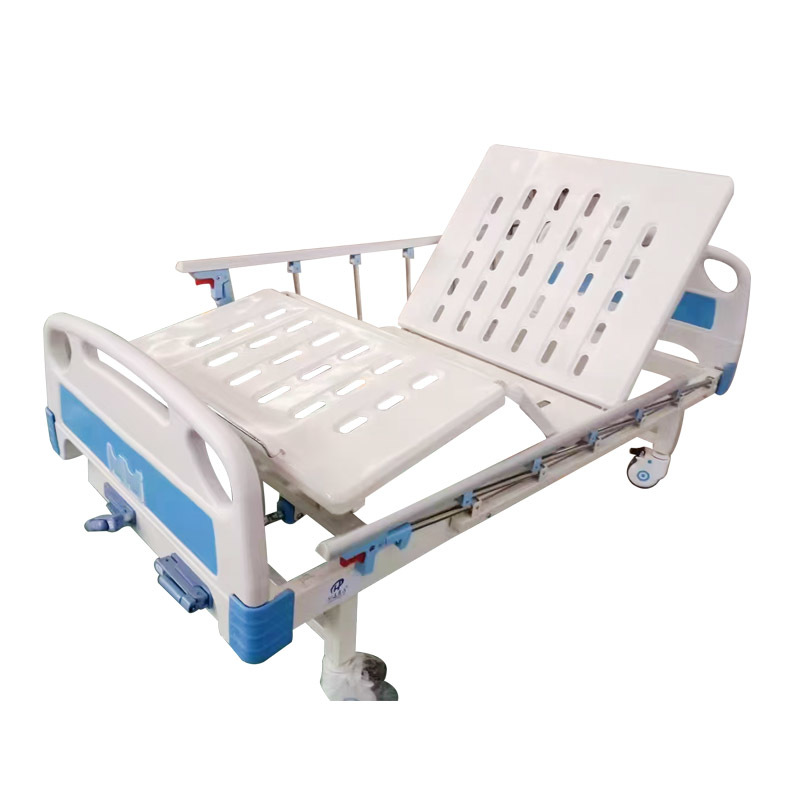
Manual medical beds are an essential component in healthcare settings, particularly in hospitals, nursing homes, and home care environments. These beds are designed to facilitate patient comfort, safety, and ease of care, making them indispensable in medical practice. Understanding the features and benefits of manual medical beds can help caregivers make informed decisions when selecting the appropriate bed for their patients.
One of the main features of a manual medical bed is its adjustable height and positioning capabilities. This bed allows caregivers to raise or lower the bed to meet the needs of the patient and facilitate easier access during treatment or routine care. Additionally, the head and foot sections of the bed can be adjusted manually to provide the desired position for comfort while sitting up, lying down, or performing therapeutic exercises.
Another significant advantage of manual medical beds is their durability and ease of maintenance. Constructed with high-quality materials, these beds can withstand daily use and are designed to support various weight capacities. The manual operation also minimizes the reliance on electrical components, reducing the risk of malfunction and ensuring that the bed remains operational even in the absence of power.
Manual medical beds typically come with safety features such as side rails, which help prevent accidental falls during patient transfers or rest. The side rails can be raised or lowered based on the patient's condition and mobility, providing an extra layer of security while also allowing for easy access when needed.
In addition to their functional benefits, manual medical beds are often more cost-effective than their electric counterparts. For healthcare facilities with budget constraints, manual beds offer a practical solution without compromising on the quality of patient care. Their simplicity and reliability make them an ideal choice for environments where budget and maintenance considerations are prevalent.
When selecting a manual medical bed, caregivers should consider factors such as the patient's specific medical condition, mobility requirements, and the anticipated duration of use. Assessing these elements will help in choosing a bed that best meets the individual's needs, ultimately improving their overall care experience.
In summary, manual medical beds play a crucial role in enhancing patient care within various healthcare settings. Their adjustable features, durability, safety components, and cost-effectiveness make them a valuable asset for both patients and caregivers. Understanding these aspects can empower healthcare providers to make informed choices, ensuring that they deliver the best possible care to their patients.
One of the main features of a manual medical bed is its adjustable height and positioning capabilities. This bed allows caregivers to raise or lower the bed to meet the needs of the patient and facilitate easier access during treatment or routine care. Additionally, the head and foot sections of the bed can be adjusted manually to provide the desired position for comfort while sitting up, lying down, or performing therapeutic exercises.
Another significant advantage of manual medical beds is their durability and ease of maintenance. Constructed with high-quality materials, these beds can withstand daily use and are designed to support various weight capacities. The manual operation also minimizes the reliance on electrical components, reducing the risk of malfunction and ensuring that the bed remains operational even in the absence of power.
Manual medical beds typically come with safety features such as side rails, which help prevent accidental falls during patient transfers or rest. The side rails can be raised or lowered based on the patient's condition and mobility, providing an extra layer of security while also allowing for easy access when needed.
In addition to their functional benefits, manual medical beds are often more cost-effective than their electric counterparts. For healthcare facilities with budget constraints, manual beds offer a practical solution without compromising on the quality of patient care. Their simplicity and reliability make them an ideal choice for environments where budget and maintenance considerations are prevalent.
When selecting a manual medical bed, caregivers should consider factors such as the patient's specific medical condition, mobility requirements, and the anticipated duration of use. Assessing these elements will help in choosing a bed that best meets the individual's needs, ultimately improving their overall care experience.
In summary, manual medical beds play a crucial role in enhancing patient care within various healthcare settings. Their adjustable features, durability, safety components, and cost-effectiveness make them a valuable asset for both patients and caregivers. Understanding these aspects can empower healthcare providers to make informed choices, ensuring that they deliver the best possible care to their patients.
TAG:
PREVIOUS:


Tel/WhatsApp
E-mail: ceo@kaishangmedical.com
Phone: +86-15031821611
Add: Jizhou District, Hengshui City,Hebei Province, China
Request Quote
Get a free quote