

Hengshui Kaishang Medical Equipment Co., Ltd.
Choosing the Right Manual Wheelchair: A Comprehensive Guide for Users
Manual wheelchairs are essential mobility aids designed to provide independence and ease of movement for users with various mobility challenges. Unlike electric wheelchairs, manual wheelchairs are propelled by the user or an attendant, offering a combination of physical exercise and self-sufficiency. Understanding the key components and features of manual wheelchairs can help individuals make info
Apr 19,2026


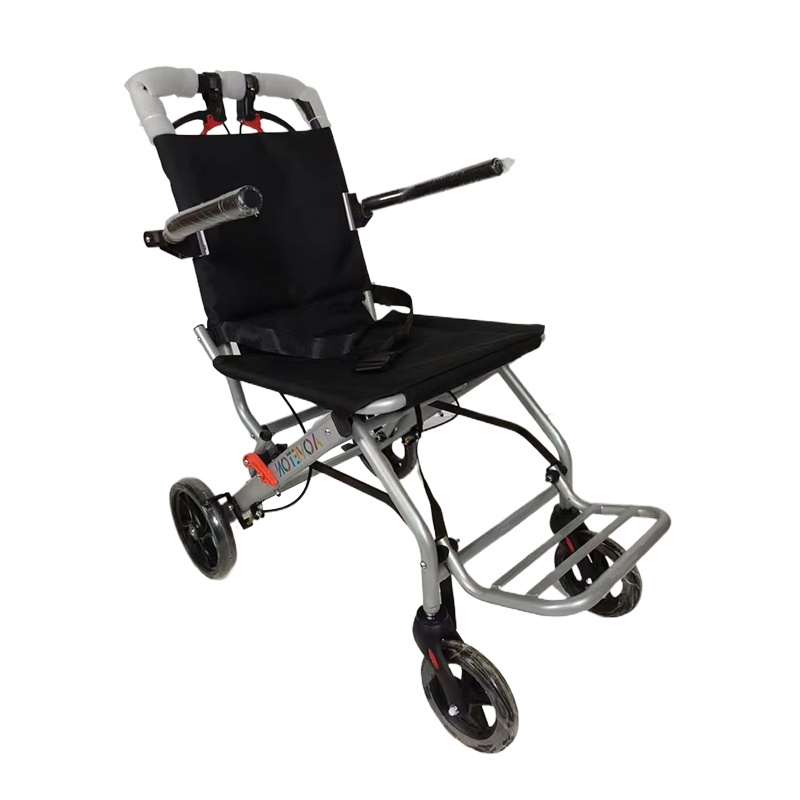
Manual wheelchairs are essential mobility aids designed to provide independence and ease of movement for users with various mobility challenges. Unlike electric wheelchairs, manual wheelchairs are propelled by the user or an attendant, offering a combination of physical exercise and self-sufficiency. Understanding the key components and features of manual wheelchairs can help individuals make informed decisions that suit their personal needs and lifestyles.
When selecting a manual wheelchair, several factors come into play. First, consider the weight of the wheelchair. Lighter models are generally easier to maneuver and transport, making them ideal for individuals who need to lift the wheelchair frequently. However, durability is equally important; look for materials like aluminum or titanium that balance weight with strength.
Seat width and depth are critical for comfort and proper posture. A wheelchair that is too narrow can lead to pressure sores, while one that is too wide may hinder mobility. It is advisable to consult with a healthcare professional to determine the right dimensions based on individual body measurements.
The type of wheels is another significant aspect. Solid tires are low maintenance and suitable for indoor use, while pneumatic tires offer better shock absorption for outdoor terrains. Additionally, wheel sizes can influence speed and stability, with larger wheels providing better performance on uneven surfaces.
Brake systems are crucial for safety. Ensure the wheelchair has reliable brakes that are easy to operate. Some models come equipped with additional features such as anti-tippers, which prevent the wheelchair from tipping over when going uphill or over obstacles.
When it comes to customization, many manual wheelchairs offer adjustable components, including footrests and armrests, which can be tailored to meet specific needs. These features enhance comfort and usability, making it easier for users to adapt the wheelchair to their preferences.
Lastly, consider the overall design and aesthetics of the manual wheelchair. While functionality should take precedence, a design that appeals to the user can boost confidence and encourage regular use.
In conclusion, choosing the right manual wheelchair involves considering factors such as weight, dimensions, wheel types, brake systems, and customization options. Taking the time to evaluate these elements can significantly impact the user’s mobility experience, promoting a more active and independent lifestyle. Whether for short jaunts or longer excursions, the right manual wheelchair can serve as a valuable tool for mobility and empowerment.
When selecting a manual wheelchair, several factors come into play. First, consider the weight of the wheelchair. Lighter models are generally easier to maneuver and transport, making them ideal for individuals who need to lift the wheelchair frequently. However, durability is equally important; look for materials like aluminum or titanium that balance weight with strength.
Seat width and depth are critical for comfort and proper posture. A wheelchair that is too narrow can lead to pressure sores, while one that is too wide may hinder mobility. It is advisable to consult with a healthcare professional to determine the right dimensions based on individual body measurements.
The type of wheels is another significant aspect. Solid tires are low maintenance and suitable for indoor use, while pneumatic tires offer better shock absorption for outdoor terrains. Additionally, wheel sizes can influence speed and stability, with larger wheels providing better performance on uneven surfaces.
Brake systems are crucial for safety. Ensure the wheelchair has reliable brakes that are easy to operate. Some models come equipped with additional features such as anti-tippers, which prevent the wheelchair from tipping over when going uphill or over obstacles.
When it comes to customization, many manual wheelchairs offer adjustable components, including footrests and armrests, which can be tailored to meet specific needs. These features enhance comfort and usability, making it easier for users to adapt the wheelchair to their preferences.
Lastly, consider the overall design and aesthetics of the manual wheelchair. While functionality should take precedence, a design that appeals to the user can boost confidence and encourage regular use.
In conclusion, choosing the right manual wheelchair involves considering factors such as weight, dimensions, wheel types, brake systems, and customization options. Taking the time to evaluate these elements can significantly impact the user’s mobility experience, promoting a more active and independent lifestyle. Whether for short jaunts or longer excursions, the right manual wheelchair can serve as a valuable tool for mobility and empowerment.
TAG:
PREVIOUS:


Tel/WhatsApp
E-mail: ceo@kaishangmedical.com
Phone: +86-15031821611
Add: Jizhou District, Hengshui City,Hebei Province, China
Request Quote
Get a free quote