

Hengshui Kaishang Medical Equipment Co., Ltd.
A Beginner's Comprehensive Guide to Understanding Electric Wheelchairs
Apr 18,2026


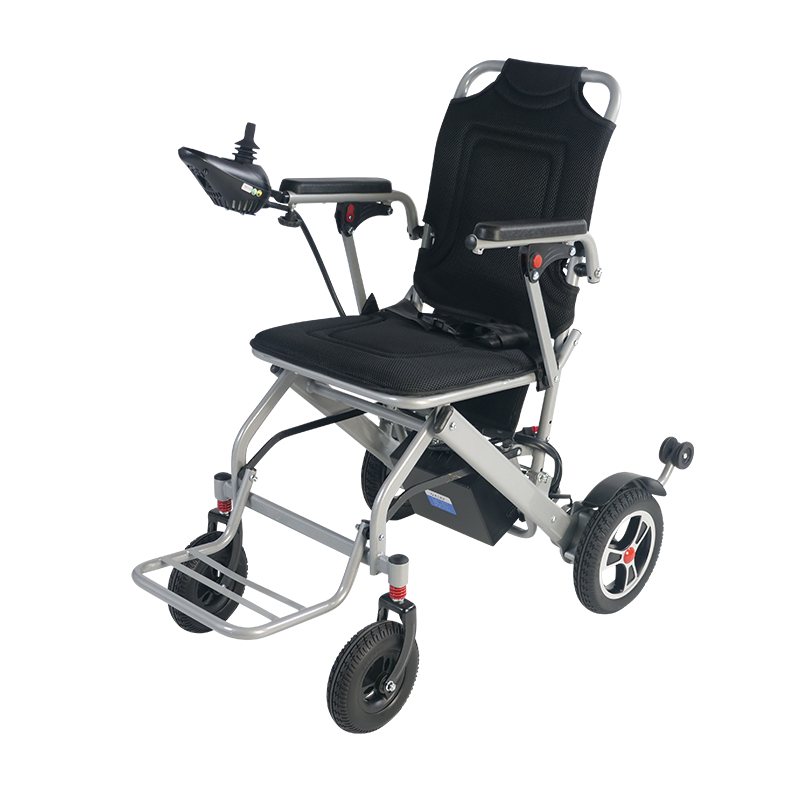
A Beginner's Comprehensive Guide to Understanding Electric Wheelchairs
Table of Contents
- What Are Electric Wheelchairs?
- Benefits of Electric Wheelchairs
- Types of Electric Wheelchairs
- Key Features to Consider When Choosing an Electric Wheelchair
- Understanding the Technical Specifications
- Maintenance and Care for Electric Wheelchairs
- Tips for First-Time Users of Electric Wheelchairs
- Frequently Asked Questions
- Conclusion
What Are Electric Wheelchairs?
Electric wheelchairs, also known as power wheelchairs, are mobility devices powered by electric motors. They are designed for individuals with limited mobility, providing them with a means to navigate their environment independently. Unlike manual wheelchairs, which require physical effort to propel, electric wheelchairs are equipped with batteries that enable users to move effortlessly. This innovation represents a significant advancement in mobility technology, offering users enhanced freedom and convenience.
Benefits of Electric Wheelchairs
Electric wheelchairs come with numerous benefits that enhance the quality of life for individuals with mobility challenges. Some of the key advantages include:
Increased Independence
One of the most significant benefits of electric wheelchairs is the enhanced independence they offer. Users can navigate their homes, communities, and public spaces without relying on others for assistance.
Improved Comfort
Electric wheelchairs are designed with user comfort in mind. Many models come with adjustable seating, padded armrests, and customizable controls, allowing users to tailor their experience to their needs.
Greater Mobility Range
With powerful batteries, electric wheelchairs can cover greater distances compared to manual options, making it possible for users to explore wider areas without the fatigue associated with manual propulsion.
Advanced Features
Many electric wheelchairs are equipped with modern features such as speed control, joystick navigation, and even Bluetooth connectivity. These enhancements make for a smoother, more enjoyable user experience.
Types of Electric Wheelchairs
Understanding the different types of electric wheelchairs available is crucial for selecting the most suitable option. Here are the primary categories:
Standard Electric Wheelchairs
Standard electric wheelchairs are designed for everyday use. They typically feature a robust frame and reliable battery life, making them ideal for both indoor and outdoor environments.
Lightweight Electric Wheelchairs
For those who require a more portable solution, lightweight electric wheelchairs are an excellent choice. These models are easier to transport and often fold for convenient storage.
Heavy-Duty Electric Wheelchairs
Heavy-duty electric wheelchairs are designed for users with a higher weight capacity. They offer increased durability and stability, making them suitable for individuals who require additional support.
All-Terrain Electric Wheelchairs
For users who enjoy outdoor activities, all-terrain electric wheelchairs are an ideal option. These wheelchairs feature rugged tires and enhanced suspension systems, allowing users to navigate various terrains with ease.
Key Features to Consider When Choosing an Electric Wheelchair
When selecting an electric wheelchair, several features can significantly impact your overall experience. Here are some critical aspects to evaluate:
Weight Capacity
Understanding the weight capacity of an electric wheelchair is essential. Ensure that the model you choose can safely accommodate the user's weight.
Battery Life
Battery life determines how far a user can travel on a single charge. Look for wheelchairs with long-lasting batteries, especially if you plan to use them for extended periods.
Seating Comfort
Ergonomically designed seating can greatly enhance comfort during use. Consider models with adjustable seating and ample padding.
Control Mechanism
The control mechanism should be intuitive and easy to use, whether through a joystick or other methods. Test various options to find the most comfortable for the user.
Accessories and Customization Options
Some electric wheelchairs offer accessories such as cup holders, storage bags, and adjustable footrests. These features can enhance convenience and comfort.
Understanding the Technical Specifications
When researching electric wheelchairs, it is vital to grasp the technical specifications that define each model. Key specifications include:
Motor Power
The motor power is measured in watts and directly influences the wheelchair's speed and ability to navigate inclines. Higher wattage generally means better performance on hilly terrain.
Battery Specifications
Battery specifications include voltage, capacity (amp-hours), and type (gel, sealed lead-acid, lithium-ion). Knowing these details helps you understand the potential range and charging time.
Dimensions
Overall dimensions, including width, length, and height, are crucial. Ensure that the wheelchair fits comfortably within your living spaces and can navigate through doorways.
Maintenance and Care for Electric Wheelchairs
Proper maintenance and care can significantly extend the life of an electric wheelchair. Here are essential tips:
Regular Cleaning
Keep the wheelchair clean by regularly dusting and wiping down surfaces. Pay attention to wheels and battery compartments, as dirt can impact performance.
Battery Care
Follow the manufacturer's guidelines for charging and maintaining the battery to ensure its longevity. Avoid letting the battery fully discharge regularly.
Routine Inspections
Conduct routine inspections to check for any loose components or signs of wear. Addressing issues early can prevent more significant problems down the line.
Tips for First-Time Users of Electric Wheelchairs
Transitioning to an electric wheelchair can be an adjustment. Here are helpful tips for first-time users:
Practice in Safe Environments
Before venturing out, practice using the wheelchair in a safe, familiar environment to get accustomed to the controls and handling.
Learn to Navigate Different Terrains
Understanding how the wheelchair performs on various surfaces, such as grass, gravel, or ramps, is crucial for safe navigation.
Stay Aware of Surroundings
Always be conscious of your surroundings, especially in crowded areas. This awareness will enhance safety and minimize accidents.
Frequently Asked Questions
1. How fast can electric wheelchairs go?
Most electric wheelchairs typically have a maximum speed ranging from 4 to 8 miles per hour, depending on the model and motor power.
2. Are electric wheelchairs covered by insurance?
In many cases, electric wheelchairs are covered by health insurance or Medicare, but coverage may vary. It is advisable to check with your provider for specific details.
3. How far can an electric wheelchair travel on a single charge?
The travel distance on a single charge can vary widely, but many models can cover 15 to 30 miles, depending on battery specifications and user weight.
4. Can electric wheelchairs be used outdoors?
Yes, many electric wheelchairs are designed for outdoor use, especially models equipped with all-terrain capabilities. Always check the manufacturer's specifications.
5. What maintenance does an electric wheelchair need?
Routine maintenance includes cleaning, battery care, and regular inspections for wear and tear. Following the manufacturer's guidelines is essential for optimal performance.
Conclusion
Electric wheelchairs represent a valuable solution for individuals seeking mobility independence. With a wide variety of options available, understanding the different types, features, and maintenance tips is crucial for making an informed choice. By considering personal needs, preferences, and lifestyle factors, users can select the perfect electric wheelchair that enhances their quality of life. As technology continues to advance, electric wheelchairs are becoming increasingly sophisticated, catering to a diverse range of mobility requirements. Embrace the journey toward greater freedom and accessibility with the right electric wheelchair.
PREVIOUS:


Tel/WhatsApp
E-mail: ceo@kaishangmedical.com
Phone: +86-15031821611
Add: Jizhou District, Hengshui City,Hebei Province, China
Request Quote
Get a free quote