

Hengshui Kaishang Medical Equipment Co., Ltd.
A Comprehensive Guide to Manual Medical Beds for Optimal Patient Care
Manual medical beds are crucial components in the realm of patient care, significantly aiding healthcare professionals in providing effective treatment and comfort. These beds offer a versatile solution for various medical settings, from hospitals to home care environments. Understanding their features, benefits, and usage can empower healthcare providers to make informed decisions while optimizin
Apr 17,2026


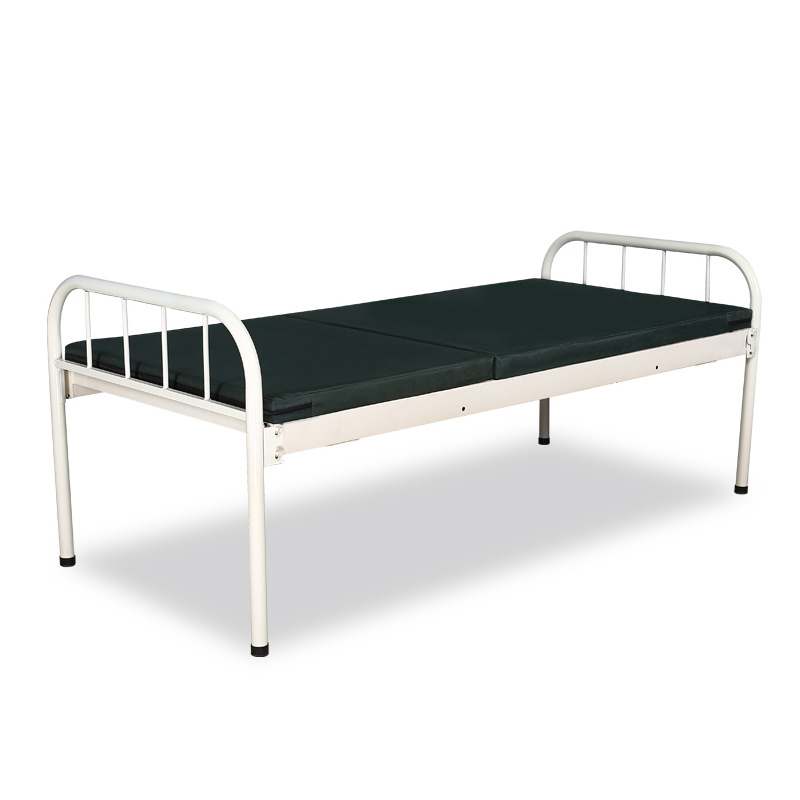
Manual medical beds are crucial components in the realm of patient care, significantly aiding healthcare professionals in providing effective treatment and comfort. These beds offer a versatile solution for various medical settings, from hospitals to home care environments. Understanding their features, benefits, and usage can empower healthcare providers to make informed decisions while optimizing patient care.
One of the primary advantages of manual medical beds is their adjustability. Typically equipped with multiple sections, these beds can be positioned at different angles to enhance the comfort of patients. Caregivers can easily adjust the head, foot, and height of the bed using manual cranks or levers, ensuring that patients can find their ideal position for rest or treatment. This adjustability is particularly beneficial for patients with limited mobility or specific medical conditions that require customized support.
Another important feature is the ease of sanitation and maintenance. Manual medical beds are often designed with removable, washable covers and materials that resist stains and odors. This is crucial in healthcare environments where hygiene is paramount. Regular cleaning protocols can be easily implemented, helping to prevent hospital-acquired infections and ensuring a safe environment for patients.
When considering manual medical beds, it's essential to evaluate the construction and durability of the bed. High-quality materials not only ensure longevity but also provide a sturdy and stable platform for patients. A well-constructed bed can accommodate a wide range of patient weights and sizes, making it suitable for various healthcare needs. Moreover, the presence of locking wheels enhances mobility and safety, allowing caregivers to reposition the bed as needed without compromising stability.
Manual medical beds also contribute to patient independence. With features such as side rails and easy-to-reach controls, patients can manage their movements better, promoting self-reliance and dignity during their recovery. This aspect of patient care can significantly improve overall satisfaction and engagement in treatment plans.
Accessibility is another critical consideration. Manual medical beds should be designed to accommodate patients with diverse needs, including those who require assistance due to physical limitations. Ensuring that these beds can be easily adjusted and accessed by both patients and caregivers is vital to fostering a supportive care environment.
In summary, manual medical beds play an integral role in promoting optimal patient care. Their adjustability, ease of maintenance, and thoughtful design features contribute to a comprehensive approach to healthcare, enhancing both patient comfort and caregiver efficiency. By investing in high-quality manual medical beds, healthcare providers can ensure a better quality of care, fostering positive outcomes for patients and their families.
One of the primary advantages of manual medical beds is their adjustability. Typically equipped with multiple sections, these beds can be positioned at different angles to enhance the comfort of patients. Caregivers can easily adjust the head, foot, and height of the bed using manual cranks or levers, ensuring that patients can find their ideal position for rest or treatment. This adjustability is particularly beneficial for patients with limited mobility or specific medical conditions that require customized support.
Another important feature is the ease of sanitation and maintenance. Manual medical beds are often designed with removable, washable covers and materials that resist stains and odors. This is crucial in healthcare environments where hygiene is paramount. Regular cleaning protocols can be easily implemented, helping to prevent hospital-acquired infections and ensuring a safe environment for patients.
When considering manual medical beds, it's essential to evaluate the construction and durability of the bed. High-quality materials not only ensure longevity but also provide a sturdy and stable platform for patients. A well-constructed bed can accommodate a wide range of patient weights and sizes, making it suitable for various healthcare needs. Moreover, the presence of locking wheels enhances mobility and safety, allowing caregivers to reposition the bed as needed without compromising stability.
Manual medical beds also contribute to patient independence. With features such as side rails and easy-to-reach controls, patients can manage their movements better, promoting self-reliance and dignity during their recovery. This aspect of patient care can significantly improve overall satisfaction and engagement in treatment plans.
Accessibility is another critical consideration. Manual medical beds should be designed to accommodate patients with diverse needs, including those who require assistance due to physical limitations. Ensuring that these beds can be easily adjusted and accessed by both patients and caregivers is vital to fostering a supportive care environment.
In summary, manual medical beds play an integral role in promoting optimal patient care. Their adjustability, ease of maintenance, and thoughtful design features contribute to a comprehensive approach to healthcare, enhancing both patient comfort and caregiver efficiency. By investing in high-quality manual medical beds, healthcare providers can ensure a better quality of care, fostering positive outcomes for patients and their families.
TAG:


Tel/WhatsApp
E-mail: ceo@kaishangmedical.com
Phone: +86-15031821611
Add: Jizhou District, Hengshui City,Hebei Province, China
Request Quote
Get a free quote