

Hengshui Kaishang Medical Equipment Co., Ltd.
Enhancing Patient Mobility: The Benefits of Manual Wheelchairs
Manual wheelchairs play a crucial role in enhancing mobility for patients who require assistance due to various medical conditions or disabilities. These devices are designed to offer independence and facilitate movement, which is vital for both physical health and psychological well-being.
One of the primary advantages of manual wheelchairs is their lightweight and portable nature, making them ea
Apr 15,2026


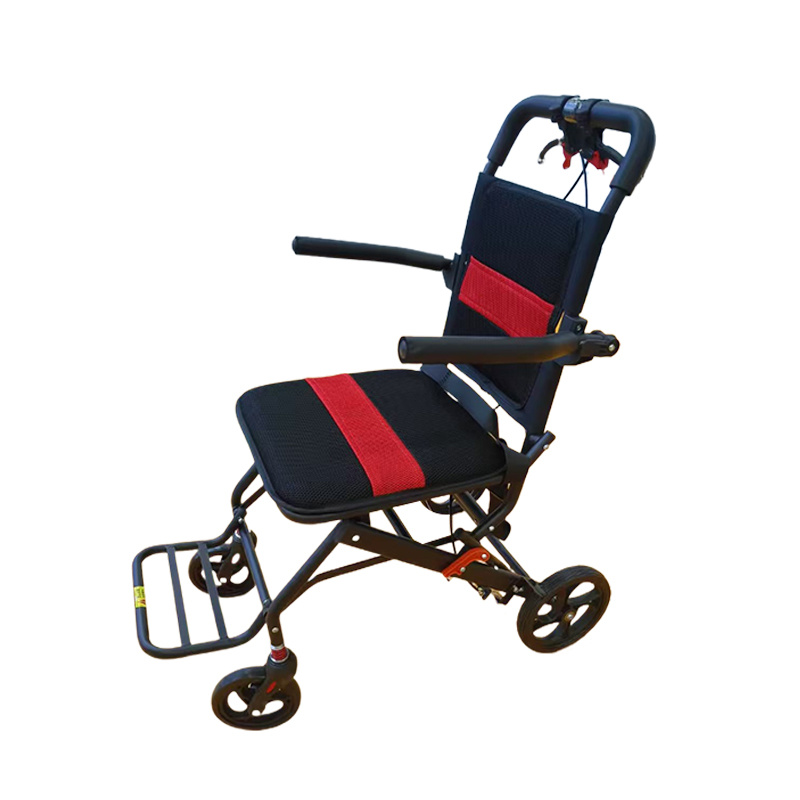
Manual wheelchairs play a crucial role in enhancing mobility for patients who require assistance due to various medical conditions or disabilities. These devices are designed to offer independence and facilitate movement, which is vital for both physical health and psychological well-being.
One of the primary advantages of manual wheelchairs is their lightweight and portable nature, making them easy to maneuver. They can be pushed by the user or a caregiver, providing flexibility in mobility. The compact design allows for easy transport in vehicles, which is particularly beneficial for patients who need to travel for medical appointments or social activities. This ease of transport can significantly reduce the barriers many patients face in accessing essential services and enjoying an active lifestyle.
Moreover, manual wheelchairs are available in a variety of designs tailored to meet the specific needs of different patients. Features such as adjustable seat heights, reclining backs, and removable armrests can enhance comfort and usability. Many models also include customizable accessories like footrests and cup holders, allowing patients to personalize their experience. These ergonomic considerations are essential, as they can help prevent pressure sores and other health complications associated with prolonged sitting.
When selecting a manual wheelchair for patient mobility, healthcare professionals and caregivers should consider several factors. The patient's physical condition, lifestyle, and environment are critical in determining the most suitable wheelchair. For instance, individuals with upper body strength may prefer a lightweight model that they can self-propel, while those with limited mobility might benefit from a chair designed for easy caregiver use.
Additionally, proper training on how to operate and maneuver a manual wheelchair is vital. Educating caregivers on safe pushing techniques and how to navigate various terrains will ensure the safety and comfort of the patient. Regular maintenance of the wheelchair, including checking brakes and tires, is also essential to ensure optimal performance.
In conclusion, manual wheelchairs are invaluable tools that significantly improve patient mobility and independence. By understanding the various features and considerations involved in selecting the right model, healthcare professionals can provide patients with the support they need to lead fulfilling lives. The right manual wheelchair not only enhances mobility but also empowers patients to engage with their communities and maintain their dignity.
One of the primary advantages of manual wheelchairs is their lightweight and portable nature, making them easy to maneuver. They can be pushed by the user or a caregiver, providing flexibility in mobility. The compact design allows for easy transport in vehicles, which is particularly beneficial for patients who need to travel for medical appointments or social activities. This ease of transport can significantly reduce the barriers many patients face in accessing essential services and enjoying an active lifestyle.
Moreover, manual wheelchairs are available in a variety of designs tailored to meet the specific needs of different patients. Features such as adjustable seat heights, reclining backs, and removable armrests can enhance comfort and usability. Many models also include customizable accessories like footrests and cup holders, allowing patients to personalize their experience. These ergonomic considerations are essential, as they can help prevent pressure sores and other health complications associated with prolonged sitting.
When selecting a manual wheelchair for patient mobility, healthcare professionals and caregivers should consider several factors. The patient's physical condition, lifestyle, and environment are critical in determining the most suitable wheelchair. For instance, individuals with upper body strength may prefer a lightweight model that they can self-propel, while those with limited mobility might benefit from a chair designed for easy caregiver use.
Additionally, proper training on how to operate and maneuver a manual wheelchair is vital. Educating caregivers on safe pushing techniques and how to navigate various terrains will ensure the safety and comfort of the patient. Regular maintenance of the wheelchair, including checking brakes and tires, is also essential to ensure optimal performance.
In conclusion, manual wheelchairs are invaluable tools that significantly improve patient mobility and independence. By understanding the various features and considerations involved in selecting the right model, healthcare professionals can provide patients with the support they need to lead fulfilling lives. The right manual wheelchair not only enhances mobility but also empowers patients to engage with their communities and maintain their dignity.
TAG:


Tel/WhatsApp
E-mail: ceo@kaishangmedical.com
Phone: +86-15031821611
Add: Jizhou District, Hengshui City,Hebei Province, China
Request Quote
Get a free quote