

Hengshui Kaishang Medical Equipment Co., Ltd.
Enhancing Patient Outcomes: The Advantages of Electric Wheelchairs in Recovery
Enhancing Patient Outcomes: The Advantages of Electric Wheelchairs in Recovery
Table of Contents
1. Introduction to Electric Wheelchairs
2. Understanding Recovery and Rehabilitation Needs
3. Key Benefits of Electric Wheelchairs in Recovery
3.1 Improved Mobility
3.2 Enhanced Independence
3.3 Increased Comfort
3.4 Mental Health Be
Apr 14,2026


Enhancing Patient Outcomes: The Advantages of Electric Wheelchairs in Recovery
Table of Contents
- 1. Introduction to Electric Wheelchairs
- 2. Understanding Recovery and Rehabilitation Needs
- 3. Key Benefits of Electric Wheelchairs in Recovery
- 4. Technology in Electric Wheelchairs
- 5. Customization Options for Electric Wheelchairs
- 6. Case Studies: Success Stories of Electric Wheelchair Users
- 7. Choosing the Right Electric Wheelchair for Recovery
- 8. Frequently Asked Questions
- 9. Conclusion
1. Introduction to Electric Wheelchairs
Electric wheelchairs have revolutionized mobility for individuals with varying degrees of physical challenges. Unlike traditional wheelchairs, which require manual propulsion, electric wheelchairs utilize battery-powered motors to facilitate movement. This innovation has proven to be particularly beneficial for patients in recovery, allowing them to navigate their environments with ease and confidence. As we delve into the various advantages of electric wheelchairs, we will highlight how they contribute to better health outcomes during the rehabilitation process.
2. Understanding Recovery and Rehabilitation Needs
Recovery from injuries, surgeries, or chronic illnesses often involves physical, emotional, and psychological challenges. Patients require tools and support systems that can cater to these diverse needs. Mobility is a critical component of effective rehabilitation, as it not only promotes physical health but also impacts mental well-being. Electric wheelchairs can bridge the gap in mobility, providing patients with an essential resource that fosters independence and aids their recovery journey.
3. Key Benefits of Electric Wheelchairs in Recovery
Electric wheelchairs offer numerous advantages that significantly enhance patient outcomes. Here, we will explore some of the most impactful benefits.
3.1 Improved Mobility
**Improved mobility** is one of the most significant benefits of electric wheelchairs. Patients who may have limited strength or stamina can easily navigate their surroundings without exerting excessive physical effort. This ease of movement enables individuals to participate in daily activities, ranging from visiting family to attending therapy sessions. As a result, patients experience increased daily engagement, which is pivotal for a successful recovery.
3.2 Enhanced Independence
Achieving a sense of **independence** is crucial for patients in recovery. Electric wheelchairs empower individuals to regain control over their mobility, allowing them to make choices about where and when to go. This newfound autonomy can significantly boost a patient's self-esteem and motivation, fostering a stronger commitment to rehabilitation. The ability to move freely within their environment can lead to a more active, fulfilling lifestyle, even during recovery.
3.3 Increased Comfort
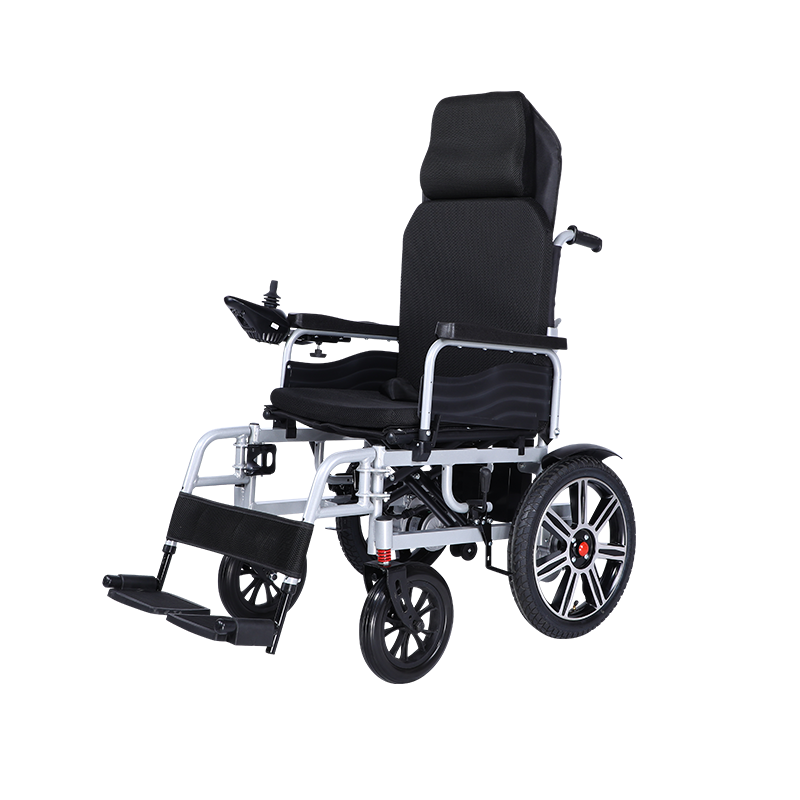
Comfort plays an essential role in patient recovery. Electric wheelchairs come equipped with advanced ergonomic features, such as adjustable seating, lumbar support, and customizable armrests. These features ensure that patients can enjoy extended periods of use without discomfort or fatigue. Moreover, the smooth operation of electric wheelchairs provides a more pleasant experience, allowing patients to focus on their recovery rather than their mobility challenges.
3.4 Mental Health Benefits
The positive impact of electric wheelchairs extends beyond physical health; they also contribute to improved **mental health** outcomes. The ability to move independently and engage with the world can alleviate feelings of isolation and depression that often accompany recovery from illness or injury. Furthermore, electric wheelchairs can facilitate social interactions, enabling patients to maintain connections with friends and family, which is vital for emotional well-being.
4. Technology in Electric Wheelchairs
Modern electric wheelchairs are equipped with cutting-edge technology that enhances their usability and functionality. Features such as joystick control, programmable settings, and smart connectivity allow for a personalized experience. Many electric wheelchairs also incorporate advanced safety features like anti-tip mechanisms and obstacle detection systems, ensuring that patients can navigate their environments safely.
5. Customization Options for Electric Wheelchairs
The **customization options** available for electric wheelchairs enable patients to select features that best meet their unique needs. From choosing the right seat type to selecting various speed settings, customization ensures that each patient receives a tailored mobility solution. Understanding these options allows healthcare professionals and caregivers to make informed recommendations that enhance the overall recovery experience.
6. Case Studies: Success Stories of Electric Wheelchair Users
Real-life success stories demonstrate the transformative impact of electric wheelchairs on recovery outcomes. For instance, consider the case of a stroke survivor who, after transitioning to an electric wheelchair, was able to regain independence and participate in community activities. Such narratives underscore the real-world effectiveness of electric wheelchairs in enhancing patient quality of life during recovery.
7. Choosing the Right Electric Wheelchair for Recovery
Selecting the right electric wheelchair is critical for maximizing recovery outcomes. Factors to consider include the patient's weight capacity, required features, and the intended usage environment. Consulting with healthcare professionals can provide valuable insights into making the best choice, ensuring that patients receive the support they need as they progress through their rehabilitation.
8. Frequently Asked Questions
What are the advantages of electric wheelchairs over manual ones?
Electric wheelchairs offer enhanced mobility, reduced physical strain, and more comfort than manual wheelchairs, making them ideal for individuals with limited strength.
Are electric wheelchairs suitable for outdoor use?
Yes, many electric wheelchairs are designed for outdoor use and feature durable tires and robust frames to navigate various terrains.
How long does the battery last on an electric wheelchair?
Battery life varies by model but typically lasts between 8 to 20 miles on a single charge, depending on usage and terrain.
Can electric wheelchairs be customized for specific needs?
Absolutely! Many electric wheelchairs offer a range of customization options, including adjustable seating and control settings to suit individual requirements.
How can caregivers assist patients using electric wheelchairs?
Caregivers can help by providing guidance on operating the wheelchair, assisting with maintenance, and ensuring that the environment is safe and accessible for the patient.
9. Conclusion
Incorporating electric wheelchairs into the recovery process offers a multitude of benefits that can significantly enhance patient outcomes. From improved mobility and independence to increased comfort and mental health support, these devices are invaluable tools for patients undergoing rehabilitation. As technology continues to evolve, electric wheelchairs will likely become even more advanced, providing greater opportunities for patients to regain control over their lives and promote successful recovery journeys. By understanding the advantages and features of electric wheelchairs, healthcare professionals and caregivers can make informed decisions that ultimately lead to better health outcomes for the patients they serve.
TAG:
PREVIOUS:


Tel/WhatsApp
E-mail: ceo@kaishangmedical.com
Phone: +86-15031821611
Add: Jizhou District, Hengshui City,Hebei Province, China
Request Quote
Get a free quote