

Hengshui Kaishang Medical Equipment Co., Ltd.
Enhancing Patient Care with Manual Medical Beds: A Comprehensive Guide
Manual medical beds play a vital role in patient care, especially in settings where mobility and comfort are essential for recovery and overall well-being. These beds are designed to accommodate the needs of patients while providing caregivers with the necessary tools for efficient and safe handling of patients. Understanding the functionalities and advantages of manual medical beds can significan
Apr 09,2026


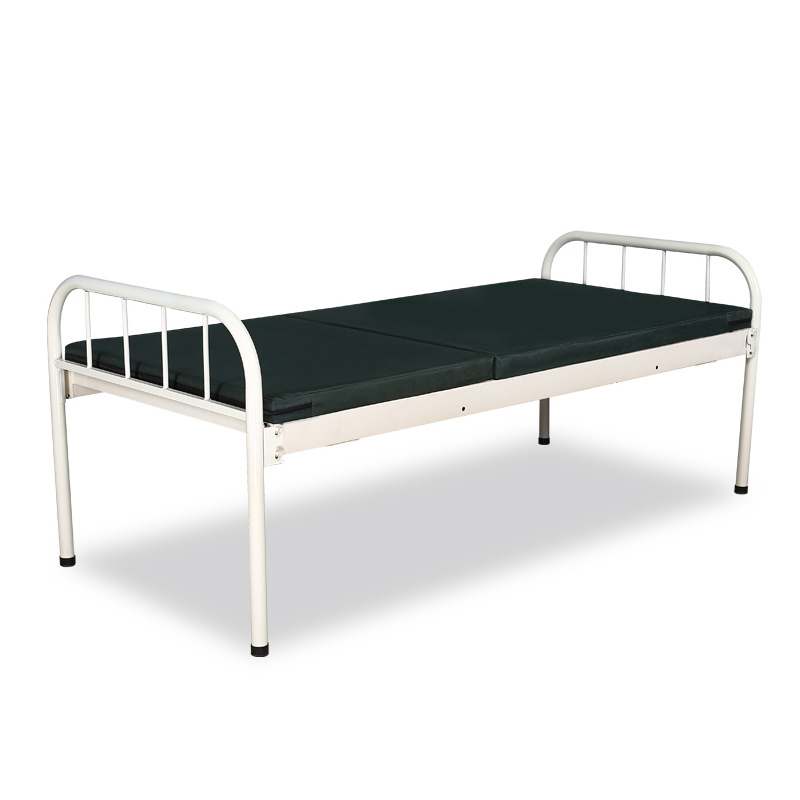
Manual medical beds play a vital role in patient care, especially in settings where mobility and comfort are essential for recovery and overall well-being. These beds are designed to accommodate the needs of patients while providing caregivers with the necessary tools for efficient and safe handling of patients. Understanding the functionalities and advantages of manual medical beds can significantly enhance the quality of care provided to patients.
One of the primary features of manual medical beds is their adjustability. Caregivers can easily modify the bed's position using a series of hand-operated mechanisms. This adjustability allows for optimal positioning of patients, which is crucial for those who may be bedridden or require assistance with movement. Elevating the head or foot of the bed can relieve pressure points, improve circulation, and enhance comfort for patients with various conditions, including respiratory issues or mobility limitations.
In addition to adjustability, manual medical beds are typically equipped with side rails. These rails serve as safety features, preventing patients from accidentally falling out of bed. They also provide support for patients when getting in and out of bed, fostering independence and confidence. For caregivers, having a secure bed environment aids in reducing the risk of injury during patient transfers and daily care routines.
Another essential aspect of manual medical beds is their construction and materials. Most are designed to be durable and easy to clean, which is crucial for maintaining hygiene in healthcare settings. The surfaces are often made of materials that resist staining and are compatible with various cleaning agents, ensuring that infection control protocols are upheld.
When choosing manual medical beds, it is essential to consider the specific needs of patients. Factors such as weight capacity, height adjustment range, and the ease of operation should be assessed to ensure that the bed meets the requirements of both patients and caregivers. Additionally, some manual beds come with optional accessories, such as overbed tables or IV poles, which can further enhance their functionality.
Training for caregivers on the proper use of manual medical beds is equally important. Familiarizing them with the bed’s features and operation can lead to better patient outcomes and increased safety for both patients and staff. Regular assessments and feedback from caregivers can help in identifying any issues with the beds and inform decisions for potential upgrades or replacements.
In summary, manual medical beds are an indispensable asset in patient care, offering flexibility, safety, and comfort. By understanding their features and benefits, healthcare facilities can enhance the patient experience and streamline care delivery. Investing in quality manual medical beds and ensuring proper training for caregivers are crucial steps toward improving overall patient outcomes in the healthcare setting.
One of the primary features of manual medical beds is their adjustability. Caregivers can easily modify the bed's position using a series of hand-operated mechanisms. This adjustability allows for optimal positioning of patients, which is crucial for those who may be bedridden or require assistance with movement. Elevating the head or foot of the bed can relieve pressure points, improve circulation, and enhance comfort for patients with various conditions, including respiratory issues or mobility limitations.
In addition to adjustability, manual medical beds are typically equipped with side rails. These rails serve as safety features, preventing patients from accidentally falling out of bed. They also provide support for patients when getting in and out of bed, fostering independence and confidence. For caregivers, having a secure bed environment aids in reducing the risk of injury during patient transfers and daily care routines.
Another essential aspect of manual medical beds is their construction and materials. Most are designed to be durable and easy to clean, which is crucial for maintaining hygiene in healthcare settings. The surfaces are often made of materials that resist staining and are compatible with various cleaning agents, ensuring that infection control protocols are upheld.
When choosing manual medical beds, it is essential to consider the specific needs of patients. Factors such as weight capacity, height adjustment range, and the ease of operation should be assessed to ensure that the bed meets the requirements of both patients and caregivers. Additionally, some manual beds come with optional accessories, such as overbed tables or IV poles, which can further enhance their functionality.
Training for caregivers on the proper use of manual medical beds is equally important. Familiarizing them with the bed’s features and operation can lead to better patient outcomes and increased safety for both patients and staff. Regular assessments and feedback from caregivers can help in identifying any issues with the beds and inform decisions for potential upgrades or replacements.
In summary, manual medical beds are an indispensable asset in patient care, offering flexibility, safety, and comfort. By understanding their features and benefits, healthcare facilities can enhance the patient experience and streamline care delivery. Investing in quality manual medical beds and ensuring proper training for caregivers are crucial steps toward improving overall patient outcomes in the healthcare setting.
TAG:
PREVIOUS:


Tel/WhatsApp
E-mail: ceo@kaishangmedical.com
Phone: +86-15031821611
Add: Jizhou District, Hengshui City,Hebei Province, China
Request Quote
Get a free quote