

Hengshui Kaishang Medical Equipment Co., Ltd.
Choosing the Right Electric Medical Bed for Your Hospital Ward: A Comprehensive Guide
Choosing the Right Electric Medical Bed for Your Hospital Ward
Table of Contents
1. Introduction to Electric Medical Beds
2. Importance of Choosing the Right Electric Medical Bed
3. Types of Electric Medical Beds
3.1 Standard Electric Beds
3.2 Specialized Electric Beds
4. Key Features to Consider
5. Enhancing Patient Comfort with Elect
Apr 08,2026


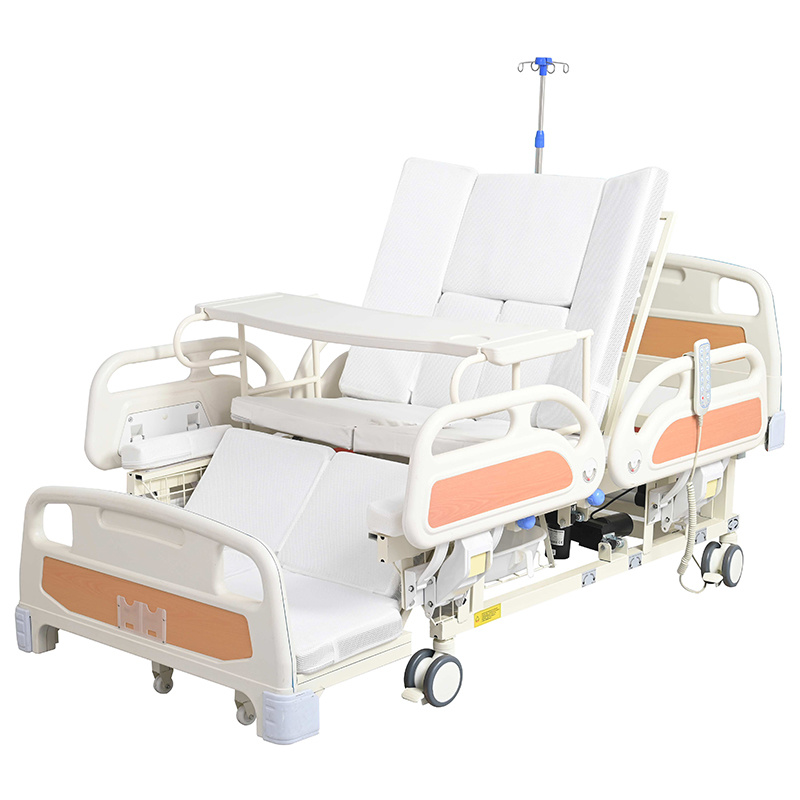
Choosing the Right Electric Medical Bed for Your Hospital Ward
Table of Contents
- 1. Introduction to Electric Medical Beds
- 2. Importance of Choosing the Right Electric Medical Bed
- 3. Types of Electric Medical Beds
- 4. Key Features to Consider
- 5. Enhancing Patient Comfort with Electric Beds
- 6. Improving Caregiver Efficiency
- 7. Budget Considerations
- 8. Maintenance and Longevity of Electric Beds
- 9. Conclusion
- 10. Frequently Asked Questions
1. Introduction to Electric Medical Beds
Electric medical beds play a crucial role in modern healthcare facilities, providing patients with comfort and support while empowering caregivers to perform their duties effectively. These beds are designed with advanced technology that allows for easy adjustments to accommodate various medical needs. Understanding the different types and features of electric beds is vital for making an informed decision for your hospital ward.
2. Importance of Choosing the Right Electric Medical Bed
The selection of electric medical beds is more than just a financial investment; it impacts patient recovery, caregiver efficiency, and overall hospital operations. Choosing the right bed can facilitate better patient outcomes by enhancing comfort and accessibility, reducing the risk of pressure sores, and improving mobility. For caregivers, the appropriate bed design significantly eases the challenges of patient handling, ultimately leading to a more productive and safer working environment.
3. Types of Electric Medical Beds
When it comes to electric medical beds, there are primarily two types that hospitals should consider: standard electric beds and specialized electric beds.
3.1 Standard Electric Beds
Standard electric medical beds are versatile and equipped with basic features, making them suitable for a wide range of patients. These beds typically include adjustable head and foot sections, allowing for customized positioning based on individual patient needs. They are commonly used in general hospital wards and are designed with the essential functionalities needed for everyday care.
3.2 Specialized Electric Beds
Specialized electric beds cater to specific medical conditions and patient requirements. These beds often come with additional features such as integrated scales for weight monitoring, advanced pressure relief systems, and options for trendelenburg positioning. Specialized beds are particularly beneficial for patients with severe mobility issues, those requiring long-term care, or individuals recovering from major surgeries.
4. Key Features to Consider
When assessing electric medical beds, several critical features should guide your decision-making process:
4.1 Adjustability
The bed's adjustability is paramount. Look for beds that offer multiple positioning options, including head and foot elevation, as well as tilt capabilities. These features enhance comfort and support various therapeutic needs.
4.2 Weight Capacity
Understanding the weight capacity is essential for ensuring patient safety. Evaluate the weight limits of the bed and ensure they meet the needs of your patient population.
4.3 Safety Features
Safety should always be a priority. Look for beds equipped with side rails, locking wheels, and emergency power systems to ensure patients remain secure and caregivers can attend to them without risk.
4.4 Ease of Use
Select beds with user-friendly controls, enabling both caregivers and patients to adjust the bed without difficulty. Consider beds with remote controls for enhanced accessibility.
4.5 Material and Durability
The quality of materials used in the construction of electric beds is crucial for longevity. Opt for beds made from robust materials that can withstand regular use while maintaining patient comfort.
5. Enhancing Patient Comfort with Electric Beds
The comfort of patients in hospital wards significantly affects their overall experience and recovery. Electric medical beds that prioritize patient comfort can include features such as:
5.1 Pressure Relief Mattresses
Investing in pressure relief mattresses can help minimize the risk of bedsores, providing patients with a more comfortable resting experience.
5.2 Adjustable Height
Beds that allow height adjustments can aid patients in getting in and out of bed more easily, enhancing their autonomy and comfort.
5.3 Trendelenburg Positioning
For certain medical conditions, the ability to tilt the bed can facilitate better blood circulation and aid in recovery.
6. Improving Caregiver Efficiency
Electric medical beds not only benefit patients but also empower caregivers by streamlining their workflow.
6.1 Reduced Physical Strain
Electrical adjustments can significantly reduce the physical strain on caregivers by allowing them to lift or lower bed sections with minimal effort.
6.2 Quick Access Features
Features such as remote controls and centralized adjustments enable caregivers to make necessary changes quickly, allowing for more efficient patient care.
6.3 Space-Saving Designs
Compact electric beds can help optimize space in hospital wards, allowing caregivers to maneuver easily and providing room for essential equipment.
7. Budget Considerations
Cost is often a significant factor in purchasing decisions for electric medical beds. While investing in high-quality beds may seem expensive upfront, the long-term benefits often outweigh the initial costs.
7.1 Initial Investment vs. Long-term Value
Consider the long-term value of durable beds that require less frequent replacement and maintenance. Investing in quality beds can lead to reduced operational costs over time.
7.2 Insurance and Funding Options
Research insurance coverage and potential funding opportunities for healthcare facilities to alleviate the financial burden of purchasing new electric beds.
8. Maintenance and Longevity of Electric Beds
Proper maintenance is essential for ensuring the longevity of electric medical beds.
8.1 Regular Inspections
Conduct regular inspections to check for mechanical issues or wear and tear. Early detection will prevent larger problems down the line.
8.2 Cleaning and Care
Follow manufacturer guidelines for cleaning to ensure hygiene and extend the lifespan of bed components.
8.3 Replacement Parts
Identify suppliers for replacement parts. Having access to spare parts ensures that any necessary repairs can be conducted swiftly, minimizing downtime.
9. Conclusion
Selecting the right electric medical bed for your hospital ward is a critical decision that impacts patient care and caregiver efficiency. By understanding the types, features, and considerations involved in choosing these beds, healthcare facilities can make informed decisions that enhance comfort and operational effectiveness. Investing in the right electric medical bed is not just about compliance; it’s about fostering an environment that promotes healing and well-being for all patients.
10. Frequently Asked Questions
Q1: What is the average lifespan of an electric medical bed?
A1: The average lifespan of electric medical beds ranges from 5 to 10 years, depending on usage and maintenance.
Q2: Are electric medical beds easy to operate for elderly patients?
A2: Yes, many electric medical beds are designed with user-friendly controls, making them accessible for elderly patients.
Q3: Can electric medical beds accommodate different patient sizes?
A3: Yes, it is essential to choose beds with appropriate weight capacity and adjustability options to cater to various patient sizes.
Q4: Is insurance typically available for electric medical bed purchases?
A4: Many insurance plans cover electric medical beds, but it’s advisable to check specific policy details for coverage options.
Q5: How often should electric medical beds be maintained?
A5: Electric medical beds should be inspected regularly, ideally every 6 months, to ensure they remain in optimal working condition.
TAG:
PREVIOUS:


Tel/WhatsApp
E-mail: ceo@kaishangmedical.com
Phone: +86-15031821611
Add: Jizhou District, Hengshui City,Hebei Province, China
Request Quote
Get a free quote