

Hengshui Kaishang Medical Equipment Co., Ltd.
Enhancing Patient Mobility: The Essential Guide to Manual Wheelchairs
Manual wheelchairs play a vital role in patient mobility, offering a means for individuals with limited movement ability to regain independence and navigate their environment with ease. Unlike powered alternatives, manual wheelchairs operate through human effort, requiring users or caregivers to propel them forward. This not only fosters physical activity but also enhances the user's sense of auto
Apr 07,2026


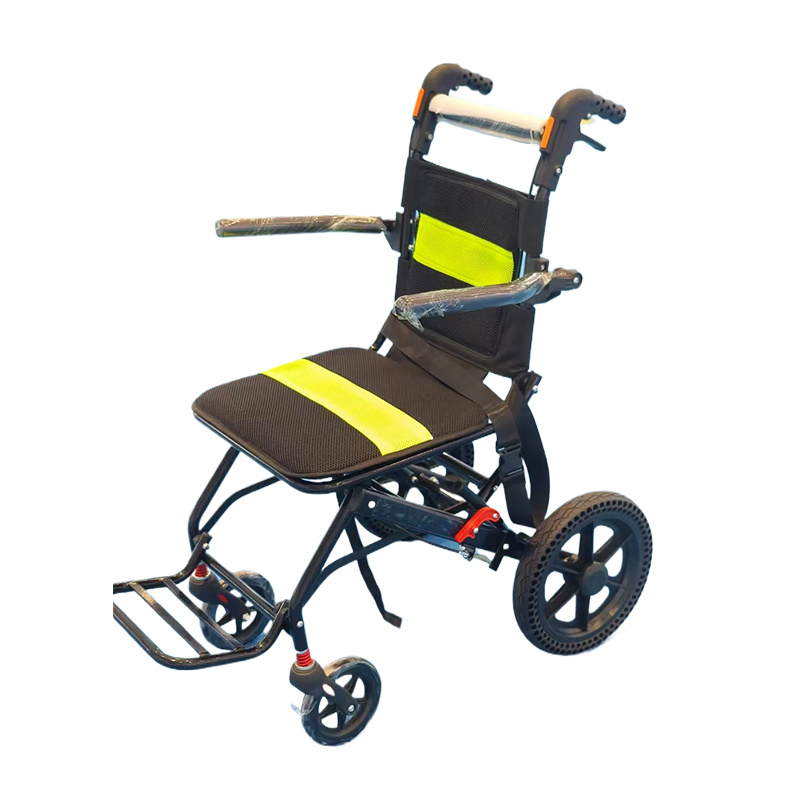
Manual wheelchairs play a vital role in patient mobility, offering a means for individuals with limited movement ability to regain independence and navigate their environment with ease. Unlike powered alternatives, manual wheelchairs operate through human effort, requiring users or caregivers to propel them forward. This not only fosters physical activity but also enhances the user's sense of autonomy.
One of the primary advantages of manual wheelchairs is their lightweight design. Most models are constructed from durable materials such as aluminum or steel, making them easy to maneuver and transport. This is particularly beneficial for users who may need to navigate different environments, whether at home, in healthcare settings, or out in the community. The compact size of manual wheelchairs also allows for easier storage and portability, making them ideal for individuals who frequently travel.
Another essential aspect to consider is the customization options available with manual wheelchairs. Many models allow for adjustments in seat height, backrest angle, and armrest positioning, accommodating individual user needs and preferences. This customization not only enhances comfort but also promotes proper posture, which is crucial for long-term health. Additionally, various accessories, such as footrests and cushions, can be added to optimize the user's experience and address specific medical conditions.
Safety is paramount when it comes to patient mobility. Manual wheelchairs often come equipped with features like non-slip wheels, anti-tip frames, and braking systems to ensure secure operation. Users and caregivers should also be educated on proper handling techniques to prevent accidents during transport or when navigating slopes and inclines.
Furthermore, regular maintenance of manual wheelchairs is essential for ensuring longevity and performance. Users should routinely check for wear and tear, including tire conditions and the integrity of the frame. Keeping the chair clean and free from debris can prevent potential hazards and ensure smooth operation.
In terms of overall health benefits, using a manual wheelchair encourages physical activity, which can lead to improved cardiovascular health and muscle strength. For users, pushing their wheelchair can serve as a form of exercise, providing not only physical benefits but also enhancing mental well-being through increased independence and social interaction.
In conclusion, manual wheelchairs are a crucial tool for enhancing patient mobility, offering benefits that extend beyond mere transportation. By understanding the features, safety considerations, and health advantages of manual wheelchairs, users and caregivers can make informed decisions that significantly improve quality of life and promote independence.
One of the primary advantages of manual wheelchairs is their lightweight design. Most models are constructed from durable materials such as aluminum or steel, making them easy to maneuver and transport. This is particularly beneficial for users who may need to navigate different environments, whether at home, in healthcare settings, or out in the community. The compact size of manual wheelchairs also allows for easier storage and portability, making them ideal for individuals who frequently travel.
Another essential aspect to consider is the customization options available with manual wheelchairs. Many models allow for adjustments in seat height, backrest angle, and armrest positioning, accommodating individual user needs and preferences. This customization not only enhances comfort but also promotes proper posture, which is crucial for long-term health. Additionally, various accessories, such as footrests and cushions, can be added to optimize the user's experience and address specific medical conditions.
Safety is paramount when it comes to patient mobility. Manual wheelchairs often come equipped with features like non-slip wheels, anti-tip frames, and braking systems to ensure secure operation. Users and caregivers should also be educated on proper handling techniques to prevent accidents during transport or when navigating slopes and inclines.
Furthermore, regular maintenance of manual wheelchairs is essential for ensuring longevity and performance. Users should routinely check for wear and tear, including tire conditions and the integrity of the frame. Keeping the chair clean and free from debris can prevent potential hazards and ensure smooth operation.
In terms of overall health benefits, using a manual wheelchair encourages physical activity, which can lead to improved cardiovascular health and muscle strength. For users, pushing their wheelchair can serve as a form of exercise, providing not only physical benefits but also enhancing mental well-being through increased independence and social interaction.
In conclusion, manual wheelchairs are a crucial tool for enhancing patient mobility, offering benefits that extend beyond mere transportation. By understanding the features, safety considerations, and health advantages of manual wheelchairs, users and caregivers can make informed decisions that significantly improve quality of life and promote independence.
TAG:
PREVIOUS:


Tel/WhatsApp
E-mail: ceo@kaishangmedical.com
Phone: +86-15031821611
Add: Jizhou District, Hengshui City,Hebei Province, China
Request Quote
Get a free quote