

Hengshui Kaishang Medical Equipment Co., Ltd.
Transforming Clinical Rehabilitation: The Benefits of Electric Wheelchairs
Transforming Clinical Rehabilitation: The Benefits of Electric Wheelchairs
Table of Contents
1. Introduction to Electric Wheelchairs in Rehabilitation
2. The Role of Electric Wheelchairs in Clinical Settings
3. Key Features of Electric Wheelchairs
4. Benefits of Using Electric Wheelchairs for Rehabilitation
5. Types of Electric Wheelchairs Available
6. How Electric Wheelchairs Facili
Apr 06,2026


Transforming Clinical Rehabilitation: The Benefits of Electric Wheelchairs
Table of Contents
1. Introduction to Electric Wheelchairs in Rehabilitation
2. The Role of Electric Wheelchairs in Clinical Settings
3. Key Features of Electric Wheelchairs
4. Benefits of Using Electric Wheelchairs for Rehabilitation
5. Types of Electric Wheelchairs Available
6. How Electric Wheelchairs Facilitate Independence
7. Considerations for Choosing the Right Electric Wheelchair
8. Frequently Asked Questions (FAQs)
9. Conclusion
1. Introduction to Electric Wheelchairs in Rehabilitation
Electric wheelchairs have significantly transformed the landscape of clinical rehabilitation. These innovative mobility aids are designed to enhance the quality of life for individuals with limited mobility due to various physical disabilities, injuries, or chronic conditions. They empower users by providing enhanced mobility, thus facilitating recovery, independence, and overall well-being.
In clinical settings, electric wheelchairs are not just tools; they are lifelines that bridge the gap between dependency and autonomy. By understanding their features, benefits, and applications, healthcare providers and patients can leverage electric wheelchairs to maximize rehabilitation outcomes.
2. The Role of Electric Wheelchairs in Clinical Settings
In rehabilitation centers, hospitals, and outpatient facilities, electric wheelchairs play a critical role in patient care. They are particularly beneficial for individuals recovering from surgeries, strokes, or traumatic injuries. By integrating electric wheelchairs into treatment plans, healthcare professionals can:
- **Enhance Mobility**: Electric wheelchairs provide patients with the ability to move independently, reducing reliance on caregivers.
- **Facilitate Engagement**: Patients can participate in group therapy sessions or social activities, which are vital for mental and emotional recovery.
- **Improve Accessibility**: Many clinical environments are not fully equipped for manual wheelchairs, making electric options a practical solution.
The adoption of electric wheelchairs in clinical settings is gaining momentum, as they enable patients to regain confidence and functionality during rehabilitation.
3. Key Features of Electric Wheelchairs
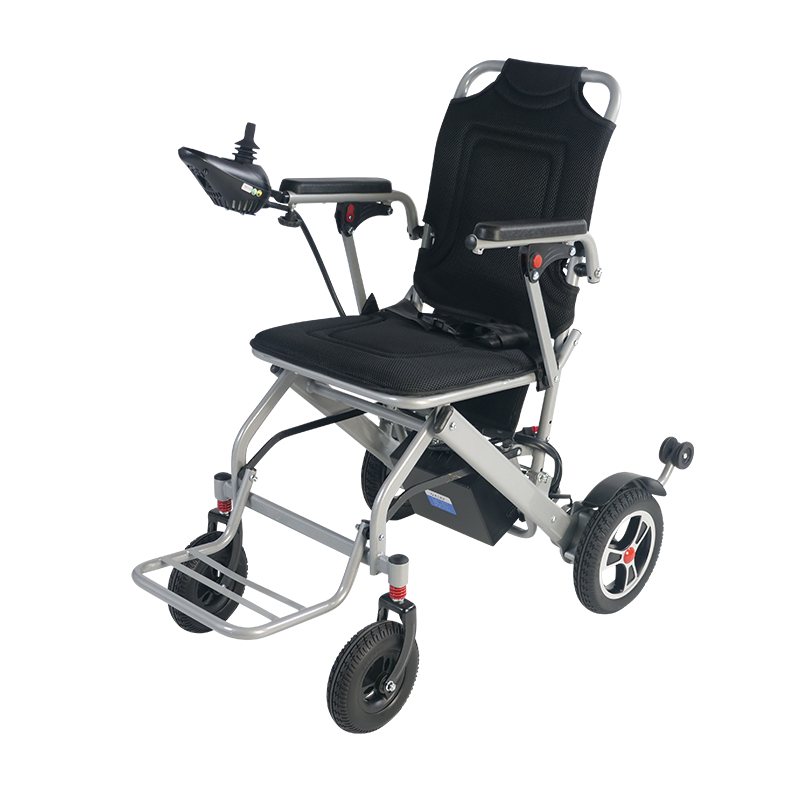
Modern electric wheelchairs come equipped with a range of features designed to enhance user experience and comfort. Here are some essential components:
- **Ergonomic Design**: Many electric wheelchairs boast adjustable seating and backrests that conform to the user’s body, providing optimal support and comfort during long periods of use.
- **Advanced Controls**: User-friendly joystick controls allow for precise navigation, making it easier for individuals to maneuver in tight spaces or crowded areas.
- **Safety Features**: Electric wheelchairs often include anti-tip mechanisms, seat belts, and automatic braking systems that enhance user safety.
- **Battery Life and Efficiency**: Long-lasting batteries enable users to travel considerable distances without the fear of running out of power, making them ideal for both indoor and outdoor use.
These features ensure that electric wheelchairs are not only functional but also cater to the diverse needs of users in rehabilitation.
4. Benefits of Using Electric Wheelchairs for Rehabilitation
The integration of electric wheelchairs into rehabilitation programs offers numerous benefits:
- **Enhanced Mobility and Autonomy**: Users can navigate their environment without assistance, increasing their sense of independence.
- **Psychological Well-being**: Gaining mobility can significantly impact a patient's mental health, reducing feelings of helplessness and depression.
- **Reduced Physical Strain**: For caregivers, electric wheelchairs lessen the physical demands of assisting patients, allowing for a more sustainable caregiving approach.
- **Improved Rehabilitation Outcomes**: Studies have shown that patients who use electric wheelchairs are more likely to engage in physical activity, which is crucial for recovery.
By providing these benefits, electric wheelchairs support not only the physical aspect of rehabilitation but also the emotional and psychological needs of patients.
5. Types of Electric Wheelchairs Available
Choosing the right electric wheelchair is essential for maximizing its benefits in rehabilitation. Here are some types available on the market:
- **Standard Electric Wheelchairs**: Ideal for indoor use, they are lightweight and easy to maneuver.
- **Heavy-Duty Electric Wheelchairs**: Designed for users who require additional support or have larger body types, these wheelchairs are built to handle more weight and provide extra stability.
- **Portable Electric Wheelchairs**: These models are foldable and designed for travel, making them convenient for patients on the go.
- **All-Terrain Electric Wheelchairs**: Equipped with robust wheels and powerful motors, these are perfect for outdoor use, allowing users to navigate rough surfaces with ease.
Understanding the different types can help users and caregivers make informed decisions tailored to individual needs.
6. How Electric Wheelchairs Facilitate Independence
Electric wheelchairs empower users by fostering independence in daily activities. Factors contributing to this independence include:
- **Ease of Operation**: With intuitive controls, users can quickly learn to operate electric wheelchairs, enabling them to perform tasks without assistance.
- **Versatility**: Electric wheelchairs can be used in various settings, from home to social gatherings, allowing users to maintain an active lifestyle.
- **Personalized Configurations**: Many electric wheelchairs can be customized to fit the user's specific needs, ensuring comfort and usability.
This independence is crucial for rehabilitation, as it encourages individuals to take an active role in their recovery.
7. Considerations for Choosing the Right Electric Wheelchair
Selecting the appropriate electric wheelchair involves various considerations to ensure it meets the user’s needs effectively:
- **User Weight and Size**: Understanding weight limits and seat dimensions is critical to finding a suitable model.
- **Terrain Compatibility**: Consider where the wheelchair will primarily be used—indoors, outdoors, or both.
- **Budget Constraints**: Electric wheelchairs come in various price ranges, so it is important to balance features with affordability.
- **Warranty and Service Plans**: Look for models that offer comprehensive warranties and customer service support.
By taking these factors into account, users can choose an electric wheelchair that aligns well with their lifestyle and rehabilitation goals.
8. Frequently Asked Questions (FAQs)
**Q1: How long does the battery last on an electric wheelchair?**
A1: Battery life varies by model, but most electric wheelchairs can last between 10 to 20 miles on a single charge, depending on usage and terrain.
**Q2: Are electric wheelchairs covered by insurance?**
A2: Many insurance plans, including Medicare, may cover electric wheelchairs if deemed medically necessary. It is best to verify with your insurance provider.
**Q3: Can electric wheelchairs be used outdoors?**
A3: Yes, many electric wheelchairs are designed for outdoor use, especially all-terrain models that can handle rough surfaces.
**Q4: What maintenance do electric wheelchairs require?**
A4: Regular checks of the battery, wheels, and controls are essential to ensure safety and functionality. It's advisable to follow the manufacturer's guidelines for maintenance.
**Q5: Can I customize my electric wheelchair?**
A5: Many manufacturers offer customization options, such as adjustable seating, additional support features, and accessories tailored to individual needs.
9. Conclusion
Electric wheelchairs are revolutionizing clinical rehabilitation by providing patients with greater independence, mobility, and overall quality of life. With a variety of models and features tailored to meet diverse needs, these innovative devices serve as essential tools in recovery settings. By understanding their benefits and how to choose the right model, healthcare providers and patients can work together to enhance rehabilitation outcomes. Electric wheelchairs not only facilitate movement but also empower individuals to reclaim their lives, fostering a sense of autonomy and well-being that is crucial for effective rehabilitation.
TAG:
PREVIOUS:


Tel/WhatsApp
E-mail: ceo@kaishangmedical.com
Phone: +86-15031821611
Add: Jizhou District, Hengshui City,Hebei Province, China
Request Quote
Get a free quote