

Hengshui Kaishang Medical Equipment Co., Ltd.
Understanding Manual Medical Beds: Essential Insights for Healthcare Facilities
Manual medical beds are specifically designed to provide patients with comfort and support during their stay in healthcare facilities. Unlike electric beds, manual medical beds rely on mechanical adjustments, allowing caregivers to modify the position of the bed using hand-operated levers or cranks. This design makes them an essential piece of equipment in various settings, including hospitals, nu
Apr 05,2026


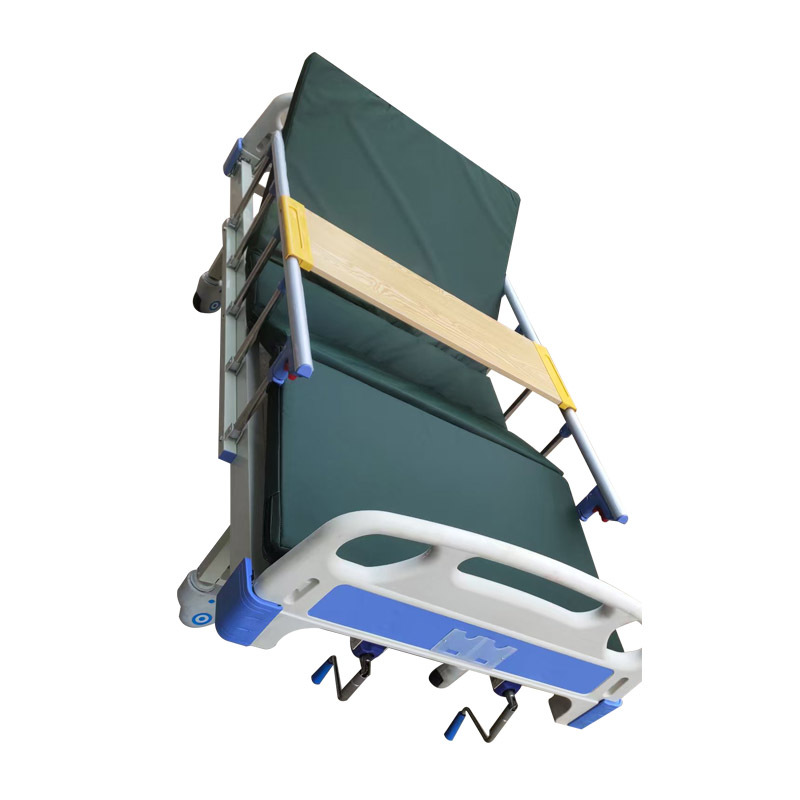
Manual medical beds are specifically designed to provide patients with comfort and support during their stay in healthcare facilities. Unlike electric beds, manual medical beds rely on mechanical adjustments, allowing caregivers to modify the position of the bed using hand-operated levers or cranks. This design makes them an essential piece of equipment in various settings, including hospitals, nursing homes, and home care environments.
One of the primary benefits of manual medical beds is their simplicity and ease of use. Caregivers can quickly adjust the bed’s height, head, and foot sections to accommodate patients' needs with minimal training. This is particularly advantageous in emergency situations where quick adjustments can enhance patient comfort and safety. Moreover, manual beds are often more cost-effective than their electric counterparts, making them a practical choice for facilities working within budget constraints.
Additionally, manual medical beds are typically lighter and easier to maneuver, which is a significant advantage in busy healthcare environments. They can be easily transported from one room to another, facilitating patient transfers and optimizing space utilization in hospitals and clinics. Furthermore, manual medical beds are often designed with durability in mind, ensuring they can withstand the rigors of constant use over time.
Another critical aspect of manual medical beds is their contribution to patient safety. Many models are equipped with side rails to prevent falls, which is particularly important for patients who may experience disorientation or mobility issues. These beds can also be adjusted to various positions to assist patients with mobility challenges, making it easier for them to get in and out of bed independently or with minimal assistance.
When choosing a manual medical bed, healthcare facilities should consider factors such as ease of adjustment, weight capacity, and compatibility with other healthcare equipment. Additionally, understanding the specific needs of the patient population is crucial; for example, beds with adjustable height settings may be necessary for specific patient demographics or conditions.
In summary, manual medical beds play a vital role in healthcare settings by providing comfort, safety, and ease of use for both patients and caregivers. Their mechanical adjustments, affordability, and durability make them an indispensable asset in promoting effective patient care. As healthcare continues to evolve, investing in appropriate medical bed solutions will remain paramount in enhancing patient outcomes and supporting the vital work of healthcare professionals.
One of the primary benefits of manual medical beds is their simplicity and ease of use. Caregivers can quickly adjust the bed’s height, head, and foot sections to accommodate patients' needs with minimal training. This is particularly advantageous in emergency situations where quick adjustments can enhance patient comfort and safety. Moreover, manual beds are often more cost-effective than their electric counterparts, making them a practical choice for facilities working within budget constraints.
Additionally, manual medical beds are typically lighter and easier to maneuver, which is a significant advantage in busy healthcare environments. They can be easily transported from one room to another, facilitating patient transfers and optimizing space utilization in hospitals and clinics. Furthermore, manual medical beds are often designed with durability in mind, ensuring they can withstand the rigors of constant use over time.
Another critical aspect of manual medical beds is their contribution to patient safety. Many models are equipped with side rails to prevent falls, which is particularly important for patients who may experience disorientation or mobility issues. These beds can also be adjusted to various positions to assist patients with mobility challenges, making it easier for them to get in and out of bed independently or with minimal assistance.
When choosing a manual medical bed, healthcare facilities should consider factors such as ease of adjustment, weight capacity, and compatibility with other healthcare equipment. Additionally, understanding the specific needs of the patient population is crucial; for example, beds with adjustable height settings may be necessary for specific patient demographics or conditions.
In summary, manual medical beds play a vital role in healthcare settings by providing comfort, safety, and ease of use for both patients and caregivers. Their mechanical adjustments, affordability, and durability make them an indispensable asset in promoting effective patient care. As healthcare continues to evolve, investing in appropriate medical bed solutions will remain paramount in enhancing patient outcomes and supporting the vital work of healthcare professionals.
TAG:
PREVIOUS:


Tel/WhatsApp
E-mail: ceo@kaishangmedical.com
Phone: +86-15031821611
Add: Jizhou District, Hengshui City,Hebei Province, China
Request Quote
Get a free quote