

Hengshui Kaishang Medical Equipment Co., Ltd.
Enhancing Patient Comfort: The Benefits of Manual Medical Beds in Healthcare
In the healthcare industry, the importance of patient comfort and care cannot be overstated. One essential piece of equipment that plays a pivotal role in achieving this is the manual medical bed. These beds are designed specifically to meet the unique needs of patients, providing versatility and ease of use in a clinical setting. This article will explore the advantages and technical consideratio
Jun 07,2026


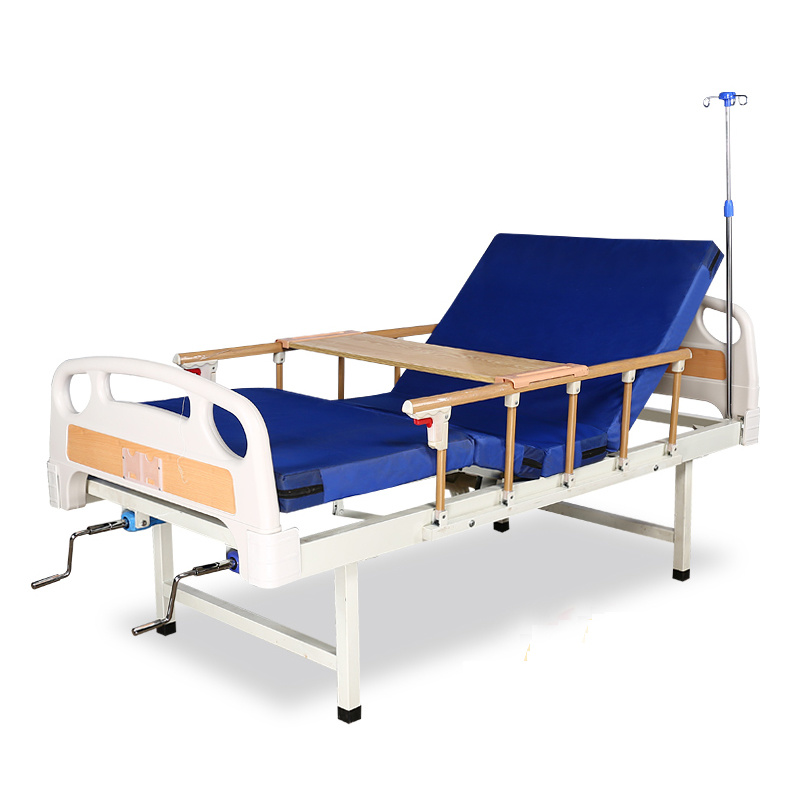
In the healthcare industry, the importance of patient comfort and care cannot be overstated. One essential piece of equipment that plays a pivotal role in achieving this is the manual medical bed. These beds are designed specifically to meet the unique needs of patients, providing versatility and ease of use in a clinical setting. This article will explore the advantages and technical considerations associated with manual medical beds for patient care, equipping healthcare professionals with valuable insights to enhance their practice.
Manual medical beds are particularly beneficial for environments where patient mobility and comfort are paramount. Unlike electric beds, which require a power source and can be more complex to operate, manual beds allow caregivers to adjust the bed's height and positioning using simple, mechanical levers. This feature can be incredibly advantageous in situations where power supply is unreliable or when caregivers need to have full control over bed adjustments without relying on technology.
One of the key benefits of manual medical beds is their cost-effectiveness. They are generally more affordable than their electric counterparts, making them an attractive option for healthcare facilities operating on tight budgets. Additionally, manual beds are often easier to maintain and repair, as they have fewer electronic components that can malfunction. This reliability can lead to reduced downtime and improved patient care outcomes.
Moreover, manual medical beds are designed to cater to a variety of patient needs. They can be easily adjusted to accommodate different positions, such as sitting up for meals or lying flat for rest. This adjustability is crucial for ensuring that patients are comfortable and can participate in their own care, which can lead to better recovery times and overall satisfaction with their hospital experience.
Another significant advantage of manual beds is their versatility in handling diverse patient populations. Whether used in acute care settings, rehabilitation facilities, or long-term care homes, these beds can be adapted to support patients with varying levels of mobility and physical conditions. The ability to customize the settings allows healthcare providers to offer personalized care, which is increasingly recognized as a critical component of effective treatment.
Lastly, manual medical beds can enhance the efficiency of healthcare delivery. By enabling caregivers to make adjustments quickly and easily, these beds facilitate smoother transitions during patient care activities, such as examinations and physical therapy sessions. This efficiency not only improves the quality of care provided but also enhances the overall workflow within healthcare facilities.
In conclusion, manual medical beds represent a valuable asset in patient care. Their ease of use, cost-effectiveness, and adaptability make them an excellent choice for various healthcare environments. By investing in manual medical beds, healthcare providers can enhance patient comfort, support diverse needs, and ultimately improve the quality of care delivered.
Manual medical beds are particularly beneficial for environments where patient mobility and comfort are paramount. Unlike electric beds, which require a power source and can be more complex to operate, manual beds allow caregivers to adjust the bed's height and positioning using simple, mechanical levers. This feature can be incredibly advantageous in situations where power supply is unreliable or when caregivers need to have full control over bed adjustments without relying on technology.
One of the key benefits of manual medical beds is their cost-effectiveness. They are generally more affordable than their electric counterparts, making them an attractive option for healthcare facilities operating on tight budgets. Additionally, manual beds are often easier to maintain and repair, as they have fewer electronic components that can malfunction. This reliability can lead to reduced downtime and improved patient care outcomes.
Moreover, manual medical beds are designed to cater to a variety of patient needs. They can be easily adjusted to accommodate different positions, such as sitting up for meals or lying flat for rest. This adjustability is crucial for ensuring that patients are comfortable and can participate in their own care, which can lead to better recovery times and overall satisfaction with their hospital experience.
Another significant advantage of manual beds is their versatility in handling diverse patient populations. Whether used in acute care settings, rehabilitation facilities, or long-term care homes, these beds can be adapted to support patients with varying levels of mobility and physical conditions. The ability to customize the settings allows healthcare providers to offer personalized care, which is increasingly recognized as a critical component of effective treatment.
Lastly, manual medical beds can enhance the efficiency of healthcare delivery. By enabling caregivers to make adjustments quickly and easily, these beds facilitate smoother transitions during patient care activities, such as examinations and physical therapy sessions. This efficiency not only improves the quality of care provided but also enhances the overall workflow within healthcare facilities.
In conclusion, manual medical beds represent a valuable asset in patient care. Their ease of use, cost-effectiveness, and adaptability make them an excellent choice for various healthcare environments. By investing in manual medical beds, healthcare providers can enhance patient comfort, support diverse needs, and ultimately improve the quality of care delivered.
TAG:
PREVIOUS:


Tel/WhatsApp
E-mail: ceo@kaishangmedical.com
Phone: +86-15031821611
Add: Jizhou District, Hengshui City,Hebei Province, China
Request Quote
Get a free quote