

Hengshui Kaishang Medical Equipment Co., Ltd.
The Essential Guide to Manual Wheelchairs for Patient Mobility
Manual wheelchairs are an invaluable mobility solution for those who may have difficulty walking due to injury, illness, or disability. Designed to provide independence and improved quality of life, a manual wheelchair can facilitate easier movement for patients, caregivers, and family members. Understanding the basic components and functionality of these wheelchairs can help users make informed d
Jun 05,2026


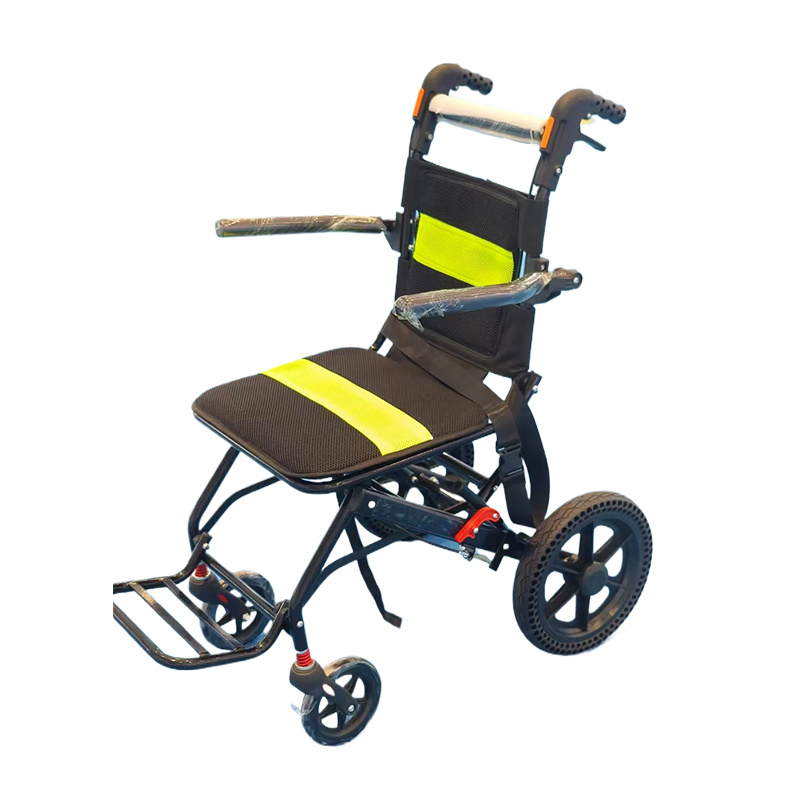
Manual wheelchairs are an invaluable mobility solution for those who may have difficulty walking due to injury, illness, or disability. Designed to provide independence and improved quality of life, a manual wheelchair can facilitate easier movement for patients, caregivers, and family members. Understanding the basic components and functionality of these wheelchairs can help users make informed decisions about their mobility needs.
One of the primary benefits of manual wheelchairs is their lightweight design. Typically constructed from materials such as aluminum or steel, these chairs are easy to maneuver and transport. This is particularly important for patients who may need assistance from caregivers or family members. By utilizing a manual wheelchair, users can actively participate in their daily activities, fostering a sense of autonomy and dignity.
When considering a manual wheelchair for patient mobility, it’s crucial to pay attention to essential features. The seat width, height, and depth should accommodate the user comfortably, while the chair's overall design should offer adequate support. Many manual wheelchairs come equipped with removable armrests, adjustable footrests, and reclining options, allowing for customization based on individual needs.
Another important aspect of manual wheelchairs is their potential for physical exercise. While they are designed for mobility, using a manual wheelchair involves upper body strength and can contribute to improved muscle tone and stamina. Patients who are able to propel themselves can engage in light exercise, which can enhance overall health and wellness.
Safety is also paramount when using manual wheelchairs. Users and caregivers should always ensure that the brakes are engaged when transferring in and out of the chair. Additionally, it’s important to remain mindful of the surrounding environment to avoid obstacles and potential hazards. Educating users on proper techniques for navigating slopes, curbs, and uneven surfaces can further enhance safety and mobility.
In conclusion, manual wheelchairs are a vital resource for patients seeking to regain their mobility and independence. With various options available, it’s essential to consider an individual’s specific needs when selecting a wheelchair. By understanding the features, benefits, and safety practices associated with manual wheelchairs, users can maximize their mobility and improve their quality of life. Whether for short distances or extended outings, a manual wheelchair can play a significant role in empowering individuals and enhancing their daily experiences.
One of the primary benefits of manual wheelchairs is their lightweight design. Typically constructed from materials such as aluminum or steel, these chairs are easy to maneuver and transport. This is particularly important for patients who may need assistance from caregivers or family members. By utilizing a manual wheelchair, users can actively participate in their daily activities, fostering a sense of autonomy and dignity.
When considering a manual wheelchair for patient mobility, it’s crucial to pay attention to essential features. The seat width, height, and depth should accommodate the user comfortably, while the chair's overall design should offer adequate support. Many manual wheelchairs come equipped with removable armrests, adjustable footrests, and reclining options, allowing for customization based on individual needs.
Another important aspect of manual wheelchairs is their potential for physical exercise. While they are designed for mobility, using a manual wheelchair involves upper body strength and can contribute to improved muscle tone and stamina. Patients who are able to propel themselves can engage in light exercise, which can enhance overall health and wellness.
Safety is also paramount when using manual wheelchairs. Users and caregivers should always ensure that the brakes are engaged when transferring in and out of the chair. Additionally, it’s important to remain mindful of the surrounding environment to avoid obstacles and potential hazards. Educating users on proper techniques for navigating slopes, curbs, and uneven surfaces can further enhance safety and mobility.
In conclusion, manual wheelchairs are a vital resource for patients seeking to regain their mobility and independence. With various options available, it’s essential to consider an individual’s specific needs when selecting a wheelchair. By understanding the features, benefits, and safety practices associated with manual wheelchairs, users can maximize their mobility and improve their quality of life. Whether for short distances or extended outings, a manual wheelchair can play a significant role in empowering individuals and enhancing their daily experiences.
TAG:
PREVIOUS:


Tel/WhatsApp
E-mail: ceo@kaishangmedical.com
Phone: +86-15031821611
Add: Jizhou District, Hengshui City,Hebei Province, China
Request Quote
Get a free quote