

Hengshui Kaishang Medical Equipment Co., Ltd.
A Comprehensive Guide to Manual Wheelchairs: Enhancing Mobility and Independence
Manual wheelchairs are vital tools that provide mobility for individuals with disabilities or limited mobility due to various health conditions. Unlike powered wheelchairs, manual wheelchairs rely on the user or an assistant to propel them, offering a unique set of advantages and considerations.
One of the primary benefits of manual wheelchairs is their lightweight design. Many models are construc
Apr 11,2026


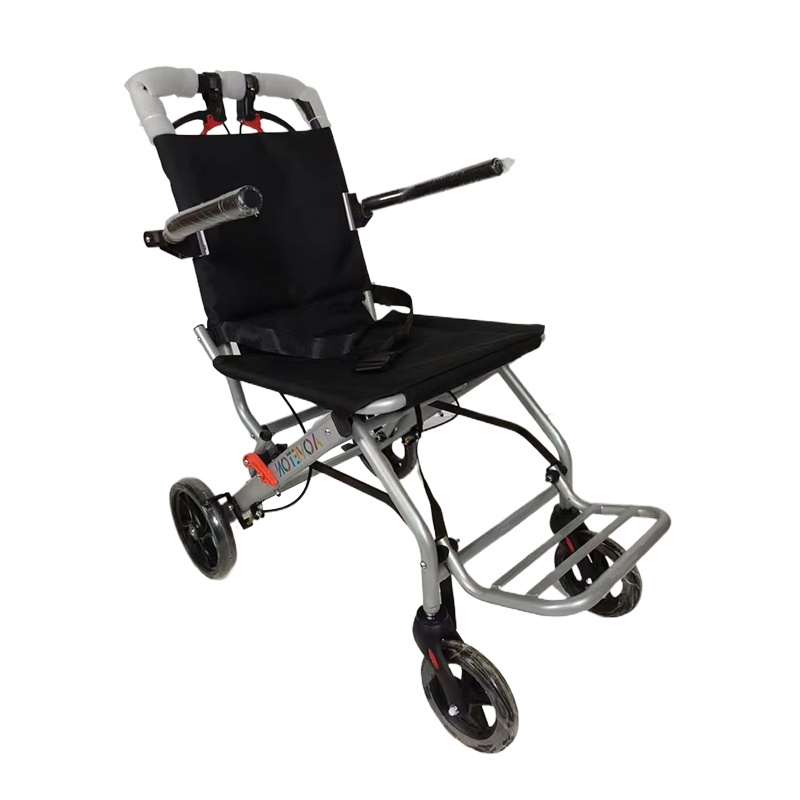
Manual wheelchairs are vital tools that provide mobility for individuals with disabilities or limited mobility due to various health conditions. Unlike powered wheelchairs, manual wheelchairs rely on the user or an assistant to propel them, offering a unique set of advantages and considerations.
One of the primary benefits of manual wheelchairs is their lightweight design. Many models are constructed from materials such as aluminum or carbon fiber, which not only reduce the overall weight but also enhance maneuverability. This is particularly beneficial for users who may need to navigate narrow spaces or uneven terrain. Additionally, the simplicity of manual wheelchairs means they often require less maintenance than their powered counterparts. Users can easily learn to perform basic upkeep, which can be cost-effective and empowering.
When choosing a manual wheelchair, several key factors should be considered. The first is fit and comfort. A well-fitted wheelchair ensures that the user can maintain proper posture, which is crucial for preventing pressure sores and other complications. Adjustable features such as seat height, backrest angle, and armrest height can significantly enhance comfort, allowing users to customize their wheelchair to meet their specific needs.
Another important consideration is the type of wheels. Manual wheelchairs can come with either solid or pneumatic tires. While solid tires are puncture-proof and require less maintenance, pneumatic tires offer better shock absorption and a smoother ride. The choice between these options will depend on the user’s lifestyle and the environment in which the wheelchair will be used most frequently.
Furthermore, the ease of transport is a critical aspect of manual wheelchairs. Many models are designed with folding frames, allowing for easier storage and transport in vehicles. This portability can greatly enhance a user’s ability to participate in social activities and outings.
Safety features are also paramount. Many manual wheelchairs come equipped with anti-tippers, footrests, and secure braking systems, which contribute to the overall safety of the user. It’s essential to ensure that the wheelchair meets safety standards and that users are educated on how to use these features effectively.
In summary, manual wheelchairs are more than just mobility devices; they are enablers of independence and quality of life. By understanding the various aspects of manual wheelchairs, users and healthcare professionals can work together to choose the right model, ensuring that users stay active and engaged in their daily lives. Emphasizing the importance of proper fit, comfort, and safety can lead to an enhanced experience, making manual wheelchairs a vital part of rehabilitation and mobility support.
One of the primary benefits of manual wheelchairs is their lightweight design. Many models are constructed from materials such as aluminum or carbon fiber, which not only reduce the overall weight but also enhance maneuverability. This is particularly beneficial for users who may need to navigate narrow spaces or uneven terrain. Additionally, the simplicity of manual wheelchairs means they often require less maintenance than their powered counterparts. Users can easily learn to perform basic upkeep, which can be cost-effective and empowering.
When choosing a manual wheelchair, several key factors should be considered. The first is fit and comfort. A well-fitted wheelchair ensures that the user can maintain proper posture, which is crucial for preventing pressure sores and other complications. Adjustable features such as seat height, backrest angle, and armrest height can significantly enhance comfort, allowing users to customize their wheelchair to meet their specific needs.
Another important consideration is the type of wheels. Manual wheelchairs can come with either solid or pneumatic tires. While solid tires are puncture-proof and require less maintenance, pneumatic tires offer better shock absorption and a smoother ride. The choice between these options will depend on the user’s lifestyle and the environment in which the wheelchair will be used most frequently.
Furthermore, the ease of transport is a critical aspect of manual wheelchairs. Many models are designed with folding frames, allowing for easier storage and transport in vehicles. This portability can greatly enhance a user’s ability to participate in social activities and outings.
Safety features are also paramount. Many manual wheelchairs come equipped with anti-tippers, footrests, and secure braking systems, which contribute to the overall safety of the user. It’s essential to ensure that the wheelchair meets safety standards and that users are educated on how to use these features effectively.
In summary, manual wheelchairs are more than just mobility devices; they are enablers of independence and quality of life. By understanding the various aspects of manual wheelchairs, users and healthcare professionals can work together to choose the right model, ensuring that users stay active and engaged in their daily lives. Emphasizing the importance of proper fit, comfort, and safety can lead to an enhanced experience, making manual wheelchairs a vital part of rehabilitation and mobility support.
TAG:
PREVIOUS:


Tel/WhatsApp
E-mail: ceo@kaishangmedical.com
Phone: +86-15031821611
Add: Jizhou District, Hengshui City,Hebei Province, China
Request Quote
Get a free quote