

Hengshui Kaishang Medical Equipment Co., Ltd.
The Essential Guide to Manual Wheelchairs: Empowering Mobility and Independence
Manual wheelchairs are crucial tools for individuals who experience mobility limitations, providing them with the ability to navigate their environments independently. Understanding the features, benefits, and proper usage of manual wheelchairs can empower users and caregivers to make informed decisions that enhance quality of life.
One of the primary advantages of manual wheelchairs is their ligh
Apr 03,2026


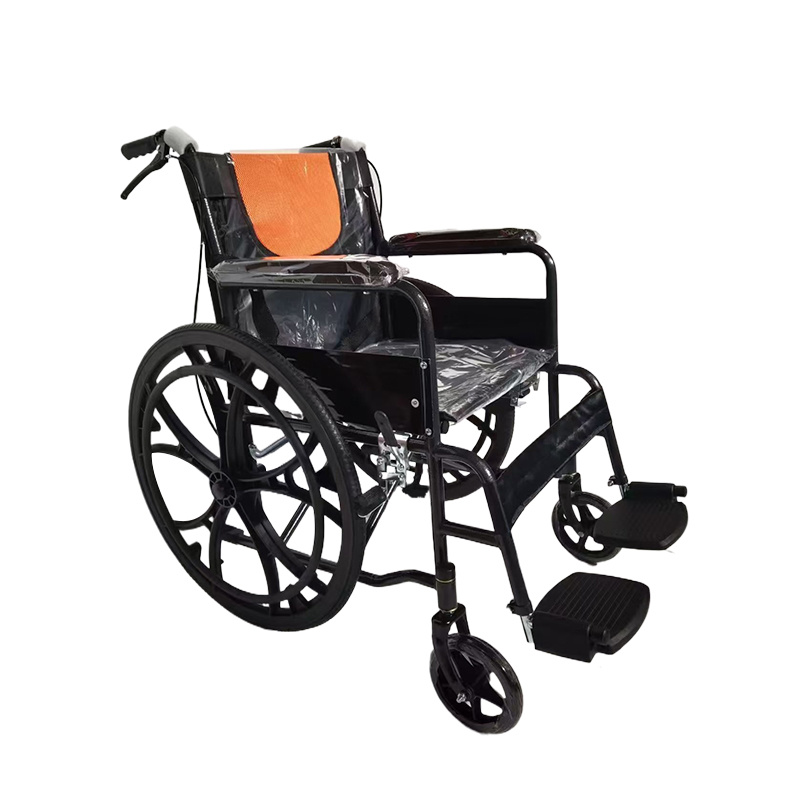
Manual wheelchairs are crucial tools for individuals who experience mobility limitations, providing them with the ability to navigate their environments independently. Understanding the features, benefits, and proper usage of manual wheelchairs can empower users and caregivers to make informed decisions that enhance quality of life.
One of the primary advantages of manual wheelchairs is their lightweight and compact design, which allows for easier maneuverability and transport. Unlike powered wheelchairs, manual versions can be propelled by the user themselves or by a caregiver, fostering a sense of independence. This aspect can be particularly beneficial for those who have sufficient upper body strength, as it encourages physical activity and engagement.
When selecting a manual wheelchair, several key factors come into play. The first consideration is the size and fit of the wheelchair. It's essential to choose a model that accommodates the user’s body dimensions, ensuring comfort and stability. Many manual wheelchairs come with adjustable features, such as seat height and armrest positioning, allowing for personalized adjustments.
Another important aspect to consider is the wheelchair's weight capacity and durability. Wheelchairs are often constructed from materials like aluminum or steel, with each material offering distinct benefits. Aluminum frames tend to be lighter, facilitating easier transport, while steel frames often provide greater durability. Users should assess their specific needs, including weight limits, prior to making a selection.
Additionally, the wheels and tires of a manual wheelchair play a significant role in its performance. Larger rear wheels are advantageous for outdoor use, providing better navigation over rough terrain, while smaller wheels may be preferable for indoor settings. Users should consider the intended environments where the wheelchair will be used to determine the appropriate wheel size and type.
Safety features should also be on the checklist when choosing a manual wheelchair. Look for models equipped with anti-tip wheels and secure braking systems to minimize the risk of accidents. Many modern manual wheelchairs also offer optional accessories, such as seat cushions for added comfort and back support, making the user experience more pleasant.
Moreover, ongoing maintenance is essential to ensure the longevity and performance of a manual wheelchair. Regular checks of the wheels, brakes, and other components can prevent malfunctions and enhance safety.
In conclusion, manual wheelchairs serve as vital mobility aids that foster independence and improve the quality of life for individuals with mobility challenges. By considering factors such as size, weight, durability, wheel type, safety features, and maintenance, users and caregivers can make informed choices that best meet their specific needs. Embracing the right manual wheelchair can lead to greater freedom and mobility, empowering individuals to navigate their world with confidence.
One of the primary advantages of manual wheelchairs is their lightweight and compact design, which allows for easier maneuverability and transport. Unlike powered wheelchairs, manual versions can be propelled by the user themselves or by a caregiver, fostering a sense of independence. This aspect can be particularly beneficial for those who have sufficient upper body strength, as it encourages physical activity and engagement.
When selecting a manual wheelchair, several key factors come into play. The first consideration is the size and fit of the wheelchair. It's essential to choose a model that accommodates the user’s body dimensions, ensuring comfort and stability. Many manual wheelchairs come with adjustable features, such as seat height and armrest positioning, allowing for personalized adjustments.
Another important aspect to consider is the wheelchair's weight capacity and durability. Wheelchairs are often constructed from materials like aluminum or steel, with each material offering distinct benefits. Aluminum frames tend to be lighter, facilitating easier transport, while steel frames often provide greater durability. Users should assess their specific needs, including weight limits, prior to making a selection.
Additionally, the wheels and tires of a manual wheelchair play a significant role in its performance. Larger rear wheels are advantageous for outdoor use, providing better navigation over rough terrain, while smaller wheels may be preferable for indoor settings. Users should consider the intended environments where the wheelchair will be used to determine the appropriate wheel size and type.
Safety features should also be on the checklist when choosing a manual wheelchair. Look for models equipped with anti-tip wheels and secure braking systems to minimize the risk of accidents. Many modern manual wheelchairs also offer optional accessories, such as seat cushions for added comfort and back support, making the user experience more pleasant.
Moreover, ongoing maintenance is essential to ensure the longevity and performance of a manual wheelchair. Regular checks of the wheels, brakes, and other components can prevent malfunctions and enhance safety.
In conclusion, manual wheelchairs serve as vital mobility aids that foster independence and improve the quality of life for individuals with mobility challenges. By considering factors such as size, weight, durability, wheel type, safety features, and maintenance, users and caregivers can make informed choices that best meet their specific needs. Embracing the right manual wheelchair can lead to greater freedom and mobility, empowering individuals to navigate their world with confidence.
TAG:


Tel/WhatsApp
E-mail: ceo@kaishangmedical.com
Phone: +86-15031821611
Add: Jizhou District, Hengshui City,Hebei Province, China
Request Quote
Get a free quote